Tap water in more than 30 communities across the country has dangerously high levels of PFAS.Flickr / HereStanding
A class of industrially produced chemicals called PFAS are found in many products, including cosmetics, fire-retardant foams, and food packaging.
Almost everyone in the industrialized world has some of these so-called "forever chemicals" in their blood.
But scientific evidence suggests they may also be linked with cancer and other serious health issues.
More than 30 communities across the US have water sources that are contaminated with dangerously high levels of PFAS chemicals.
In the US, consumers usually assume that the water coming out of our taps has been thoroughly tested and is safe to drink.
But residents in more than 30 communities around the country have found out that's not the case.
In states including Colorado, Michigan, Pennsylvania, New York, and North Carolina, local water systems have been contaminated with toxic chemicals called PFAS, which stands for perfluoroalkyl and polyfluoroalkyl substances.
This class of artificial lab-grown chemicals doesn't break down in the environment, and instead remains intact in water, air, and bodies for thousands of years, according to the Associated Press. For that reason, they've become known as "forever chemicals."
PFAS can both be attracted to and repelled by water — two opposite tasks — which makes them a unique class of industrially useful chemicals. The compounds are found in everyday items like cosmetics, non-stick pans, firefighting foams, and products such as Teflon and Scotchgard. PFAS can even turn up in some food packaging, like pizza boxes and microwave-popcorn bags.
But PFAS concentrations can build up quickly in the environment, and people or animals who consume too much of these chemicals can suffer potentially life-threatening consequences.
What PFAS chemicals can do to your body
One common way we come into contact with PFAS is when they end up in the water supply. Waste that's dumped from chemical manufacturing plants can contaminate groundwater, or PFAS can enter lakes and other freshwater sources after firefighting foam gets used.
In humans, the buildup of PFAS chemicals has been linked to a host of health conditions, including:
The International Agency for Research on Cancer (IARC) and the US Environmental Protection Agency (EPA) both think PFAS may also be cancer-causing, since [people with higher-than-average exposures to the chemicals have increased rates of testicular and kidney cancers. But that link hasn't been demonstrated for sure.
According to the EPA, people shouldn't be exposed to a concentration of PFAS higher than 70 parts per trillion (ppt). But a draft report from the US Department of Health and Human Services suggests that threshold may be far too high. Other states put the safe drinking threshold much lower when they test for the five most ubiquitous PFAS chemicals.
"If your water has been tested and the total sum of the five PFAS is more than 20 ppt, we recommend not using your water for drinking, food preparation, cooking, brushing teeth, preparing baby formula, or any other manner of ingestion," Vermont's state health website advises. The contaminated water shouldn't even be used to quench your garden, it says, because the PFAS could be absorbed into vegetables you eat.
A cross-country water crisis
Eight big companies, including 3M and DuPont, phased out the chemicals from their products and plants in 2015.
But much of the damage has already been done. It can take upwards of two to nine years for concentrations of these chemicals in your body to be cut in half. Some just never go away.
3M, one of the first companies to use PFAS chemicals, settled an eight-year-long lawsuit with the State of Minnesota earlier this year for $850 million. The state alleged the company knew it was dumping toxic chemicals into waters around the Twin Cities for decades, but hid and distorted the scientific evidence from regulators.
Lauren Woehr hands her 16-month-old daughter Caroline a cup filled with bottled water at their home in Horsham, Pennsylvania, where levels of PFAS in the taps have been too high. AP Photo/Matt Rourke
In July, Michigan declared a state of emergency in Kalamazoo County because PFAS levels in the water supplies in Parchment and Cooper Townships were 20 times higher than what the EPA considers safe. That's one of 34 spots across that state where PFAS levels were shown to be too high.
But everyone has at least some in their system. Researchers from Harvard estimated in 2016 that at least 6 million Americans — nearly 2% of the population — were drinking water with PFAS levels higher than what the EPA recommends.
As one study put it earlier this month in the journal Environmental Research, "although use in the US has been phased out, PFOA persists indefinitely in the environment, and is present in the serum of virtually all people in industrialized countries."
Plus, PFAS chemicals are still in use in other places around the world, and can be imported in many products, including carpets, coatings, rubbers, plastics, and fabrics.
What you can do
Tap water in major cities is generally well tested. But if you're worried, check out the EPA's annual drinking water report. Mario Tama/Getty Images
To hear directly from people whose drinking waters have been contaminated with PFAS, the EPA embarked on a cross-country listening tour this summer. Agency representatives have stopped in New Hampshire, Pennsylvania, Colorado, and North Carolina to learn about how to help local utilities manage and clean up toxic water.
At one such hearing in Warminster, Pennsylvania in July, water and sewer manager Tim Hagey told the Associated Press that he used to assure people that drinking his town's water was worry-free. But no more.
"You all made me out to be a liar," Hagey reportedly told Environmental Protection Agency officials.
The most recent meeting was held Tuesday in Fayetteville, North Carolina.
US Environmental Protection Agency officials at a meeting in Horsham, Pennsylvania last month. EPA testing between 2013 and 2015 found significant amounts of PFAS in public water supplies in 33 U.S. states, including here. AP Photo/Matt Rourke
Scientists who study the concentrations of PFAS in our blood agree that it's almost impossible to avoid exposure to the toxic chemicals.
In the hopes of lowering PFAS concentrations, some cities have started using activated charcoal filtration systems and reverse osmosis. Others may shift where the municipal water is sourced from.
But it's hard to rid water of PFAS, and you can't boil the chemicals away. Bottled water may not be any better, since it's much less regulated than tap water and isn't required to be tested for PFAS.
Mounting research drives home the importance of animal-based omega-3 fats for heart health. After reviewing this topic carefully, I am convinced that maintaining a healthy level of docosahexaenoic acid (DHA) may be one of the most important food priorities.
DHA and eicosapentaenoic acid (EPA) are long-chained omega-3 fats (22 and 20 carbons respectively) found in fatty fish like wild-caught Alaskan salmon, sardines, anchovies and certain other sea creatures, including krill. The featured video by AkerBioMarine is part of a campaign to raise awareness about the importance of measuring your omega-3 level. Indeed, along with vitamin D, I believe measuring your omega-3 level is a truly vital health test that should be done on an annual basis.
Like vitamin D, being deficient in omega-3 will leave you vulnerable to all sorts of chronic disease. Optimizing your omega-3 is a truly foundational component of good health. Unfortunately, many still do not even realize such a test exists. It does, but first, let's review why animal-based omega-3 fats are so important for health in the first place.
Plant- Versus Marine-Based Omega-3
Omega-3 fats can be obtained from both marine animal and plant sources, but they are not interchangeable. Alpha-linolenic acid (ALA), an 18-carbon omega-3 fat found in plants like flax and chia seed does not readily convert to DHA. Typically, just 1 to 3 percent of ALA is converted to DHA, which is nowhere near the amount you need for brain and heart health. Some studies have found the conversion rate to be as 0.1 to 0.5 percent.1
And, while plant-based omega-3 fats are important for health, the animal-based DHA is the one most strongly associated with heart health and other important health benefits. EPA and DHA are both considered "essential" fats as your body cannot make them from scratch, and hence you must get them from your diet. Omega-3 ALA on the other hand is quite ubiquitous in the diet and therefore there is no real need to supplement.
DHA and EPA Protect Your Heart Health
Research suggests eating fatty fish and other omega-3 rich foods may lower your risk of a fatal heart attack by 10 percent.2,3,4 Taken after a heart attack, omega-3 fats can also significantly improve your odds of survival. In one large trial, heart attack survivors who took 1 gram of omega-3 fat every day for three years had a 50 percent reduced chance of sudden cardiac death.5
As noted in the featured video, exercise is not enough to protect your heart. You also need to be mindful of your omega-3 level. Animal-based omega-3 fats, especially DHA, protect and support your cardiovascular health by:
Lowering blood pressure and counteracting or preventing cardiac arrhythmia
Improving endothelial function (which helps promote growth of new blood vessels)
Lowering triglyceride concentrations and preventing fatty deposits and fibrosis of the inner layer of your arteries
Helping prevent thrombosis (a blood clot within a blood vessel)
Counteracting inflammation
DHA and EPA are also important for digestion, muscle activity, blood clotting, visual acuity, memory and learning, basic cell division, function of cell receptors and more. Importantly, animal-based DHA and EPA:
Are structural elements, not just a source of energy. DHA is particularly vital, as it is a component of every cell in your body. There are specific transporters for long-chained omega-3s in your blood-brain barrier, the placenta (in pregnant women) and likely also in your liver, which transport these molecules in a very precise way into the cell membranes where they belong
Regulate communication within the cell and between cells
Play a role in helping your body properly utilize sunlight
Have a profoundly important influence on mitochondrial health
Get Tested Today
In terms of how much omega-3 fat you need, the best way to determine your required dose is to measure your omega-3 level with an omega-3 index test. This test has consistently been found to provide the most accurate measurement of the omega-3 level in your body. Ideally, your index should be above 8 percent. If you're below 8 percent, increase your omega-3 intake and retest until you find the dosage that allows you to reach and maintain an ideal level. Ideally, you'll want to wait three to six months between each test.
Rather than depending on recommended dosages, getting your level tested is really the only way to ensure sufficiency, because requirements for omega-3 will vary depending on your lifestyle; your intake of fatty fish, for example, and your level of physical activity. Athletes tend to burn off their omega-3 quite rapidly, as the DHA gets burned as fuel rather than being used as a structural component of their cell membranes. Hence, they will need higher dosages.
GrassrootsHealth has created a convenient and cost-effective combination test kit that measures both your vitamin D and omega-3 index. This third-party test kit is part of its consumer-sponsored research project. By gathering information on the population's vitamin D and omega-3 levels, we will better understand how these nutrients impact health. The data (which will not include any identifying personal information) will also allow researchers to study the links between these two nutrients.
Ideal Omega-3 Sources
Seafood is your best source of long-chained omega-3 fats. However, it's important to realize that not all fish contain these fats. Tilapia, for example, contains no EPA or DHA. The fish needs to be harvested from cold water, as this is where the fish richest in omega-3 fats are found. Some of your best options for clean fats are wild-caught Alaskan salmon, sardines and anchovies.
An excellent alternative, if you do not want to eat fatty fish, is to take a krill oil supplement. I firmly believe krill oil is superior to fish oil. Although both contain EPA and DHA, krill oil is bound to phospholipids, which allows the EPA and DHA to travel more efficiently through your bloodstream. Hence, it's more bioavailable.This means you need far less of it than fish oil, as confirmed by a 2011 study published in the journal Lipids.6
Researchers gave subjects less than 63 percent as much krill-based EPA/DHA as the fish oil group, yet both groups showed equivalent blood levels, meaning the krill was more potent. Phospholipids are also a principal compound in high-density lipoproteins (HDL), which you want more of, and by allowing your cells to maintain structural integrity, phospholipids help your cells function properly.
Meanwhile, fish oil is bound to triglycerides and ethyl esters, which must be broken down in your gut to its base fatty acids of DHA and EPA. Krill oil also contains natural astaxanthin, which prevents rancidity of these highly perishable oils. Regular fish oil does not contain this antioxidant, and is therefore far more prone to oxidation.
Not surprisingly, vegans will typically have half the omega-3 level of people who allow themselves some marine fats,7 and this can have serious health implications. If you're die-hard vegan and refuse to eat seafood, then algal oil, made from a specific strain of microalgae, is a vegan-friendly option.
Most recently, a 2014 scientific review8 concluded algal oil can be an effective alternative source of DHA for vegetarians and vegans, noting that many studies have found ALA from nut and seed oils are not converted to DHA at all, and therefore cannot be relied on. An earlier study, published in 2008, found that algal oil and oil from salmon appeared to be bioequivalent: 9
"We compared the nutritional availability of … DHA from algal-oil capsules to that from assayed cooked salmon in 32 healthy men and women, ages 20 to 65 years, in a randomized, open-label, parallel-group study. In this two-week study comparing 600 mg DHA/day from algal-oil capsules to that from assayed portions of cooked salmon, mean change from baseline in plasma phospholipids and erythrocyte DHA levels was analyzed and DHA levels were compared …
DHA levels increased by approximately 80 percent in plasma phospholipids and by approximately 25 percent in erythrocytes in both groups. Changes in DHA levels in plasma phospholipids and erythrocytes were similar between groups …
These results indicate that algal-oil DHA capsules and cooked salmon appear to be bioequivalent in providing DHA to plasma and red blood cells and, accordingly, that algal-oil DHA capsules represent a safe and convenient source of non-fish-derived DHA."
Omega-3 Requirements Increase During Pregnancy
There is no set recommended standard dose of omega-3 fats, but some health organizations recommend a daily dose of 250 to 500 mg of EPA and DHA for healthy adults. If you're pregnant or breast-feeding, your body will likely require additional omega-3. I know from experience that eating a can of sardines and salmon roe for a few months put my omega-3 Index at 10, which is very healthy.
The American Dietetic Association and Dietitians of Canada recommend pregnant and lactating women (along with all adults) consume at least 500 mg of omega-3s, including EPA and DHA, daily. The European Commission recommends pregnant and lactating women consume a minimum of 200 mg of DHA, in particular, per day.10 Again, if you're pregnant or planning a pregnancy, now is the time to get your level checked to make sure you're not deficient.
More than 90 percent of the omega-3 fat found in brain tissue is DHA, making it very important for your child's brain development. Studies have shown omega-3 fats lowers the risk for learning disorders, behavioral disorders,11,12,13ADHD,14autism and dyslexia.15 Omega-3s are also needed for proper eye development,16 and for the prevention of premature delivery. Low levels of DHA may increase the risk for a reduction in cognitive processing speed and poor eye hand coordination by age 4.17
Other Health Benefits of Animal-Based Omega-3
Aside from heart and brain health, omega-3 fats are also important for:
Healthy, strong bones, reducing your risk of osteoporosis18
Protecting against metabolic syndrome,24 including obesity, fatty liver,25 insulin resistance26 and Type 2 diabetes
Improving in premenstrual syndrome (PMS), dysmenorrhea27 and reducing menstrual pain28,29
Lowering your risk for neurological/cognitive dysfunction, including memory loss and brain aging
Reducing your risk of Crohn's disease
Reducing your risk of colon cancer.30 Colon cancer patients who consumed a minimum of 0.3 grams of omega-3 from fish each day also reduced their risk of dying over the next decade by 41 percent31
Building healthy muscle mass, including people suffering from cancer who may experience cachexia.32
In one study involving patients with advanced malignancy, those taking fish oil were able to gain weight. The length of time patients took the supplement was also a factor; the longer they took it, the better the results
Reducing your risk of autoimmune disorders such as lupus and nephropathy
Setting the Record Straight on Plant- and Marine-Based Omega-3s
To recap, it's important to realize that you cannot trade animal-based omega-3 for plant-based omega-3. Even if you take large amounts of plant-based omega-3 it simply will not provide you with the raw materials you need for a healthy body and brain. It doesn't work because your body cannot convert enough ALA into DHA and EPA.
So, if you're vegan, you simply must figure out a way to compensate for the lack of marine animal fats in your diet. Keep in mind that while studies suggest algae appears to be an effective alternative, the only way to verify this is to get your omega-3 level tested. Pregnant women are also urged to test their vitamin D and omega-3, as these two nutrients are vital for healthy fetal development and can rather dramatically reduce your risk of pregnancy and delivery complications.
I firmly believe an omega-3 index test is one of the most important annual health screens that everyone needs. Please note I make no revenue from these tests. I merely supply them as a convenience for my readers. It' the same price whether you buy it from me or directly from GrassrootsHealth.33
Omega-3 fats are essential polyunsaturated fats (PUFA) required for healthy digestion, muscle activity, blood clotting, visual acuity, memory and much more. Most omega-3s are considered "essential fats" as your body cannot make them. You have to get them from your diet. However, there's plenty of confusion when it comes to which omega-3 fats are required for optimal health.
You can obtain omega-3 fats from both plants and marine animals like fish and krill. However, these sources provide very different types of omega-3, and they are no way interchangeable.
Both plant- and animal-based omega-3 have their first double-bond in the third position — hence the name "omega-3." However, the length of the carbon chain of each omega-3 fat makes a significant difference when it comes to bioavailability and biological effect.
Basic Differences Between Plant- and Marine Animal-Based Omega-3s
Animal-based omega-3 — found in fatty fish, fish oil and krill oil — primarily contain docosahexaenoic acid (DHA), a long-chained PUFA consisting of 22 carbons, and eicosapentaenoic acid (EPA), which has 20 carbons.
Plant-based omega-3 — found in flaxseed, flaxseed oil, chia seeds, walnuts and leafy greens, for example — contain alpha-linolenic acid (ALA), a shorter-chained PUFA consisting of 18 carbons. Plant-based omega-3 is completely devoid of DHA and EPA.
ALA is indeed a precursor to EPA and DHA, which is why some say you can simply consume plant-based omega-3s. However, an enzyme is required to convert the shorter 18 carbon ALA into long-chained omega-3, and in most people, this enzyme is simply unable to convert sufficient ALA to EPA, and even less DHA.
Typically, less than 1 percent of the ALA is converted to EPA. Some studies have found the conversion rate to be as low as 0.1 to 0.5 percent.1 So, while a tiny amount of the ALA you consume can be converted by your body into long-chain omega-3, it's a highly inefficient strategy and nowhere near as helpful as supplying "straight" DHA and EPA from marine sources.
Importantly, short-chain fatty acids are used by your body as a source of energy, while the long-chain fatty acids, those with 20 and more carbons, especially EPA and DHA, are structural elements that actually make up your cells. This is perhaps the most significant difference between plant- and animal-based sources, and why they are not interchangeable from a health perspective.
As structural elements, DHA and EPA are particularly important for proper cell division and function of cell receptors. They also play an important role in anti-inflammatory reactions. These fats are ideally obtained from the consumption of small fatty fish that are free of toxins. Unfortunately, most people opt for fish oil supplements over eating fatty fish like sardines, anchovies and herring.
Research Finds No Support for Fish Oil Supplementation on Heart Health
Overall, the health benefits of DHA and EPA are well-established.2 Research has provided clear evidence that higher intake of these animal-based omega-3 fats reduces your risk of heart disease and other chronic diseases, and are vital for neurological health.
Despite that, a number of studies have come up with conflicting results when studying the effects of fish oil supplements, which are generally accepted as a convenient source of these important fats. Here, I'll review some of the reasons for these odd discrepancies.
Most recently, a Cochrane Collaboration review3 of available evidence concluded omega-3 supplementation has little to no discernible benefit for heart health or longevity. As reported by the Cochrane Library:4
"A new Cochrane systematic review … combines the results of 79 randomized trials involving 112,059 people. These studies assessed effects of consuming additional omega-3 fat … on diseases of the heart and circulation … Participants were randomly assigned to increase their omega-3 fats or to maintain their usual intake of fat for at least a year.
Most studies investigated the impact of giving a long-chain omega-3 supplement in a capsule form and compared it to a dummy pill … The Cochrane researchers found that increasing long-chain omega-3 provides little if any benefit on most outcomes that they looked at.
They found high certainty evidence that long-chain omega-3 fats had little or no meaningful effect on the risk of death from any cause. The risk of death from any cause was 8.8 percent in people who had increased their intake of omega 3 fats, compared with 9 percent in people in the control groups.
They also found that taking more long-chain omega 3 fats (including EPA and DHA), primarily through supplements probably makes little or no difference to risk of cardiovascular events, coronary heart deaths, coronary heart disease events, stroke or heart irregularities."
Why Studies Don't Always Support Health Effects of Nutritional Supplementation
There are a number of reasons for these kinds of complexing results. First of all, many nutritional studies fail to assess the correct parameters. The importance of looking at achieved blood levels of a nutrient rather than dosage has been made abundantly clear by GrassrootsHealth vitamin D researchers.
When studies look at dosage, no apparent benefits of vitamin D supplementation are found. However, when you look at people's blood level — the concentration of the nutrient in the body — truly dramatic effects are detected.
The problem is that people metabolize the nutrient at different rates, and while one may need a very small dose to achieve a certain blood level, another may need several times that dose. So, assessing health effects based on supplement dosage can be extremely unreliable.
Scientific American5 also weighed in on the issue, noting that "… a quartet of new studies … may give insight into why human clinical trials of fish oil have failed to protect against AD [Alzheimer's disease] and other forms of dementia."
The Role of Your Microbiome and Liver in Omega-3 Metabolism
In these four studies, blood levels of molecules associated with lipid (fat) production in the liver were found to be linked to AD risk. Your brain, being made mostly of fats, need fats for optimal functioning as the lipids are involved in neuronal communication and nerve cell insulation.
Your liver is responsible for producing many of these important fats, and genes linked to AD are also involved in fat production and transport. APOE ε4, which is associated with a high risk for AD, is one of them. Your gut microbiome also plays a role in the processing of omega-3 fats, as do bile acids, produced from cholesterol in your liver.
When you consume omega-3 fats, certain microbes in your gut participate in the metabolism of these lipids. Your liver takes over during the final phase, creating brain-specific fats called peroxisomes, which are then transported via your blood stream into your brain. As reported by Scientific American:6
"Recognizing the central role of the liver in the brain's health, the four research groups measured blood levels of these brain-critical lipids and the molecules that make them … One group … looked at lipids called plasmalogens, fats that contain the omega-3 fatty acids DHA and EPA.
They found reduced blood levels of these fats tracked with increased AD risk … A second group … found similar hints of lipid-processing anomalies in blood samples.
In the latter study, even people with AD who took fish oil supplements did not have increased blood levels of brain-beneficial lipids, possibly pointing to why fish oil supplementation does not appear to stem cognitive decline.
If peroxisomes in the liver are not working properly, 'taking more fish oil won't let you make more plasmalogens because the machinery for making them is defective,' says Mitchel Kling, associate professor of psychiatry at the University of Pennsylvania Perelman School of Medicine …"
According to Howard Fillit,7 founding executive director and chief science officer at the Alzheimer's Drug Discovery Foundation, other recent evidence suggests people with the APOE ε4 gene may actually have altered DHA metabolism. Whether this might make them less likely to reap significant benefit from fish oil supplements is unknown, however.
Genetic variations were also linked to bile acid levels in two of the four studies, suggesting AD risk genes may interact with the gut microbiome, and that this is (at least in part) why these genetic variants raise your risk for dementia.
The Problem With Most Fish Oils
As it pertains to fish oil specifically, it's now also becoming clear that the processing of fish oil is deeply problematic, rendering the final product into something far from the natural oils you get from the whole fish. This too appears to be a significant piece of the puzzle that helps explain why fish oil supplementation appears to be ineffective in some studies. As described by former CEO of Twinlab, Naomi Whittel:
"Even if you think the fish oil is coming from Norway or Europe, [the fish] is caught in Central and South America … The fish are then brought onto and thrown into the bottom of the boat …
By the time they get to Europe, the guts are so rancid that in order to get the omega-3s out, they have to go through a process of extracting these poisons and this rancidity. [In the end], you're left with something that has none of the cofactors [and] it's been heavily contaminated to clean out the rancidity …"
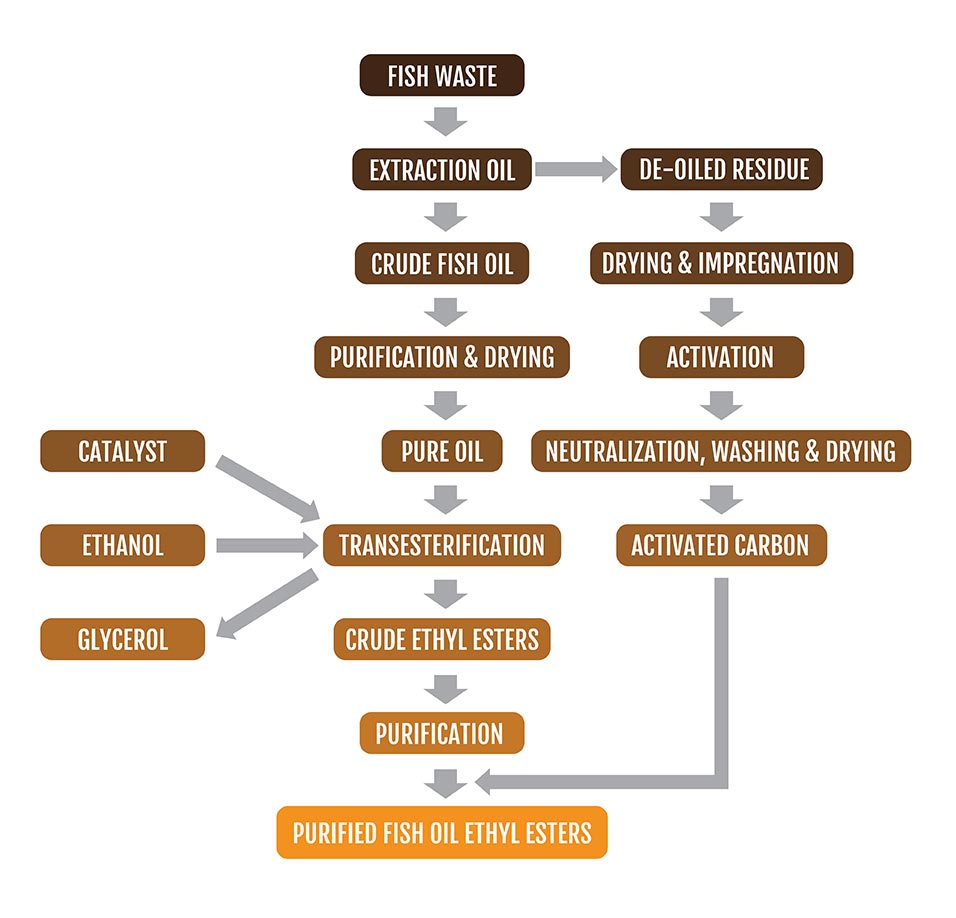
Whittel estimates about 98 percent of the omega-3 products on the market are inferior (and perhaps even toxic) due to the way the fish are caught and processed — a summary of which is provided in the graphic below.
Triglyceride Versus Ethyl Ester Fish Oils
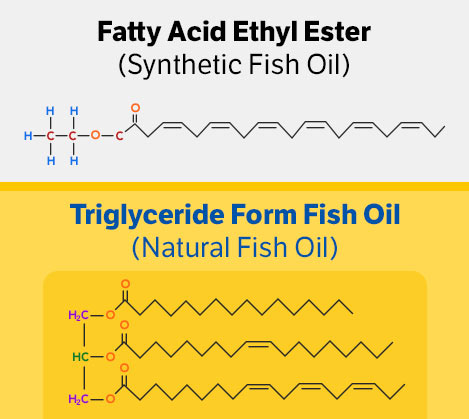
Several factors come into play that affect the efficacy of fish oil. One is the form of the long-chained omega-3 fats. In fish, about 98 percent of the DHA and EPA are in the form of triglycerides, which are the most bioavailable. In most commercial fish oil supplements, however, the DHA and EPA are delivered in the form of ethyl esters.8
A triglyceride consists of a three-carbon molecule that forms a "backbone" for the fatty acids to latch onto. Each carbon molecule is linked to a fatty acid, so in total, a triglyceride is composed of three carbons bonded to three fatty acids.
Ethyl ester fish oil is most prevalent simply because it's far less expensive to produce than the triglyceride form. Ethyl esters are also easier to work with during processing, as they have a higher boiling point. This becomes important during the molecular distillation phase (see above), during which the oils are heated and purified of harmful environmental pollutants.
The molecular distillation phase also concentrates the EPA and DHA. You can tell the concentration of these two fats in any given supplement by looking at the label. In fish, the oil consists of about 20 to 30 percent EPA and DHA, whereas purified fish oil concentrate typically contains between 60 and 85 percent EPA and DHA.
Ethyl esters are essentially a synthetic substrate, created through the micro distillation process of crude fish oil, in which ethanol and/or industrial alcohol is added. This mix is heat distilled in a vacuum chamber, resulting in a concentrated omega-3 ethyl ester condensate.
It is also important to note that this purifying molecular distillation process removes vital resolvins and protectins present in the raw material that are important in reducing inflammation.
Ethyl Esters Are Poorly Absorbed
Ethyl esters, unfortunately, are the least bioavailable form of omega-3, and while manufacturers could convert them back into triglyceride form (by detaching the ethyl alcohol molecule and reattaching a glycerol molecule in a process known as re-esterification), this process is a costly one.
The difference between triglyceride and ethyl ester forms become an issue when your body goes to metabolize them. Since the glycerol backbone is missing in the ethyl ester form, the EPA and DHA will scavenge for available triglycerides or steal a glycerol molecule from somewhere.
When the latter happens, the molecule that lost its glycerol will now go searching for a replacement, which creates a domino effect. One way or another, the fatty acids need to be converted back into triglyceride form, or else your gut epithelium will not be able to process them.
The fatty acids also cannot be transported through your blood unless they're in triglyceride form. When you consume omega-3s in triglyceride form, the fatty acids are first separated from the glycerol backbone. All of the individual parts are then absorbed by gut epithelial cells, where they're reattached to form triglyceride.
On the other hand, when you consume ethyl esters, they must be processed in your liver. There, the ethanol backbone is separated from the free fatty acids, and your body must then reattach the free fatty acids to glycerol to form triglyceride. As you may imagine, this process is far less efficient, compared to the processing of omega-3 fatty acids that are in triglyceride form from the start.
Ethyl Esters May Do More Harm Than Good
Not only does it delay and likely diminish the release of these beneficial triglycerides into your blood stream, your liver must also process the ethyl alcohol, which may release free radicals and cause oxidative stress — the complete opposite of what you're trying to achieve.
Studies9 suggest a mere 20 percent of the EPA and DHA in ethyl ester form are absorbed by your body. When taken with other dietary fat, absorption increased threefold to 60 percent. Meanwhile, EPA and DHA in their natural triglyceride form were found to have a 69 percent absorption rate from the start, and when taken with additional dietary fat, absorption increased to 90 percent.
As a result, taking a triglyceride fish oil results in a 50 percent greater rise in omega-3 blood plasma levels than ethyl ester fish oil. Another major drawback of ethyl ester fish oils is their rapid oxidation rate. Ethyl ester DHA is far more reactive than triglyceride DHA, oxidizing 33 percent more rapidly, and consuming rancid omega-3 is not going to do your health any good. Quite the contrary.
Common side effects of prescription strength fish oil such as Lovaza — a highly-concentrated ethyl ester form of fish oil — are primarily due to the toxicity of ethanol, which is separated out in your liver. This includes unpleasant body odor, vomiting, gastrointestinal dysfunction, pancreatitis, cardiac effects and hypertriglyceridemia.
So, in summary, it's important to realize that the vast majority of clinical evidence showing health benefits of omega-3 relates to actual fish consumption, and as mentioned, virtually all of the omega-3s in fish are in triglyceride form.
Ethyl ester omega-3 does not exist in nature — it's a man-made byproduct of fish oil processing. Hence, to achieve reliable results, you really need to either eat omega-3-rich fish, or make sure the supplement you're taking contains DHA and EPA in their triglyceride form. For a more in-depth understanding of these differences, see the paper, "A Comparison of Synthetic Ethyl Ester Form Fish Oil vs. Natural Triglyceride Form,"10 by Dr. Douglas MacKay, who specializes in naturopathy.
Steps for Fish Oil Ethyl Ester Production From Fish Waste11
Fish Oil Versus Krill Oil
While unrelated to human health effects, fish oil has another significant drawback, namely its environmental impact. Overfishing has become a great concern, and according to recent research, humans have damaged 87 percent of the world's oceans.12,13
According to this study, marine wildlife have dwindled across the globe, thanks to overfishing, global marine shipping and rampant pollution from several sources. The good news is there's an alternative source of marine-based omega-3 fats that doesn't have this impact, and that's krill.
Compared to fish oil, krill oil also has higher potency, and contains natural phospholipids, which makes it more readily absorbed. Krill oil also contains astaxanthin, a powerful antioxidant, which makes if far less prone to oxidation, is virtually contaminant free, and has a superior metabolic influence.
Embed this infographic on your website:
Click on the code area and press CTRL + C (for Windows) / CMD + C (for Macintosh) to copy the code
Krill Oil Is a Far More Sustainable Option
Getting back to sustainability, krill is the largest biomass on earth, and krill harvesting is also one of the most carefully regulated. Strict international precautionary catch limit regulations are reviewed and reassessed regularly to assure continued sustainability.
While krill can be found in all oceans, Antarctic krill is by far the most abundant. The Antarctic krill biomass is under the management of an international organism of 25 countries called the Commission for the Conservation of Antarctic Marine Living Resources (CCAMLR).14
This is the only official and reliable international organism involved in the management of sustainable krill fishery and the monitoring of krill stock, and no shortage of krill has ever been forecast by CCAMLR.
CCAMLR is viewed as an outstanding framework that is well organized and has developed robust research programs to help ensure successful conservation measures in the Southern Ocean. They also have the authority to further micromanage, on a season to season basis, to counteract any concerns they may have regarding the strength of the krill population during a particular harvesting season.
CCAMLR has implemented a precautionary approach to minimize any risks associated with harvesting practices in conditions of uncertainty. They also use an ecosystem approach, meaning they take into account ecological links between different species and natural variability, such as the natural, cyclical rise and fall in reproduction of a species.
They also organize the strategic issuing of mandatory krill harvesting licenses as another control measure to promote sustainability, and are proactively combating illegal fishing of all kinds within the Convention Area, to protect the ecosystem. You can learn more about the safeguards in place to ensure the sustainability of krill in this previous krill article.
Your Best Options for Animal-Based Omega-3
Based on the evidence, it seems clear that to reap maximum health benefits, you really want a majority of your omega-3 to come from your diet. That means eating small fatty fish such as sardines, anchovies, mackerel and herring. Wild-caught Alaskan salmon is another good source.
If you opt for an omega-3 supplement, your choices become more complex. What seems obvious is that many commercial fish oil supplements are not going to give you the benefits you're looking for. A key determining factor here is whether the supplement contains the triglyceride form or ethyl ester form of omega-3.
If you are taking a fish oil supplement, it is vital that you find out if the fish oil is a synthetic ethyl ester. If this information is not on the label, contact the manufacturer and find out. ONLY use fish oil that is in the natural triglyceride formulation. Choosing otherwise could be very problematic for your long-term health.
My preference, when it comes to omega-3 supplements, is krill oil, in part because of its superior absorbability, but also because it's a vastly more sustainable source. Last but not least, don't rely on a set dosage when taking a supplement. Like vitamin D, it's your serum level that counts. Your omega-3 level can easily be measured using an omega-3 index test. You'll want your index to be above 8 percent for optimal health and disease prevention.