Israel Records 1st Case of Patient With Both COVID-19 and Flu, Dubbed 'Flurona'
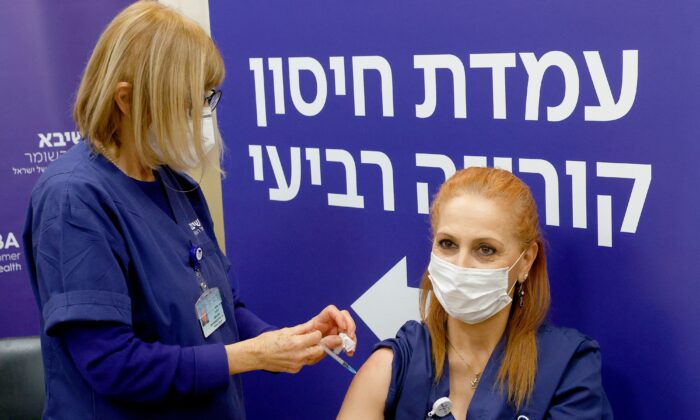
Israel has recorded what is widely believed to be the first case of "flurona" disease, a double infection of coronavirus and seasonal flu in an unvaccinated pregnant woman, according to local reports.
The unnamed woman displayed mild symptoms of the virus at Rabin Medical Center in the city of Petah Tikva on Dec. 30, Hamodia reported. She is doing well and was expected to be discharged from the hospital later on Thursday, according to officials.
"She was diagnosed with the flu and coronavirus as soon as she arrived. Both tests came back positive, even after we checked again," said professor Arnon Vizhnitser, an obstetrics and gynecology specialist and the director of the hospital's Gynecology Department. "The disease is the same disease; they're viral and cause difficulty breathing since both attack the upper respiratory tract."
Vizhnitser said he is seeing more and more cases of individuals who have contracted both coronavirus and seasonal flu at the same time. Both contagious respiratory illnesses can present similar symptoms such as a cough, sore throat, fever, muscle or body aches, and fatigue.
"Last year, we did not witness flu cases among pregnant or birthing women," Vizhnitser said. "Today, we are seeing cases of both coronavirus and the flu that are starting to rear their head."
While the majority of people who contract the flu tend to recover within a few days or weeks, in some it can lead to life-threatening complications such as pneumonia, inflammation of the heart (myocarditis), and multi-organ failure, although this is rare.
Last week, a 31-year-old pregnant woman died in Jerusalem after contracting the flu, The Times of Israel reported. The woman, who gave birth to a son via cesarian section at Hadassah Medical Center, passed away shortly after being placed on a ventilator due to respiratory complications. Her child was said to be in a stable condition.
However, Elias Mossialos, professor of health policy at the London School of Economics, has said there is no reason to panic about the so-called "flurona," although he acknowledged that we may see an increasing number of such cases appear across the globe.
"This is not a new virus, but simultaneous infections from the coronavirus and the flu virus. It happened to a pregnant woman in Israel, but it is likely we will see several such cases in many countries," Mossialos wrote on Facebook on Sunday.
"So, vaccination with the flu vaccine is necessary, especially for our vulnerable compatriots. That's what health authorities around the world emphasize," Mossialos added. "There's no reason to panic."
Israel was among the first in the world to introduce vaccine passports and mandatory vaccinations.
Last month, government officials approved a second COVID-19 vaccine booster shot for people with weakened immune systems, such as cancer patients and organ transplant recipients.
The approval came almost a week after the country's Pandemic Expert Committee recommended the fourth shot of the Pfizer-BioNTech vaccine for immunocompromised people, people older than 60, and health care workers.
Israel's Health Ministry on Dec. 27 also granted emergency approval to an anti-viral oral COVID-19 medication developed by Pfizer, called Paxlovid. The pill is taken twice per day for five days in combination with a second medicine called ritonavir, a generic antiviral drug.
The drug is supposed to be for patients who are suffering from "mild-to-moderate" COVID-19 symptoms as a preventative measure to stop them from becoming so sick that they need to be hospitalized, officials and Pfizer have said.
Israel has ordered roughly 100,000 doses of the pills in an effort to help combat a new coronavirus wave brought about by the fast-spreading Omicron variant.
Despite this, 63.69 percent of the population is double vaccinated, while 6.91 percent is partially vaccinated, according to official data.
Katabella Roberts is a reporter currently based in Turkey. She covers news and business for The Epoch Times, focusing primarily on the United States.
Pfizer and BioNTech Receive U.S. FDA Emergency Use Authorization of COVID-19 Vaccine Booster for Individuals 12 Years of Age and Older
First emergency use authorization in the United States for a COVID-19 vaccine booster in adolescents 12 through 15 years of age Today's FDA action also reduces time between completion of primary series and booster dose for all eligible individuals, and authorizes a third primary series dose for individuals 5 through 11 years of age with certain kinds of immunocompromise Pfizer and BioNTech fulfill their goal to deliver 1 billion doses of their COVID-19 vaccine to low- and middle-income countries in 2021
NEW YORK & MAINZ, Germany--(BUSINESS WIRE)--Pfizer Inc. (NYSE: PFE) and BioNTech SE (Nasdaq: BNTX) today announced that the U.S. Food and Drug Administration (FDA) has expanded the Emergency Use Authorization (EUA) of a booster dose of the Pfizer-BioNTech COVID-19 Vaccine to include individuals 12 years of age and older. The booster dose is the same dosage strength (30-µg) as the dose approved in the primary series.
A booster dose of the Pfizer-BioNTech COVID-19 Vaccine was previously authorized by the FDA for emergency use after completion of a primary series in individuals 16 years of age and older. The vaccine is also authorized for eligible individuals 18 and older who have completed primary vaccination with a different authorized COVID-19 vaccine.
"The recent rise in COVID-19 cases is concerning to all and today's decision by the FDA to further expand the Emergency Use Authorization of a booster dose of our vaccine is critical to help us ultimately defeat this pandemic," said Albert Bourla, Chairman and Chief Executive Officer, Pfizer. "We continue to believe that broad use of boosters is essential to preserving a high level of protection against this disease and reducing the rate of hospitalizations."
"The booster vaccination increases the level of immunity and improves protection against COVID-19 across all age groups that have been authorized to receive one," said Ugur Sahin, M.D., CEO and Co-founder of BioNTech. "In the current situation, it is important to offer all eligible individuals a booster, particularly against the backdrop of the newly-emerging variants such as Omicron."
Real world evidence from the Ministry of Health of Israel on the administration of over 4.1 million third doses of the Pfizer-BioNTech COVID-19 Vaccine given at least 5 months after the primary series revealed no new safety concerns in adolescents 12 through 17 years of age.1
Additional EUA Amendments
Separately, the FDA is also amending the existing EUA to reduce the time for administration of a booster dose from at least six months to at least five months following completion of the primary series for individuals 12 years of age and older. The reduction of time between the primary series is supported by real world evidence from the Ministry of Health of Israel on the administration of third doses of the Pfizer-BioNTech COVID-19 Vaccine given at least 5 months after the primary series, which revealed no new safety concerns in adults.1
Finally, the FDA has expanded the current Emergency Use Authorization to include administration of a third primary series dose at least 28 days following the second dose for individuals 5 through 11 years of age who have who have been determined to have certain kinds of immunocompromise. This authorization is based on information extrapolated from an independent report evaluating safety and effectiveness of a third dose in adults who received solid organ transplants. A third primary dose of the Pfizer-BioNTech vaccine was previously authorized for administration to individuals at least 12 years of age who have been determined to have certain kinds of immunocompromise.
The companies continue to supply the vaccine, including booster doses, under their existing supply agreement with the U.S. government, which continues through April 2022. The companies do not expect that today's news will impact the existing supply agreements in place with governments and international health organizations around the world. As of December 29, 2021, Pfizer and BioNTech have delivered 1 billion doses of the Pfizer-BioNTech COVID-19 Vaccine to low- and middle-income countries. The companies expect to deliver an additional 1 billion doses to these nations in 2022. These doses are part of Pfizer and BioNTech's previously announced pledge to provide 2 billion doses of the COVID-19 vaccine to low- and middle-income countries between 2021 and 2022.
The Pfizer-BioNTech COVID-19 Vaccine, which is based on BioNTech's proprietary mRNA technology, was developed by both BioNTech and Pfizer. BioNTech is the Marketing Authorization Holder in the United States, the European Union, the United Kingdom, Canada and other countries, and the holder of emergency use authorizations or equivalents in the United States (jointly with Pfizer) and other countries. Submissions to pursue regulatory approvals in those countries where emergency use authorizations or equivalent were initially granted are planned.
U.S. Indication & Authorized Use
HOW IS THE VACCINE GIVEN?
The vaccine will be given as an injection into the muscle.
Primary Series:
In individuals 5 years of age and older, the vaccine is administered as a 2-dose series, 3 weeks apart. In individuals 5 years of age and older, a third primary series dose may be administered at least 28 days after the second dose to individuals who are determined to have certain kinds of immunocompromise.
Booster Dose:
A single booster dose of the vaccine may be administered at least 5 months after completion of a primary series of the Pfizer-BioNTech COVID-19 Vaccine or COMIRNATY® (COVID-19 Vaccine, mRNA) to individuals 12 years of age and older
A single booster dose of the vaccine may be administered to individuals 18 years of age and older who have completed primary vaccination with a different authorized COVID-19 vaccine. Individuals should check with their healthcare provider regarding timing of the booster dose
WHAT IS THE INDICATION AND AUTHORIZED USE?
The Pfizer-BioNTech COVID-19 Vaccine has received EUA from FDA to provide:
a 2-dose primary series to individuals 5 years of age and older
a third primary series dose to individuals 5 years of age and older who have been determined to have certain kinds of immunocompromise
a single booster dose to individuals 12 years of age and older who have completed a primary series with Pfizer-BioNTech COVID-19 Vaccine or COMIRNATY® (COVID-19 Vaccine, mRNA)
a single booster dose to individuals 18 years of age and older who have completed primary vaccination with a different authorized COVID-19 vaccine. The booster schedule is based on the labeling information of the vaccine used for the primary series
COMIRNATY® (COVID-19 Vaccine, mRNA) is an FDA-approved COVID-19 vaccine made by Pfizer for BioNTech.
It is approved as a 2-dose series for prevention of COVID-19 in individuals 16 years of age and older
It is also authorized under EUA to provide:
a 2-dose primary series to individuals 12 through 15 years of age
a third primary series dose to individuals 12 years of age and older who have been determined to have certain kinds of immunocompromise
a single booster dose to individuals 12 years of age and older who have completed a primary series with Pfizer-BioNTech COVID-19 Vaccine or COMIRNATY® (COVID-19 Vaccine, mRNA)
a single booster dose to individuals 18 years of age and older who have completed primary vaccination with a different authorized COVID-19 vaccine. The booster schedule is based on the labeling information of the vaccine used for the primary series
EUA Statement
Emergency uses of the vaccine have not been approved or licensed by FDA, but have been authorized by FDA, under an Emergency Use Authorization (EUA) to prevent Coronavirus Disease 2019 (COVID-19) in individuals 5 years of age and older. The emergency uses are only authorized for the duration of the declaration that circumstances exist justifying the authorization of emergency use of the medical product under Section 564(b)(1) of the FD&C Act unless the declaration is terminated or authorization revoked sooner. Please see EUA Fact Sheets at www.cvdvaccine-us.com.
IMPORTANT SAFETY INFORMATION
Individuals should not get the vaccine if they:
had a severe allergic reaction after a previous dose of this vaccine
had a severe allergic reaction to any ingredient of this vaccine
Individuals should tell the vaccination provider about all of their medical conditions, including if they:
have any allergies
have had myocarditis (inflammation of the heart muscle) or pericarditis (inflammation of the lining outside the heart)
have a fever
have a bleeding disorder or are on a blood thinner
are immunocompromised or are on a medicine that affects the immune system
are pregnant, plan to become pregnant, or are breastfeeding
have received another COVID-19 vaccine
have ever fainted in association with an injection
The vaccine may not protect everyone.
Side effects reported with the vaccine include:
There is a remote chance that the vaccine could cause a severe allergic reaction
A severe allergic reaction would usually occur within a few minutes to 1 hour after getting a dose of the vaccine. For this reason, vaccination providers may ask individuals to stay at the place where they received the vaccine for monitoring after vaccination
Signs of a severe allergic reaction can include difficulty breathing, swelling of the face and throat, a fast heartbeat, a bad rash all over the body, dizziness, and weakness
If an individual experiences a severe allergic reaction, they should call 9-1-1 or go to the nearest hospital
Myocarditis (inflammation of the heart muscle) and pericarditis (inflammation of the lining outside the heart) have occurred in some people who have received the vaccine, more commonly in males under 40 years of age than among females and older males. In most of these people, symptoms began within a few days following receipt of the second dose of the vaccine. The chance of having this occur is very low. Individuals should seek medical attention right away if they have any of the following symptoms after receiving the vaccine:
chest pain
shortness of breath
feelings of having a fast-beating, fluttering, or pounding heart
Additional side effects that have been reported with the vaccine include:
severe allergic reactions; non-severe allergic reactions such as rash, itching, hives, or swelling of the face; myocarditis (inflammation of the heart muscle); pericarditis (inflammation of the lining outside the heart); injection site pain; tiredness; headache; muscle pain; chills; joint pain; fever; injection site swelling; injection site redness; nausea; feeling unwell; swollen lymph nodes (lymphadenopathy); decreased appetite; diarrhea; vomiting; arm pain; fainting in association with injection of the vaccine
These may not be all the possible side effects of the vaccine. Serious and unexpected side effects may occur. The possible side effects of the vaccine are still being studied in clinical trials. Call the vaccination provider or healthcare provider about bothersome side effects or side effects that do not go away
Data on administration of this vaccine at the same time as other vaccines have not yet been submitted to FDA. Individuals considering receiving this vaccine with other vaccines, should discuss their options with their healthcare provider.
Patients should always ask their healthcare providers for medical advice about adverse events. Individuals are encouraged to report negative side effects of vaccines to the US Food and Drug Administration (FDA) and the Centers for Disease Control and Prevention (CDC). Visit https://www.vaers.hhs.gov or call 1-800-822-7967. In addition, side effects can be reported to Pfizer Inc. at www.pfizersafetyreporting.com or by calling 1-800-438-1985.
Click for
Fact Sheets and Prescribing Information for individuals 12 years of age and older
About Pfizer: Breakthroughs That Change Patients' Lives
At Pfizer, we apply science and our global resources to bring therapies to people that extend and significantly improve their lives. We strive to set the standard for quality, safety and value in the discovery, development and manufacture of health care products, including innovative medicines and vaccines. Every day, Pfizer colleagues work across developed and emerging markets to advance wellness, prevention, treatments and cures that challenge the most feared diseases of our time. Consistent with our responsibility as one of the world's premier innovative biopharmaceutical companies, we collaborate with health care providers, governments and local communities to support and expand access to reliable, affordable health care around the world. For more than 170 years, we have worked to make a difference for all who rely on us. We routinely post information that may be important to investors on our website at www.Pfizer.com. In addition, to learn more, please visit us on www.Pfizer.com and follow us on Twitter at @Pfizer and @Pfizer News, LinkedIn, YouTube and like us on Facebook at Facebook.com/Pfizer.
Pfizer Disclosure Notice
The information contained in this release is as of January 3, 2021. Pfizer assumes no obligation to update forward-looking statements contained in this release as the result of new information or future events or developments.
This release contains forward-looking information about Pfizer's efforts to combat COVID-19, the collaboration between BioNTech and Pfizer to develop a COVID-19 vaccine, the BNT162b2 mRNA vaccine program, and the Pfizer-BioNTech COVID-19 Vaccine, also known as COMIRNATY (COVID-19 Vaccine, mRNA) (BNT162b2) (including emergency use authorization of a booster dose for individuals 12 years and older in the U.S., reduction of time between completion of primary series and booster dose, authorization of a third primary series does authorized for individuals 5 through 11 years old with certain kinds of immunocompromise, qualitative assessments of available data, potential benefits, expectations for clinical trials, supply agreements with the U.S. government, as well as governments and international health organizations around the world, and the timing of delivery of doses thereunder, the anticipated timing of data readouts, regulatory submissions, regulatory approvals or authorizations and anticipated manufacturing, distribution and supply) involving substantial risks and uncertainties that could cause actual results to differ materially from those expressed or implied by such statements
( ???ONE SENTENCE????)
Risks and uncertainties include, among other things, the uncertainties inherent in research and development, including the ability to meet anticipated clinical endpoints, commencement and/or completion dates for clinical trials, regulatory submission dates, regulatory approval dates and/or launch dates, as well as risks associated with preclinical and clinical data (including the Phase 3 data), including the possibility of unfavorable new preclinical, clinical or safety data and further analyses of existing preclinical, clinical or safety data; the ability to produce comparable clinical or other results, including the rate of vaccine effectiveness and safety and tolerability profile observed to date, in additional analyses of the Phase 3 trial and additional studies or in larger, more diverse populations following commercialization; the ability of BNT162b2 to prevent COVID-19 caused by emerging virus variants; the risk that more widespread use of the vaccine will lead to new information about efficacy, safety, or other developments, including the risk of additional adverse reactions, some of which may be serious; the risk that preclinical and clinical trial data are subject to differing interpretations and assessments, including during the peer review/publication process, in the scientific community generally, and by regulatory authorities; whether and when additional data from the BNT162 mRNA vaccine program will be published in scientific journal publications and, if so, when and with what modifications and interpretations; whether regulatory authorities will be satisfied with the design of and results from these and any future preclinical and clinical studies; whether and when submissions to request emergency use or conditional marketing authorizations for a potential booster dose, pediatric populations and/or other biologics license and/or emergency use authorization applications or amendments to any such applications may be filed in particular jurisdictions for BNT162b2 or any other potential vaccines that may arise from the BNT162 program, including a potential variant-specific vaccine, and if obtained, whether or when such emergency use authorizations or licenses will expire or terminate; whether and when any applications that may be pending or filed for BNT162b2 (including any requested amendments to the emergency use or conditional marketing authorizations) or other vaccines that may result from the BNT162 program may be approved by particular regulatory authorities, which will depend on myriad factors, including making a determination as to whether the vaccine's benefits outweigh its known risks and determination of the vaccine's efficacy and, if approved, whether it will be commercially successful; decisions by regulatory authorities impacting labeling or marketing, manufacturing processes, safety and/or other matters that could affect the availability or commercial potential of a vaccine, including development of products or therapies by other companies; disruptions in the relationships between us and our collaboration partners, clinical trial sites or third-party suppliers; the risk that demand for any products may be reduced or no longer exist; risks related to the availability of raw materials to manufacture a vaccine; challenges related to our vaccine's formulation, dosing schedule and attendant storage, distribution and administration requirements, including risks related to storage and handling after delivery by Pfizer; the risk that we may not be able to successfully develop other vaccine formulations, booster doses or new variant-specific vaccines; the risk that we may not be able to create or scale up manufacturing capacity on a timely basis or maintain access to logistics or supply channels commensurate with global demand for our vaccine, which would negatively impact our ability to supply the estimated numbers of doses of our vaccine within the projected time periods as previously indicated; whether and when additional supply agreements will be reached; uncertainties regarding the ability to obtain recommendations from vaccine advisory or technical committees and other public health authorities and uncertainties regarding the commercial impact of any such recommendations; challenges related to public vaccine confidence or awareness; uncertainties regarding the impact of COVID-19 on Pfizer's business, operations and financial results; and competitive developments.( ???ONE SENTENCE????)
A further description of risks and uncertainties can be found in Pfizer's Annual Report on Form 10-K for the fiscal year ended December 31, 2020 and in its subsequent reports on Form 10-Q, including in the sections thereof captioned "Risk Factors" and "Forward-Looking Information and Factors That May Affect Future Results", as well as in its subsequent reports on Form 8-K, all of which are filed with the U.S. Securities and Exchange Commission and available at www.sec.gov and www.pfizer.com.
About BioNTech
Biopharmaceutical New Technologies is a next generation immunotherapy company pioneering novel therapies for cancer and other serious diseases. The Company exploits a wide array of computational discovery and therapeutic drug platforms for the rapid development of novel biopharmaceuticals. Its broad portfolio of oncology product candidates includes individualized and off-the-shelf mRNA-based therapies, innovative chimeric antigen receptor T cells, bi-specific checkpoint immuno-modulators, targeted cancer antibodies and small molecules. Based on its deep expertise in mRNA vaccine development and in-house manufacturing capabilities, BioNTech and its collaborators are developing multiple mRNA vaccine candidates for a range of infectious diseases alongside its diverse oncology pipeline. BioNTech has established a broad set of relationships with multiple global pharmaceutical collaborators, including Genmab, Sanofi, Bayer Animal Health, Genentech, a member of the Roche Group, Regeneron, Genevant, Fosun Pharma, and Pfizer. For more information, please visit www.BioNTech.de.
BioNTech Forward-looking Statements
This press release contains "forward-looking statements" of BioNTech within the meaning of the Private Securities Litigation Reform Act of 1995. These forward-looking statements may include, but may not be limited to, statements concerning: BioNTech's efforts to combat COVID-19; the collaboration between BioNTech and Pfizer: a planned submission of a supplemental BLA for a potential booster dose of BNT162b2 in individuals 16 years of age and older, a supplemental BLA to support potential full FDA approval of BNT162b2 in individuals 12 through 15 years, qualitative assessments of available data, potential benefits, expectations for clinical trials, the anticipated timing of regulatory submissions, regulatory approvals or authorizations and anticipated manufacturing, distribution and supply); our expectations regarding the potential characteristics of BNT162b2 in our clinical trials and/or in commercial use based on data observations to date; the ability of BNT162b2 to prevent COVID-19 caused by emerging virus variants; the expected time point for additional readouts on efficacy data of BNT162b2 in our clinical trials; the nature of the clinical data, which is subject to ongoing peer review, regulatory review and market interpretation; the risk of further widespread use of our vaccine will lead to new information about efficacy, safety, or other developments, including the risk of additional adverse reactions, some of which may be serious; decisions by regulatory authorities that may impact labeling or marketing, manufacturing processes, safety and/or other matters that could affect the availability or commercial potential of our vaccine, including development of products or therapies by other companies; the timing for submission of data for, or receipt of, any marketing approval or Emergency Use Authorization; our contemplated shipping and storage plan, including our estimated product shelf life at various temperatures; disruptions in the relationships between us and our collaboration partners, clinical trial sites or other third-parties; risks related to the availability of raw materials to manufacture a vaccine; challenges related to our vaccine's formulation, two-dose schedule and attendant storage, distribution and administration requirements, including risks related to storage and handling after delivery by BioNTech and third-party providers; the ability of BioNTech to supply the quantities of BNT162 to support clinical development and market demand, including our production estimates for 2021; whether and when additional supply agreements will be reached; challenges related to public vaccine confidence or awareness; and uncertainties regarding the impact of COVID-19 to BioNTech's trials, business and general operations. Any forward-looking statements in this press release are based on BioNTech current expectations and beliefs of future events, and are subject to a number of risks and uncertainties that could cause actual results to differ materially and adversely from those set forth in or implied by such forward-looking statements. These risks and uncertainties include, but are not limited to: the ability to meet the pre-defined endpoints in clinical trials; competition to create a vaccine for COVID-19; the ability to produce comparable clinical or other results, including our stated rate of vaccine effectiveness and safety and tolerability profile observed to date, in the remainder of the trial or in larger, more diverse populations upon commercialization; the ability to effectively scale our productions capabilities; and other potential difficulties.
For a discussion of these and other risks and uncertainties, see BioNTech's Annual Report as Form 20-F for the Year Ended December 31, 2020, filed with the SEC on March 30, 2021, which is available on the SEC's website at www.sec.gov. All information in this press release is as of the date of the release, and BioNTech undertakes no duty to update this information unless required by law.
"More Harm Than Good:" Viral Canadian Covid Care Alliance Document Gives Disturbing Data on Pfizer Vaccines, Describes "Level 1 Harm", Misrepresented Efficacy [VIDEO]
Video details very troubling information on Pfizer and government agencies involved in the vaccine approvals
This disturbing video of evidence is believed to be the reason mRNA inventor Dr. Malone was screened off Twitter
NewsRescue
The Canadian Covid Care Alliance, has released a new viral and much controversial 51-page document and video that paints a disturbing picture of the processes involved in the release and the use of Pfizer covid vaccines.
The group describes itself as "alliance of over 500 independent Canadian doctors, scientists, and health care practitioners" that declares itself "committed to providing quality, balanced, evidence-based information to the Canadian public about COVID-19 so that hospitalizations can be reduced, lives saved, and our country safely restored to normal as quickly as possible."
The material describes how the process of the phase studies of the vaccine was abridged in 2 months not the 3-years the study was designed for, with the study blinds removed and candidates on placebo being allowed to switch to the vaccine group too soon for scientific study reliability. This means that "for the rest of the trial there was no way to access efficacy or safety."
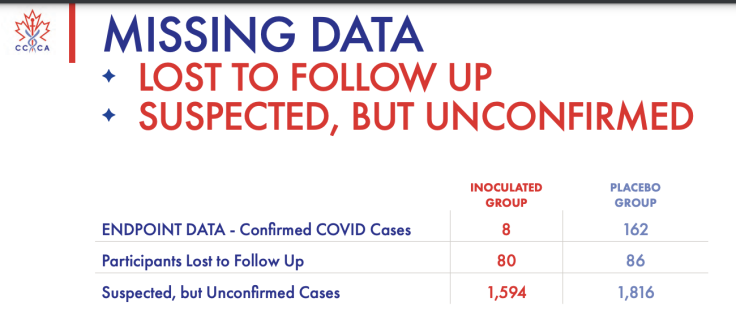
The thought-provoking documentary further explains that when Pfizer announced 95% efficacy of its vaccine, this claim was based on "relative risk" and not "absolute risk," the more useful scientific term. Claiming Pfizer misled the public, the document explains that overall the Pfizer vaccine was able to reduce the risk of covid disease from a fraction of 0.84% (without vaccine use) to 0.04% (with vaccine use), the difference being the relative risk 95% advantage.
95% efficacy relative risk not absolute risk
In the trial, 8 out of 18,198 given vaccine developed covid-19, that's 0.04%, vs 162 in placebo group or 0.88%. The difference of 0.84% being pushed to the public as the 0.84% gain or 95% efficacy.
'The number does not mean the vaccine protects you 95% of the time. The FDA recommends using absolute risk.'
The group explained that the public was more interested in the absolute risk reduction and benefit of the shots, which would be a mere 0.84%. This considered with the many side-effect reported risks of the vaccine by itself paints a picture of a high risk, low benefit intervention not reflected in the 95% efficacy advertisement.
"There is no benefit to a reduction in cases if it comes at the cost of increased sickness and death"
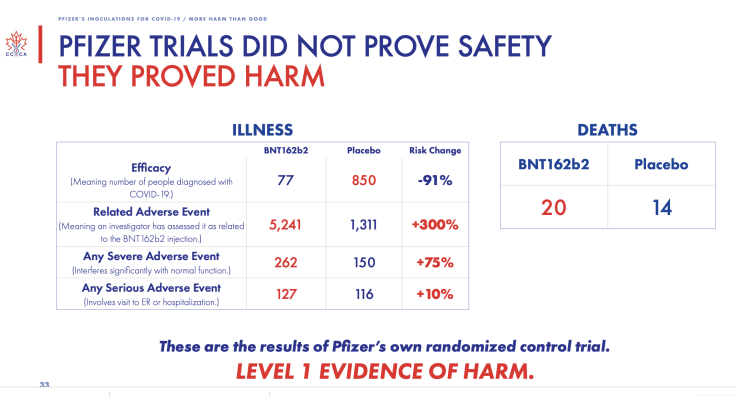
'The inoculated arm showed an increase in adverse events in almost every category, eg, there were almost 5000 in the experimental arm and just over 1000 in the placebo arm.'
Level 1 harm: Greater adverse events in inoculation arm
Booz Allen was founded on the notion that we could help companies and government agencies succeed by bringing them expert, candid advice, and an outside perspective on their business. Finding good talent, embedding it with clients, and unleashing a critical and skillful eye remains a Booz Allen pillar more than 100 years after we were founded.
And the analysis and perspective generated by that talent can be found in the case studies, white papers, and thought leadership produced by our people. In these reports, you'll find market intelligence on beating back the latest sophisticated cyber attack, how data science can wring new revenue streams out of industries under siege, and why an agile approach is key to software development today.
So whether you're a C-suite executive who needs to think differently about how to integrate emerging technologies, a potential client seeking a new business partner, a company looking to invest, or a government organization in search of the latest ideas and breakthroughs, we have the insights you need.
Emergency Use Authorization of COVID-19 Tests: Independent Assessment of the FDA's Response
At the U.S. Food and Drug Administration, much of the focus in 2020 and 2021 has been dominated by the Agency's response to the COVID-19 pandemic. The Center for Devices and Radiological Health (CDRH) has significantly contributed to the COVID-19 response, including working to help grant emergency use authorizations (EUAs) for over 600 medical devices – more than a ten-fold increase over the number authorized in all prior public health emergencies (PHEs) combined – and authorized over 900 additional medical devices through traditional pathways, for a total of more than 1,700 medical devices authorized.
"The FDA agrees with the priority recommendations identified by Booz Allen Hamilton in their independent assessment of our COVID-19 response. From the beginning of the pandemic, we have adapted our regulatory approach to address the public's testing needs and worked actively with COVID-19 test developers to adjust our policies as those needs have changed or the science has evolved. We will continue to take a flexible approach to COVID-19 tests to meet public health needs and increase access to testing for consumers, including at-home diagnostic tests, which remain a top priority for the agency, that is grounded in sound science." Jeff Shuren, M.D., J.D., director of FDA's Center for Devices and Radiological Health
As of October 8, 2021, the FDA authorized approximately 400 COVID-19 tests and sample collection devices and over 600 revisions to such EUAs.
In March 2021, Booz Allen Hamilton was selected by the FDA to conduct an independent assessment of the FDA's Coronavirus Disease 2019 (COVID-19) Emergency Use Authorization (EUA) response. Booz Allen Hamilton reviewed primary documents and conducted internal and external stakeholder interviews to evaluate the FDA's response and develop recommendations for improvement.
CDRH is sharing Booz Allen Hamilton's independent assessment report with the public. This page highlights the recommendations from the report, along with CDRH's perspectives and steps the Center has taken, or plans to take, to address the feedback.
Priority Recommendations to Support the EUA Process
The key observations, potential recommendations, and intended impacts listed below are excerpted from Table 4-2, Priority Recommendations Identified by Booz Allen Hamilton (BAH) to Support the EUA Process, in the assessment report.
KEY OBSERVATION: Precise tracking of new review metrics was encumbered by the IT system, which is not optimized to account for updated EUA processes.
BAH Priority Recommendation and Intended Impact
Consider ways to optimize the IT system to account for EUA processes "Fully automate submission and tracking of EUA requests (e.g., linking Pre-EUA to EUA; lags while awaiting additional information from requestors; lags due to backlog or priority designation) to provide more comprehensive picture of review time from EUA submission to decision for review efficiency, performance monitoring, prioritization, process improvements, and workload management"
CDRH Perspective and Next Steps
CDRH agrees with the recommendation to align IT with EUA process updates, as this will help improve tracking of EUA requests and related performance metrics.
From March 2020 to present, CDRH took several steps to identify IT system needs to improve EUA request submission tracking. In parallel, CDRH has been working to streamline EUA processes.
Further, CDRH initiated a Digital Transformation Initiative in Fiscal Year (FY) 2016, which is ongoing. This initiative is focused on providing better IT infrastructures, technology solutions, and data to help both internal and external stakeholders across all regulatory programs. The goal is to improve transparency, reduce duplicative efforts, create an integrated environment, and help ensure that data is organized, curated properly, and accurate for decision making. This effort will help CDRH better track future EUA requests as well as provide better platforms for interacting with medical device sponsors when questions arise about their submissions.
KEY OBSERVATION: The approach to staff allocation was difficult to systematically quantify and analyze, making it difficult to determine what events or criteria triggered shifts in staff and how shifts were coordinated to address the triggering event or criteria.
BAH Priority Recommendation and Intended Impact
Consider developing a systematic approach (that is, a strategy and plan) for allocation and tracking of staff during public health emergencies (PHEs) "Quick determination of staffing needs and deployment of the right staff to the right place at the right time to maximize review efficiency. Identification of most likely areas for future PHEs (e.g., emerging infectious diseases) and development of process for cross-training to prepare a subset of staff in those areas in the event of a PHE"
CDRH Perspective and Next Steps
CDRH agrees with the recommendation of developing a systematic approach for allocation and tracking of staff during PHEs.
CDRH is undertaking efforts to proactively prepare for future situations by focusing on how to identify staffing needs and deploy staff to the "right place at the right time" by:
Outlining a blueprint for an Emergency Response Process that will provide guidelines for information sharing, staff mobilization, and operational flexibility with the goal of engaging the right people at the right time in future emergencies.
Starting a process improvement effort to address how 'Surge Capacity' is defined and managed in a standardized way across the Center. The goal of this project effort is to define how staff can be seamlessly allocated to work more efficiently during a PHE. Other goals of this project will include how to define situational triggers and thresholds to 'activate' a surge capacity situation, as well as how to develop a plan to manage resources through the PHE.
Using a resource pool of qualified contractors to support various activities, including EUA review activities on an 'as-needed' basis to address the demands of the PHE.
In addition to identifying ways to manage resource needs, CDRH is exploring ways to simplify and streamline the EUA process. For example, the use of review templates reduced the number of manufacturer submission pages and focused on what was the most important data to submit to the FDA. This helped FDA review staff work more efficiently given the staffing challenges.
KEY OBSERVATION: There was limited understanding in the test developer community on how to appropriately validate a diagnostic test.
BAH Priority Recommendation and Intended Impact
Consider developing a framework for how to conduct validation of diagnostic tests for emerging pathogens in the setting of a declared PHE "[This should result in] Earlier access to accurate and reliable diagnostic tests"
CDRH Perspective and Next Steps
CDRH agrees with the recommendation to develop a framework for how to conduct validation of diagnostic tests for emerging pathogens in the setting of a declared PHE.
CDRH plans to engage with test developers to establish generic templates for commonly anticipated pathogens that may be adapted for potential future outbreaks, as well as a framework for conducting appropriate validation under different circumstances, to speed the availability of future in vitro diagnostic (IVD) devices. CDRH believes that common approaches to validating test design and performance can support development of accurate and reliable tests, regardless of whether there is an emergency.
CDRH also plans to continue strengthening communication strategies and tools that have proved effective during the COVID-19 PHE, including town halls, webinars, a telephone hotline and email boxes for stakeholder inquiries, templates, and interactions with professional and trade organizations.
Further, CDRH suggests that the U.S. government consider:
Working with international partners to establish a plan for sharing clinical specimens as soon as a public health threat emerges. Clinical specimens are needed for optimal validation of tests.
Establishing the capacity to independently evaluate test performance before outbreaks occur so that independent evaluation can be performed quickly during an outbreak. CDRH's collaboration with the National Cancer Institute demonstrated the value of this approach. Combined with FDA emergency use authorization, this strategy could permit rapid independent assessment of molecular diagnostic, antigen, and serology test accuracy and minimize the need for test developers to procure specimens for clinical validation.