No more wandering around aimlessly searching for a workout class. The Peloton: Exodus Edition kick-starts your cardio just like matzah kick-starts your IBS. Add classes like camel-riding, sea-splitting, synchronized davening and more to your routine and get the most immersive fitness experience right from the comfort of your home or shul.
Sweat. Commiserate. Eat Manna. Repeat.
From escaping Egypt to riding your way into the Promised Land, there's something for everyone. With prophetic instructors and an endless 40-year workout you'll have a commandment over your exercise routine in no time.
Why is this workout different from all other workouts?
THE STAFF WITH THE WOODEN STAFF Ride your best with live encouragement from Moses and his assistant Joshua or favorites from the Old Testament like Sarah, Rebecca, Leah, Rachel and even special guests like Elijah!
THE FOUR CLASSES One class type would have been enough- Dayenu! Choose from more difficult class levels if you want a bush-worthy burn, or our calmer Israel-lite classes. ON-DEMAND MANNA Classes stop before the bread has had time to rise. Earn plagues for completion! LET MY PEOPLE SCHVITZ Keep your workout fresh with different themes and music, like the nasal-clearing Hillel Sandwich ride or exclusive Go Down Moses and Dayenu remixes.
Note: Information in this article was accurate at the time of original publication. Because information about COVID-19 changes rapidly, we encourage you to visit the websites of the Centers for Disease Control & Prevention (CDC), World Health Organization (WHO), and your state and local government for the latest information.
With kids returning to school and many adults heading back to the office or traveling, something as simple as a cough or runny nose might lead to panic—and the need for a COVID-19 test. But because of the wide availability of COVID-19 vaccines, the topic of testing—and which one to use—has fallen off our collective radar.
A lot has changed since the early days of the pandemic, when people lined up (on foot or in their cars) outside testing sites awaiting their turn at a nasal swab. Whether it's at a pharmacy, urgent care center, or testing site, it's now easier than ever to get a COVID-19 test. You can even buy a kit online or at a drugstore to test yourself—and get results—in your own home.
In fact, there are so many different options, it can be confusing. If you are traveling and need to show a negative COVID test, which is the best kind to get? Are they all equally accurate? Do some produce results faster than others? And do you still have to get a Q-tip in your nose?
Some of these questions are easy to answer, while others are more difficult—particularly when it comes to accuracy. That's because all of the tests—and there are hundreds of them, from a growing number of companies and laboratories—are offered through a Food and Drug Administration (FDA) emergency use authorization (EUA). Therefore, they have not been as rigorously tested or vetted as other medical tests with full FDA approval.
And since the virus is new, all the tests are also new, meaning we have neither a long track record of comparing results, nor a true gold-standard test yet.
Below, Yale Medicine experts fielded our COVID test questions.
What are the different types of tests to diagnose COVID-19?
Unlike antibody tests, which look for prior infection, COVID diagnostic tests look for current infection with SARS-CoV-2, the virus that causes COVID-19. They are broken into two categories: molecular and antigen (more below).
A summary of their differences
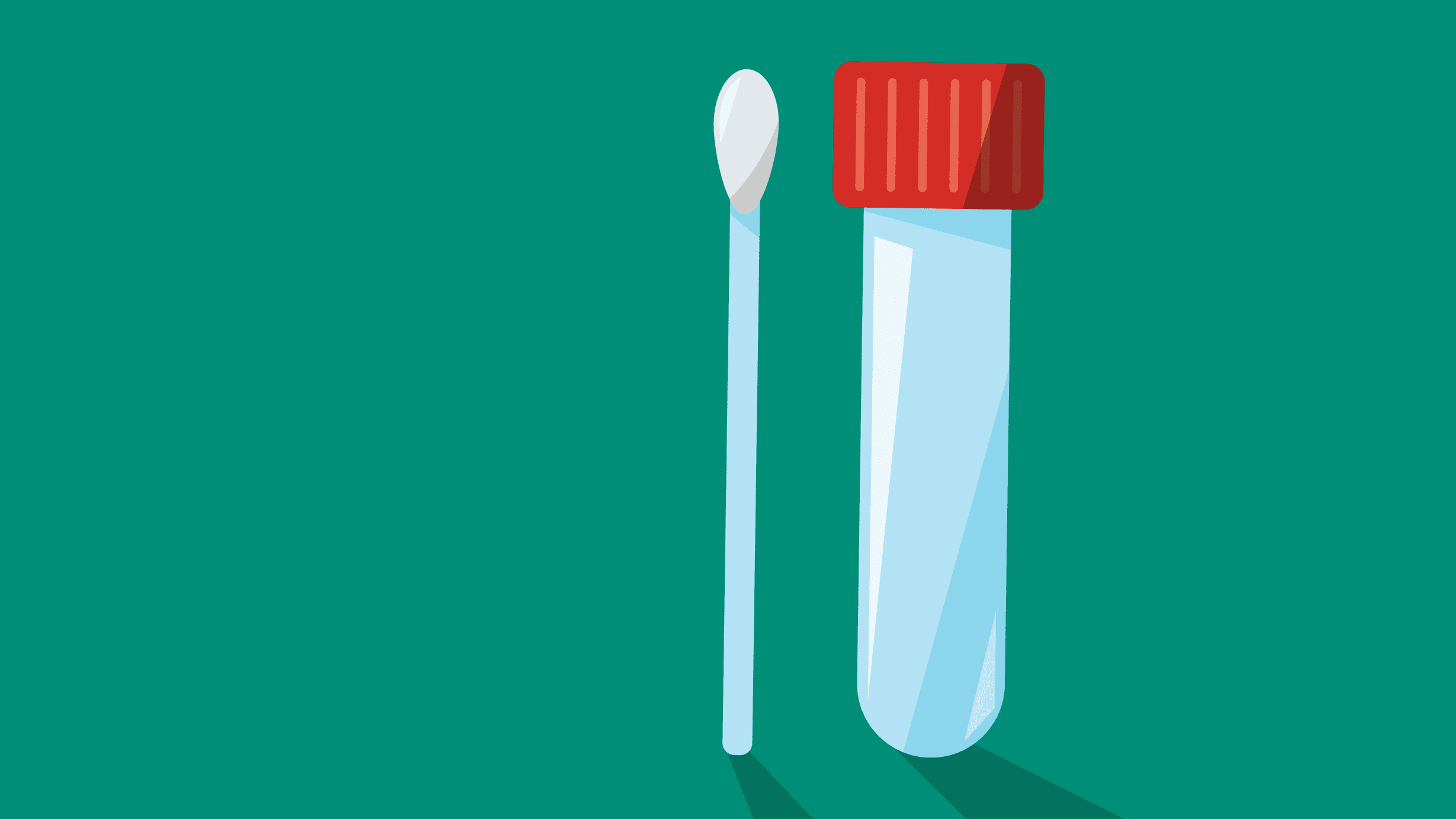
Because the samples are, for the most part, collected in the same way for both, the differences between the two kinds of tests are largely in how they're processed. Molecular tests are generally more accurate and mostly processed in a laboratory, which takes longer; antigen tests—which are sometimes referred to as 'rapid tests'—are processed pretty much anywhere, including in doctor's office, pharmacies, or even at home. You can get antigen test results in about 15 minutes, but they tend to be less accurate.
Health care providers typically rely on molecular tests, particularly when people have COVID-19 symptoms, whereas antigen testing is often used when quick results are needed or for general screening and surveillance.
Below, we take a closer look at the two categories.
Molecular COVID tests (also called nucleic acid amplification test, or NAAT)
The first test created to detect COVID—and still the most widely used—is a molecular test called PCR (polymerase chain reaction), says Sheldon Campbell, MD, PhD, a Yale Medicine pathologist and microbiologist. "PCR and similar tests look for the COVID virus's RNA," meaning genetic material that comes only from the virus, Dr. Campbell explains. "They tend to be quite sensitive, but even among these, they are on a continuum of sensitivity and vary a whole lot."
"Sensitivity" measures how often a test correctly delivers a positive result for people with the condition that's being tested. A test that's highly sensitive will catch almost anyone who has the disease and not generate a lot of false-negative results.
How does the test work? A molecular test looks for genetic material from the virus. The test uses sophisticated chemicals and equipment to reproduce millions to billions of copies of viral-related DNA from even the smallest sample. Because of that, the test is considered highly sensitive, leading to very few false negatives.
How is a sample obtained? Usually with a swab inserted into your nose. There are three different methods for nasal collection:
Nasopharyngeal: A health care professional inserts a long swab deep into your nostril to collect fluid from the back of your nose.
Mid-turbinate: This method, which someone can be coached to do themselves or is done by a professional, involves placing a soft swab straight back into the nostril (less than one inch) to collect a sample.
Anterior nasal swab: This test, which can either be self-administered and supervised by a trained health care provider, or done by a health care professional, involves putting a swab three-quarters of an inch into the nostril and twirling it around at least four times to get a sample.
In general, the deeper you go for a specimen, the greater the sensitivity, says Richard Martinello, MD, a Yale Medicine infectious diseases specialist. "But, we've found it's much more comfortable to do mid-turbinate or anterior nasal swabs, and they provide a reasonable degree of sensitivity," he adds. "It's a compromise of sorts, but it does allow us to simplify the collection process."
Other collection methods include:
Oropharangeal (throat) swab: A trained health care provider collects a sample using a swab to the back of the throat.
Saliva: You spit into a sterile, leak-proof cap container. For now, this type of testing is only offered at select locations.
How is the test processed? Most specimens are sent to laboratories. Part of the reason COVID NAAT/PCR tests took so long early in the pandemic was due to inadequate supply plus incredible volume. Though COVID is very much still with us, supply is increased and testing volume is not as high as it was.
Where can you get one? Molecular tests are offered at pharmacies, doctor offices, and designated testing locations, such as health clinics, as well as locations set up by private or state and local public health systems.
How quickly can you get results? Because the tests are sent to a lab, it depends on lab capacity. Results are typically available within a range of one to seven days, depending on your location.
"Usually it's a day or sometimes even less now," says Dr. Martinello. "The Yale New Haven Health System is turning around results within 24 hours for 99.5% of specimens."
How accurate are they? According to the Centers for Disease Control and Prevention (CDC), laboratory-based tests, such as PCR, have a "generally high" test sensitivity.
"PCR tests are considered the most accurate available," Dr. Martinello says. "But because these tests are highly sensitive and specific, there is still a risk for a false positive."
But limiting false negatives might be extremely important, especially with the rise of more transmissible variants, like Delta. "It's actually true for those who have—and who don't have—symptoms, but if you do have symptoms, a PCR test is more likely than an antigen test to pick up an infection accurately," says Dr. Campbell.
Antigen COVID tests
Whereas molecular tests require specialized equipment for processing samples, an antigen test is simpler, because it requires smaller devices that are easy to transport. Their design is similar to, say, a pregnancy test.
How does the test work? Antigen tests search for pieces of protein from the SARS-CoV-2 virus. The sample you provide is treated with a reagent and analyzed on the spot by a health care professional. Unlike molecular tests, these require a higher level of virus in the test sample before the test will turn positive. This means that an antigen test may sometimes lead to a false negative.
How is a sample obtained? As with molecular tests, a sterile swab is inserted into your nose or throat to obtain a specimen (see details above)—although throat swabs may be less common these days.
How is the test processed? The sample is self-applied to a test strip or cartridge. Similar to a home pregnancy test, results show a colored line to signify positive or negative.
Where can you get one? Antigen tests are offered in pharmacies, doctor's offices, and can be purchased to use at home.
How quickly can you get results? Results are typically available in 10 to 15 minutes.
How accurate are they? According to the CDC, antigen test sensitivity varies depending on the time in the course of one's infection, but is considered to have "moderate to high" sensitivity during peak viral load. Compared to molecular tests, antigen tests are more likely to generate false negative results, especially when performed on people who don't have symptoms.
To offset the decreased sensitivity, the FDA recommends doing serial testing—or taking multiple tests—over several days to improve the chance of catching asymptomatic infections.
ID NOW COVID Test
Complicating things a bit is the availability of ID NOW, a rapid molecular test used by some testing locations, such as pharmacies, that can read results on-site—in about 15 minutes.
According to the CDC, point-of-care tests (such as those administered at a drug store, including ID NOW), have a "moderate to high" test sensitivity.
But where does it fit in the molecular vs antigen test result accuracy spectrum?
"ID NOW is not a completely different thing than PCR, it's just on the lower sensitivity end of the spectrum," Dr. Campbell says. "So, more accurate than an antigen test."
Should I take a home test?
The home tests that give instant results are all antigen. However, there are home kits that require mailing a sample to a lab that use molecular technology. Whereas testing at pharmacies and doctor's offices is typically free or covered by insurance, your insurance company may not cover the cost of a home test, which may cost anywhere from $24 for a set of two to $38 for one.
For COVID-19, home tests can be useful if you need an immediate answer, Dr. Campbell says. "But the tricky part is that the cost can pile up and people don't always do the test correctly, either," he says. "I would think it's better to have the test done by someone whose job it is to do it, especially if there are free testing locations available."
Dr. Martinello agrees. "I think it's a good assumption that home tests are not as accurate as NAAT tests you can get at a drive-through or walk-in testing site, but they do improve access to testing," he says.
What type of test should I get?
If you are exhibiting a fever, cough, trouble breathing, or other COVID-19 symptoms, you should get tested, regardless of vaccination status, health experts advise. You should also get tested if you have no symptoms, but know you were recently exposed to the virus.
Deciding which type of test to get can be a little more complicated.
"A lot of this depends on access and what is readily available to you. We are thankful to have rapid antigen tests that are easy to find, but if you don't have symptoms, their sensitivity is limited and we know that 40% of people who are contagious with COVID are asymptomatic," Dr. Martinello says. "A NAAT test is more sensitive, but a lot still depends on the quality of the specimen."
Still, for the diagnosis of people seriously ill (with a presumed case of COVID-19), doctors will generally use a PCR test, because false-negative tests might result in inadequate treatment.
Travel
If you are traveling, you might be required to get tested, too. The location you are visiting might require a certain type of test and approved testing locations as well.
Dr. Campbell says a PCR test probably makes the most sense for travel. "You want to detect the virus early, and the PCR test is the most sensitive for that to make sure you are not infectious for your trip," he says, acknowledging that many places require a negative COVID-19 test 72 hours before boarding a plane.
School and workplaces
For surveillance, such as at schools or workplaces, antigen tests work well, Dr. Campbell says.
"Say you are testing kids in a school twice a week in perpetuity. You can do it much more quickly and easily and for less cost if you use antigen tests," he says. "You want to answer the question of if kids are infectious now or not. Would PCR be better in that setting? Yes, but you won't get the answer back in a day necessarily, and you would spend a lot of money to find a few positives."
General peace of mind
Some people might like to do regular COVID tests for peace of mind. Say you are vaccinated but recently attended a crowded event and you are planning to visit an immuno-compromised relative. Preparing for this by ensuring you have a negative COVID test might not be a bad idea, but the timing is important, Dr. Campbell says.
"If you went to a crowded concert and are worried about COVID, you don't want to take any COVID test—molecular or antigen—the next day. You should wait three to five days after potential exposure," he says. "It's quite complicated. We think that you have to have a fair amount of virus present to be infectious to others, and we know that in the course of infection, the viral load goes up and down."
Will any of the tests tell me which variant I have?
None of the COVID-19 tests you take, either at home or at a pharmacy, will tell you if you have a variant, such as Delta. Detecting variants requires genetic testing done in a lab. Across the country, a selection of positive COVID-19 samples are sent to specialized labs, where they are anonymously sequenced to identify variants so that public health officials can monitor COVID-19 trends.
And not all positive specimens are tested; only sample amounts are taken. So, if you hear that 75% of cases in an area are a particular variant, for example, that reflects a computation based on the number of samples tested—and it is just an estimate.
Are there tests that look for COVID-19 and the flu?
Since the symptoms of COVID-19 and the flu are similar, it's helpful to know there are molecular tests you can have that detect each virus using a single sample. In fact, there are even tests that diagnose COVID-19, flu, and RSV (respiratory syncytial virus), a virus that causes common cold symptoms, at once.
Such tests are offered at doctor's offices and clinics and need to be sent to a lab, and should come back in a day or less. These tests will become available closer to flu season, in October.
Even for physicians, COVID-19 testing can be complicated and confusing.
In the end, it's best to remember the basics: get your vaccine, when in doubt wear a mask and social distance, and stay home and away from others if you feel sick, Dr. Campbell says.
Note: Information provided in Yale Medicine articles is for general informational purposes only. No content in the articles should ever be used as a substitute for medical advice from your doctor or other qualified clinician. Always seek the individual advice of your health care provider with any questions you have regarding a medical condition.
Quercetin — An Alternative to Hydroxychloroquine, and More
Story at-a-glance
Quercetin works much like hydroxychloroquine, a drug found to be effective against SARS-CoV-2 when used early enough. Both are zinc ionophores, meaning they shuttle antiviral zinc into your cells
The Front Line Critical COVID-19 Care Alliance's early treatment protocol includes quercetin at a dose of 250 milligrams twice a day, in combination with 100 mg elemental zinc and 500 mg to 1,000 mg of vitamin C twice a day
Quercetin also has other mechanisms of action that make it useful in the fight against COVID-19. For example, it may inhibit SARS-CoV-2 spike protein to ACE2 receptor docking. By binding to the ACE2 receptor and the spike protein interface, quercetin inhibits viral attachment and entry into the cell
Quercetin also modulates NLRP3 inflammasome, an immune system component involved in the uncontrolled release of proinflammatory cytokines that occurs during a cytokine storm
Quercetin-rich foods include onions and shallots, apples, broccoli, asparagus, green peppers, tomatoes, red leaf lettuce, strawberries, raspberries, blueberries, cranberries, black currants and green tea
The Substack Modern Discontent recently posted an anthology series on the benefits of quercetin,1 including the finding that it works like hydroxychloroquine, a drug found to be effective against SARS-CoV-2 when used early enough.
Part 12 begins with a brief overview of what quercetin is and its basic mechanisms of action. Quercetin is a flavonoid found in a variety of fruits and vegetables, such as onions and shallots, apples, broccoli, asparagus, green peppers, tomatoes, red leaf lettuce, strawberries, raspberries, blueberries, cranberries, black currants and green tea.
The quercetin content in any given food is largely dependent on light exposure, though, so depending on the country you're in, different foods will top the list of most quercetin-rich. General mechanisms of action of this nutrient include:3
Antioxidant activity — Antioxidants help prevent oxidative damage from harmful reactive oxygen species (ROS). Quercetin acts as a free radical scavenger, and its activity can be further enhanced by vitamin C
Anti-inflammatory activity — This is in part responsible for quercetin's cardiovascular benefits
Inhibition of platelet aggregation
Anti-allergy activities (inhibits release of histamine and other allergic substances)
Immunomodulation
Anticancer activity
Antiviral activity — It's been found to reduce replication of many viruses, including HIV, hepatitis C, enterovirus 71, porcine epidemic diarrhea virus and SARS-CoV-2, by targeting the proteases in these viruses
Zinc ionophore — Quercetin helps zinc enter your cells. Zinc, in turn, has potent antiviral activity
Quercetin Against SARS-CoV-2
In Part 24 of the anthology, Modern Discontent reviews the evidence behind the recommendation to use quercetin against COVID-19 specifically. As mentioned, zinc has antiviral activity, and quercetin helps shuttle the zinc into the cell. But quercetin also has other mechanisms of action that make it useful in the fight against COVID-19.
For example, quercetin has been shown to:
Inhibit SARS-CoV-2 spike protein to ACE2 receptor docking.5,6,7 Computational modeling studies have shown quercetin can bind to the ACE2 receptor and the spike protein interface, thereby inhibiting the two from binding together. By preventing viral attachment, it helps prevent viral entry into the cell. Commenting on one of these studies, Modern Discontent notes:8
"Although [a] computer modeled study,9 the evidence here suggests that quercetin's binding activity to ACE2 is comparable to other standard of care drugs used to treat SARS-CoV-2 (eg. Remdesivir, Lopinavir, Ritonavir)."
Inhibit lipopolysaccharide (LPS)-induced tumor necrosis factor α (TNF-α) production in macrophages.10 (TNF-α is a cytokine involved in systemic inflammation, secreted by activated macrophages, a type of immune cell that digests foreign substances, microbes and other harmful or damaged components.)
Inhibit the release of proinflammatory cytokines and histamine by modulating calcium influx into the cell.11
Stabilize mast cells and regulate the basic functional properties of immune cells, thereby allowing it to inhibit "a huge panoply of molecular targets in the micromolar concentration range, either by down-regulating or suppressing many inflammatory pathways and functions."12
Act as a zinc ionophore, i.e., a compound that shuttles zinc into your cells.13 This is one of the mechanisms that can account for the effectiveness seen with hydroxychloroquine, which is also a zinc ionophore.
Boost interferon response to viruses, including SARS-CoV-2, by inhibiting the expression of casein kinase II (CK2)14 — CK2 is an enzyme that is fundamental to controlling homeostasis at the cellular level. There is evidence that it down-regulates the ability a cell has to generate Type 1 interferon when attacked by a virus.
It does this by inhibiting retinoic acid-inducible gene I (RIG-I),15 which has protein sensors that signal genetic expression of type 1 interferon by identifying the replication of RNA viruses, such as SARS-CoV-2. Quercetin inhibits the expression of CK2, which slows the replication of RNA viruses.16
Interferons are a subset of cytokines discovered in 1957.17 These cells are often the initial defense against viruses. There are two types and three forms of interferon. Within Type 1 interferon, there are alpha and beta. Type 2 interferon has the gamma form.18
The different types are based on the function of the cytokine. Type 1 interferons help cells resist viruses. Type 2 aids in responding to infections and cancer growth. The name "interferon" came from the ability of Type 1 to interfere with the virus's ability to duplicate. A cell secretes interferons when a foreign substance, like a virus, is detected.
However, the interferon does not function by attacking the virus. Instead, it tells the infected cell and the cells that surround the infected cell to make proteins that stop viral replication. In a nutshell, quercetin stops CK2 from interfering with the action of Type 1 interferon so cells receive the signal to stop viral replication.
Modulate NLRP3 inflammasome, an immune system component involved in the uncontrolled release of proinflammatory cytokines that occurs during a cytokine storm.19
Exert a direct antiviral activity against SARS-CoV20,21,22 — Quercetin's general antiviral capacity has been attributed to three primary mechanisms of action:
Binding to the spike protein, thereby inhibiting its ability to infect host cells23
Inhibiting replication of already infected cells
Reducing infected cells' resistance to treatment with antiviral medication
Inhibit the SARS-CoV-2 main protease.24
The Front Line Critical COVID-19 Care Alliance (FLCCC) early treatment protocol25 includes quercetin at a dose of 250 milligrams twice a day, in combination with 100 mg elemental zinc and 500 mg to 1,000 mg of vitamin C twice a day.
Quercetin in COVID-19 Medical Literature
In Part 3,26 Modern Discontent reviews some of the clinical trials that have taken place. One COVID-19-specific study27 found that people who took zinc and two zinc ionophores — quinine drops and quercetin — had lower incidence of COVID-19 than the control group. Over the course of the study (20 weeks), only two of the 53 test subjects became symptomatic, compared to 12 of the 60 controls. As noted by Modern Discontent:28
"Although this didn't test quercetin in isolation, the study does suggest that over-the-counter, easily accessible compounds may be extremely beneficial in fighting against COVID, especially when taken as a prophylactic."
In another trial,29 76 outpatients who tested positive but had only mild symptoms were given 1,000 mg of Quercetin Phytosome® (quercetin in sunflower phospholipids that increase oral absorption 20-fold) per day for 30 days, in addition to standard care (analgesics, oral steroids and antibiotics). Another 76 patients were given standard of care only.
In the quercetin group, only 9.2% of participants went on to require hospitalization, compared to 28.9% of patients who received standard of care only. According to the authors:30
"The results revealed a reduction in frequency and length of hospitalization, in need of non-invasive oxygen therapy, in progression to intensive care units and in number of deaths.
The results also confirmed the very high safety profile of quercetin and suggested possible anti-fatigue and pro-appetite properties. QP [Quercetin Phytosome®] is a safe agent and in combination with standard care, when used in early stage of viral infection, could aid in improving the early symptoms and help in preventing the severity of COVID-19 disease."
Quercetin was also featured in two scientific reviews published in 2020.31 The first, published in in the Integrative Medicine journal in May 2020,32 highlighted quercetin's promotion of SIRT2, which inhibits NLRP3 inflammasome.
The second review article,33 published in the June 19, 2020, issue of Frontiers in Immunology, highlighted quercetin's usefulness as a COVID-19 treatment when used in conjunction with vitamin C. The vitamin C recycles oxidized quercetin, producing a synergistic effect. It also enhances quercetin's antiviral capacity.
Food as Medicine
With the advent of processed foods, many important nutrients have been lost or minimized in the average person's diet. Quercetin, being found in fresh fruits, vegetables and berries is one of them. Unfortunately, while essential vitamins and minerals are generally recognized for their importance, antioxidants such as quercetin are often overlooked, and sometimes labeled as "pseudoscience" or "fad" supplements. As noted by Modern Discontent:
"The great number of benefits that these compounds contribute to humans cannot be overstated ... An argument can be made that not only could quercetin prove beneficial to our health, but an absence of it may prove detrimental in the long term."
If COVID-19 has taught us anything, it's the importance of basic health and a healthy immune function. In this regard, a diet high in fresh fruits and vegetables can go a long way. Nutritional supplements also have their place, especially in situations like a pandemic.
Summary
In conclusion, Modern Discontent provides the following summary of findings:34
• "There's evidence that quercetin may work similarly to hydroxychloroquine — It seems that quercetin may operate as both an immunomodulator and a zinc ionophore. Its use as an over-the-counter anti-allergic supplement as well as its use for asthma indicates an ability to affect the production of histamine and cytokines ...
• Quercetin has plenty of other benefits — ... Antioxidants ... are some of the most well studied compounds, with possible anti-cancer, pro-heart and pro-organ benefits. Add on possible antimicrobial properties and it becomes hard to argue that this is nothing more than a possible fad supplement.
• Although limited, there is some evidence that quercetin may be effective against SARS-CoV2 — Computer models and in vitro studies suggest that ACE2 receptors and the main protease of SARS-CoV2 may be good target candidates for quercetin ... the limited number of studies suggest quercetin may be effective, especially if used early on or as a prophylactic.
• Dietary quercetin is the main source of quercetin, and its deficiency in modern diets may be contributing to our health problems — Quercetin is primarily sourced from colorful fruits, vegetables, teas ... all foods that many of our ancestors would have consumed on a regular basis ... Modern 'enriched' foods tend to supplement with additional vitamins and minerals, but may miss out on other plant-derived compounds that have played a substantial role in our diet.
Similar to reduced sunlight exposure and the need for increased vitamin D supplementation, we may need to look at possible supplementation of overlooked compounds such as polyphenols. Sourcing these compounds from real foods would prove the most beneficial, but in groups of people who may not have access to fresh fruits and vegetables, quercetin and polyphenol supplementation may be useful.
This would include people with alternative diets such as keto, who may avoid high carb fruits, and thus may be missing a key nutrient in their diets.
Quercetin has plenty of benefits, and for those who may be missing out on it in their diet they may want to look into sourcing it with supplementation. Don't take this as a prescription or recommendation, but an argument to examine your own health and see what you may be lacking ..."
Have you heard that some of Social Security's rules about claiming benefits are changing? Well, it's true. The Bipartisan Budget Act that passed last November closed two complex loopholes that were used primarily by married couples. We want you to know why this happened, how it might affect you, and what you should do next.
But first, don't forget that one of the best ways to increase your Social Security retirement benefit is to delay claiming it between ages 62 and 70. Each month you delay results in a higher monthly benefit for the rest of your life. The new law doesn't change this.
The new law closes loopholes that allowed some married couples to receive higher benefits than intended. Only a small fraction of retirees used these loopholes. Closing them helps restore fairness and strengthens Social Security's long-term financing.
So what's changing with the new rules?
First, if you are eligible for benefits both as a retiree and as a spouse (or divorced spouse), you must start both benefits at the same time. This "deemed filing" used to apply only before the full retirement age, which is currently 66. Now it applies at any age up to 70, if you turned 62 after January 1, 2016.
Second, if you take your retirement benefit and then ask (on or after April 30, 2016) to suspend it to earn delayed retirement credits, your spouse or dependents generally won't be able to receive benefits on your Social Security record during the suspension. You also won't be able to receive spouse benefits on anyone else's record during that time.
Deciding when to start your Social Security benefits is a complex and personal decision. You may contact Social Security at 1-800-772-1213 (TTY 1-800-325-0778), or visit your local field office, to speak with a representative about your retirement options. In particular, if you are or will be full retirement age (66) or older before April 30, and you think you want to suspend your benefits, contact us as soon as possible before April 30. But remember, if you want to let your retirement benefit grow, you can simply delay taking it, up to age 70.
(go to above link) Video of German Police doing a SWAT raid on this same German doctor earlier this year who was a vocal critic of the lockdowns.
Apparently free speech against the official mandates is considered terrorism by the Gestapo German police.
Significant Quotes made by Dr. Noack
The following are significant quotes made by Dr. Noack:
Getting the Vax is like playing Russian Roulette. The people who die immediately or soon after getting the vax are like victims of Russian Roulette. It is when the graphene oxide hits the blood vessel wall immediately that causes the death or collapses immediately after getting the vax.
Doctors performing autopsies on victims of the Vax are not going to find anything. These doctors are looking for something biological as the cause of death but the graphene hydroxide is not biological so it will not be visible in their tests.
There are pictures of coagulated blood coming out of the nose. People* bleed to death from the inside.
*(These are likely athletes that have pushed their systems and the VAX-Blades to the max. in their blood systems where they do the most harm to Blood Vessels)
SHOCKING: In the wake of Austria's drastic lockdown of unvaccinated people, EU chief calls for throwing out Nuremberg Code
Ursula Van Der Leyen, the head of the EU commission, told the press on Wednesday that she is in favour of scrapping the long-standing Nuremburg Code and forcing people to get vaccinated against COVID.
"Hey, it's just the Nuremberg code. Only what we learned from the Nazi atrocities, not least those that were medical," sarcastically notes esteemed professor, lecturer and podcaster Dr. Jordan Peterson:
In an interview she gave to the BBC, the EU chief said that it was "understandable and appropriate" to consider vaccine mandates, especially due to the new Omicron variant of COVID 19, which has been now detected in 12 different member nations of the EU.
"How we can encourage and potentially think about mandatory vaccination within the European Union? This needs discussion. This needs a common approach, but it is a discussion that I think has to be led," commented Van Der Leyen to the BBC.
The WHO, however, has strongly encouraged countries not to enact travel bans because of Omicron, and further iterated that early data points to the fact that most Omicron cases are not severe. Most of the world's governments are not paying attention to the WHO's guidelines on this occasion, however.
The Nuremberg Code was enacted in 1947, immediately after the Second World War to prevent many of the egregious human rights abuses enacted by the Nazis and the Imperial Japanese during the war.
Especially were at issue the performance of medical procedures on subjects without their consent. These procedures, often performed under the command of people such as Dr. Josef Mengele or Hideki Tojo, often were akin to the worst kinds of torture. Since then, full and proactive ongoing consent has been required.
Reproduced here below is the section of the Nuremberg Code which is in question.
Join and support independent free thinkers!
We're independent and can't be cancelled. The establishment media is increasingly dedicated to divisive cancel culture, corporate wokeism, and political correctness, all while covering up corruption from the corridors of power. The need for fact-based journalism and thoughtful analysis has never been greater. When you support The Post Millennial, you support freedom of the press at a time when it's under direct attack. Join the ranks of independent, free thinkers by supporting us today for as little as $1.

 THE FOUR CLASSES
 ON-DEMAND MANNA
 LET MY PEOPLE SCHVITZ