Saturday, April 04, 2020

IJmuidense reddingboot Neeltje Jacoba in oorlogsjaren - KNRM

IJmuidense reddingboot Neeltje Jacoba in oorlogsjaren - KNRM

IJmuidense reddingboot Neeltje Jacoba in oorlogsjaren

De reddingboten bleven onveranderd actief in de oorlog. In verband met luchtraids op Engeland wensten de bezetters een optimaal functionerend reddingsysteem lans de Noordzeekust om neergeschoten vliegers uit zee te kunnen redden. Zij verlangden dat de Nederlandse reddingboten, evenals de Duitse collega's, permanent en volledig bemand zouden worden door elkaar aflossende bemanningen en dat de schepen ankerposities langs de kust innamen.

Directeur De Booy, die zich principieel teweerstelde tegen inmenging van de Duitsers in zijn organisatie, wist de nieuwe gezaghebbers van het onuitvoerbare van dit plan te overtuigen. Niet alle reddingboten waren met zend- en ontvangapparatuur uitgerust en ook was het gros van de Nederlandse reddingboten niet ingericht voor permanent verblijf aan boord. De Duitsers haalde bakzeil en stampen vervolgens een nieuwe dienst uit de grond; het 'Lazarettverband, dat werd samengesteld uit 25 gevorderde loodsboten, trawlers en sleepboten. Deze zogenaamde LAZ-schepen functioneerden onder een eveneens nieuw gecreƫerde eenheid: de Nederlandse Zeereddingsdienst. De schepen werden voor deze taak verbouwd tot hospitaalschip en kregen ook de internationaal vastgestelde uiterlijke kenmerken daarvan: de kleur wit, met rondom een rode band en opvallende rode kruizen op de scheepsromp en op de schoorsteen. Ze voeren onder Nederlandse vlag met Nederlandse bemanningen.

De reddingboten ondergingen een soortgelijke gedaanteverwisseling. De vertrouwde kleuren van de boten maakten plaats voor de kleur wit met een rode band tussen de waterlijn en het dek. Verder kreeg de opbouw het Rode Kruisteken en werd de Rode Kuisvlag van de voortop gevoerd. Ook bestand de verplichting om het Rode Kruisteken aan dek te voeren. Op de grote reddingboten werd de Rode Kruisvlag over het springnet gespannen. Na verloop van tijd werd het kustgebied tot militaire zone verklaard, waarmee een einde werd gebracht aan de inzetbaarheid van de strandreddingboten.

De Noord- en Zuid-Hollandsche Redding-Maatschappij eerbiedigde een strikte neutraliteit en dat hield in dat er dus ook Duitse militairen werden gered. Landelijk gezien voeren de reddingboten in de bezettingsjaren 481 keer uit, waarvan 116 keer voor Duitse schepen of vliegtuigen. In totaal werden 860 mensen gered, waarvan 350 Nederlanders.

De reddingrapporten in de oorlogsperiode geven weinig bijzonderheden over de sterk gewijzigde omstandigheden. Ieder rapport gaat verzelt van een briefje van de Duitse havencommandant, waarin opgenomen: "Gevaren op order Duitse weermacht." Vaak klinkt wrevel door over het lange wachten op Duitse militairen, want zonder hen mocht er niet gevaren worden; een oversteek naar Engeland zou anders te uitnodigend zijn. Om dezelfde reden werden er in noodgevallen soms wel sleepboten uitgezonden, maar niet de reddingboot. Kortom, de Duitsers wilde niet meer Nederlandse schepen op het water dan noodzakelijk. Pas wanneer de nood echt hoog was, werd de Neeltje Jacoba te hulp geroepen; in een aantal gevallen achter te laat, tot grote ergernis van de bemanning.

In het eerste jaar van de bezetting voer de Neeltje Jacoba vaak uit voor Duitse militairen. Op de Noordzeestranden werd namelijk druk geoefend de landsoldaten 'seetuchtig' te maken voor een geplande landing op de Engelse kust. Het nut van die oefeningen werd overvloedig bewezen door de vele boten met inzittenden die de Noordzee opdreven.

In 1942 wordt boothuis IJmuiden-Noord op last van de bezetter afgebroken. Het boothuis IJmuiden-Zuid wordt op last van de bezetter ontruimd. Motorstrandreddingboot Jhr. H.J. Ortt werd gestationeerd op reddingstation Terschelling-Haven.

De acties van Neeltje Jacoba werden in de oorlogsnachten ernstig bemoeilijkt wegens de gedoofde vuurtorens en kustvuren. Ook van de zoeklichten mocht slechts mondjesmaat gebruik worden gemaakt. Om veiligheidsredenen werd daarom meestal tot daglicht gewacht met binnenlopen. In 1944 raakt boothuis IJmuiden-Zuid raakt zwaar beschadigd door bombardementen. Motorstrandreddingboot Barend van Spreekens gaat in de reservevloot (Westzaan).

Het einde van de oorlog betekende niet de onmiddellijke heropstart van het reddingswezen. De kustwateren moesten nog van mijnen gezuiverd worden en er waren diverse reddingboten vernield of naar Engeland uitgeweken. Ook had de bezetter de verlaten boothuizen, tractoren en inventaris niet ongemoeid gelaten. Maar langzaam maar zeker deden de oude, vertrouwede verhoudingen van voor de oorlog weer hun intrede. Voor de reddingboten werd dit gesymboliseerd door de terugkeer van de originele 'huidskleuren' op de boten. In de jaren 1946-1947 wordt het boothuis IJmuiden-Zuid hersteld.

Bron: het boek 'Reddingstation IJmuiden' van Hans Beukema.


~A.

Wednesday, April 01, 2020

These 10 National Parks Wouldn’t Exist Without Women · National Parks Conservation Association

These 10 National Parks Wouldn't Exist Without Women · National Parks Conservation Association

These 10 National Parks Wouldn't Exist Without Women

From Joshua Tree to Great Sand Dunes, these 10 special places are protected today thanks to their female champions.

A mural of Minerva Hoyt at Joshua Tree National Park, "Spirit of the Desert," by Cory and Catska Ench.   camera icon Photo © Shane Farnor.

Women were the driving force behind the creation of many of our most popular national parks, yet few today are household names. Time to give credit where credit is due. From Joshua Tree to Great Sand Dunes, these national park sites simply wouldn't exist as we know them today without the tireless efforts of dedicated women. Learn about the unsung heroes who made it happen.

Minerva Hoyt

Joshua Tree National Park, California

Minerva Hamilton Hoyt became enamored with the California desert after she moved to Pasadena with her financier husband in the late 1890s. The Mississippi native made frequent desert trips on horseback and created a desert garden at home. After her infant son and her husband died in quick succession, she found solace in the desert, sleeping in the open and listening to the wind blowing through Joshua trees. She became determined to protect the trees' fragile ecosystem. To make people care about the desert, she decided to bring it to them and organized desert plant displays at flower shows from New York to London. After creating the International Deserts Conservation League, Hoyt focused on the area south of Twenty-Nine Palms for the creation of a national park. In 1930, she presented the idea to Horace Albright, then director of the National Park Service. He turned it down, but she continued to lobby the Park Service and President Franklin D. Roosevelt himself. On Aug. 10, 1936, the president relented, and Joshua Tree National Monument was created. (The park was redesignated as a national park in 1994.)

Sue Kunitomi Embrey

Manzanar National Historic Site, California

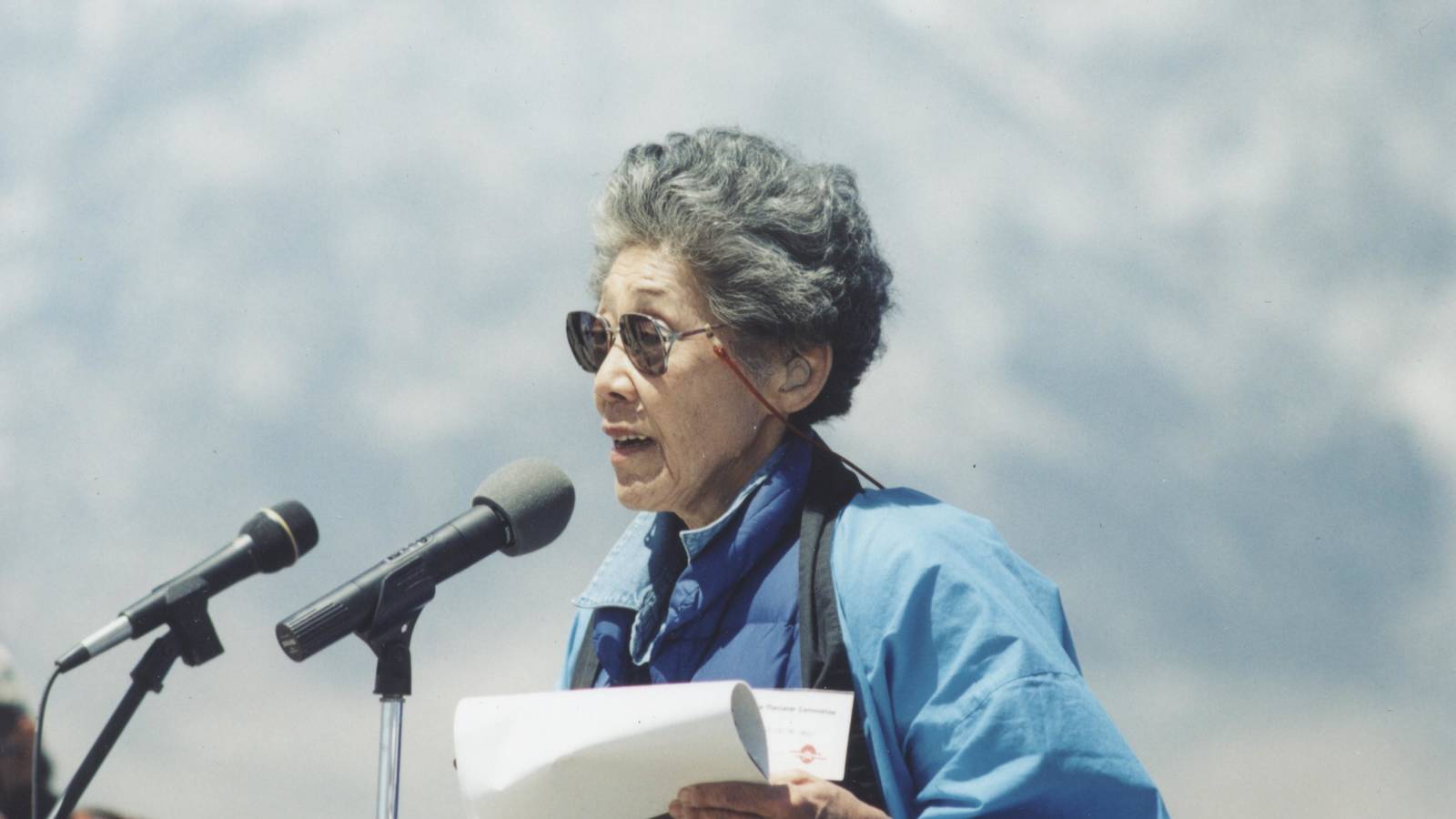
Sue Kunitomi Embrey, who was incarcerated at Manzanar during World War II, dedicated much of her life to the preservation of the site.   camera icon Courtesy of the Manzanar Committee

It took 26 years for Sue Kunitomi Embrey to return to Manzanar, the site of a camp where she and more than 10,000 other people of Japanese descent had been incarcerated during World War II. The site was the first of 10 such camps that the federal government created in the 1940s to forcibly detain innocent U.S. citizens and residents. During the years following the war, Embrey was involved in several political campaigns, but it was only after she attended a pilgrimage to Manzanar in 1969 that she started speaking publicly about her own experience at the camp. The next year, she became the co-chair of the committee that organized the annual pilgrimage, and she spearheaded a campaign to designate Manzanar as a national historic site. After President George H.W. Bush signed the bill establishing the park in 1992, Embrey continued to work with the Park Service to develop the site, and she returned to Manzanar year after year for the pilgrimage. In 2006, at age 83, she listened to the event by phone from her hospital bed. She died two weeks later.

Estella Leopold, Bettie Willard and Vim Crane Wright

Florissant Fossil Beds National Monument, Colorado

Estella Leopold.

camera icon Courtesy of the Aldo Leopold Foundation and University of Wisconsin-Madison Archives

The scientific community had known about the importance of Florissant's delicate fossils of birds, leaves and insects for decades, but the site near Colorado Springs remained unprotected until two women took up the cause in the 1960s. Estella Leopold, a paleobotanist and the daughter of environmentalist Aldo Leopold, and Bettie Willard, a local scientist and seasonal national park naturalist, teamed up and convinced a Colorado senator to introduce a bill to create a Florissant national park site. As the bill was being debated in Congress, the two women learned that developers had bought land located in the proposed site and planned to build a residential community there. Leopold and Willard enlisted lawyers to ask for a federal injunction and recruited local birder Vim Crane Wright. Wright had been fascinated by a presentation by Leopold on Florissant's bird fossils, and she decided to lie in front of the bulldozers to prevent them from destroying the site and buy some time. It worked. The federal circuit court granted a temporary injunction, which was sufficient for the bill to pass Congress and be signed by President Richard Nixon in August 1969. According to Polly Welts Kaufman's book, "National Parks and the Woman's Voice," when Wright reflected on her activism, she said her ultimate motivation was the protection of the fossil birds. "In some way this is my offering to the birds," she said. "It was to me inconceivable that anyone would desecrate the burial grounds of these creatures."

Virginia Donaghe McClurg

Mesa Verde National Park, Colorado

Virginia McClurg played a major role in the creation of Mesa Verde National Park, even though she ended up advocating instead for a state park.   camera icon Colorado College Special Collections and Colorado Springs Pioneers Museum

It was on assignment as a reporter for the New York Daily Graphic in 1882 that Virginia McClurg first visited Mesa Verde's cliff dwellings. She was hooked. She returned four years later with a guide and a photographer and made it a personal mission to both promote the Ancestral Puebloan ruins and advocate for their protection, delivering lectures from Denver to Paris. A founder of the Colorado Cliff Dwellings Association, she helped build a road to the ruins and led a tour of Mesa Verde for anthropologists and scientists, impressing on them how valuable the site was and how urgent it was to protect it. McClurg initially advocated for the creation of a national park, but she eventually changed her stance, pushing instead for a state park that would be run by her association. In 1906, President Theodore Roosevelt signed the law creating Mesa Verde National Park, and even though McClurg eventually opposed the designation, the protection of the ruins owed much to her publicity and advocacy efforts.

Roxanne Quimby

Katahdin Woods and Waters National Monument, Maine

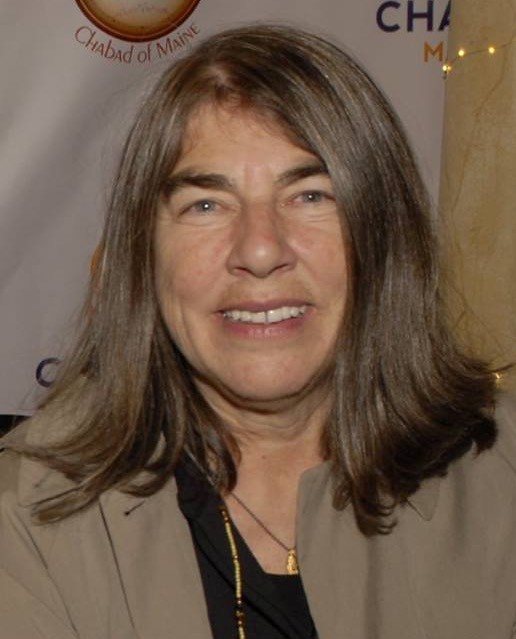
Roxanne Quimby.

camera icon Courtesy of Lucas St. Clair/Elliotsville Plantation.

For years, Roxanne Quimby used her personal fortune to acquire large tracts of Maine's North Woods, a unique ecosystem harboring moose and Canada lynx. The co-founder of Burt's Bees, a personal care products company, had a dream: donate the land for the creation of a national park. Quimby and her son Lucas St. Clair enlisted the help of others, including NPCA, to advocate for the new park. After seeing that a majority of Mainers supported the designation, the Obama administration obliged, and on Aug. 24, 2016, one day before the Park Service's 100th birthday, Katahdin Woods and Waters National Monument became the country's 413th national park site.

Susan Priscilla Thew

Sequoia National Park, California

Susan Priscilla Thew with her husband Hugh Parks.   camera icon National Park Service photo.

When 35-year-old Susan Thew visited Sequoia National Park for the first time, the park had existed for nearly three decades, but only at a fraction of its current size. The Ohio native was awed by the towering sequoias. After she learned of various projects to expand the park, she decided to document the high country east of the park, covering hundreds of miles of difficult terrain. She thought that if the American people could see the area's stunning landscapes, they'd realize the need to preserve them. So she produced a book, "The Proposed Roosevelt-Sequoia National Park," a collection of photographs depicting the High Sierra. "If you are weary with the battle, either of business or the greater game of life, and would like to find your way back to sound nerves and a new interest in life, I know of no better place than the wild loveliness of some chosen spot in the High Sierra in which, when you have lost your physical self, you have found your mental and spiritual re-awakening," she said. Not only would Thew's advocacy help triple the park's acreage in 1926, it served as a model for Ansel Adams whose photographs helped convince Congress to create Kings Canyon National Park.

Maxine Johnston

Big Thicket National Preserve, Texas

Maxine Johnston at a longleaf pine planting event at Big Thicket National Preserve in 2018.

camera icon Angela Gonzales/NPCA

Efforts to protect the Big Thicket date back to the 1920s when the oil and timber industries threatened to obliterate this hotspot of biodiversity in East Texas, but the campaign to create a national park there picked up in 1964 with the creation of the Big Thicket Association. Maxine Johnston, who was working as a librarian at nearby Lamar University, joined the association and soon helped create a Big Thicket museum, edited and distributed newsletters and took people on tours of the Thicket. In 1972, she took over as president of the association. Over the next couple of years, she made several trips to Washington, D.C., to testify before Congress for the creation of a national park in the Thicket. Following the efforts of Johnston, the rest of Big Thicket Association and other groups such as the Texas League of Women voters, Big Thicket National Preserve was established in 1974. Johnston continued to advocate for the protection of Big Thicket and push for the park's expansion, which was secured in the 1990s. She received NPCA's Marjory Stoneman Douglas Citizen Conservationist of the Year award in 1996, and now in her early 90s, she continues to work on behalf of Big Thicket. "I'm so optimistic when I look around and see all the young, enthusiastic faces that volunteered," she said at a longleaf pine planting organized by NPCA and others in 2018. "We need the next generation to take ownership of the work and do everything they can to protect this treasured place."

PEO Sisterhood

Great Sand Dunes National Park and Preserve, Colorado

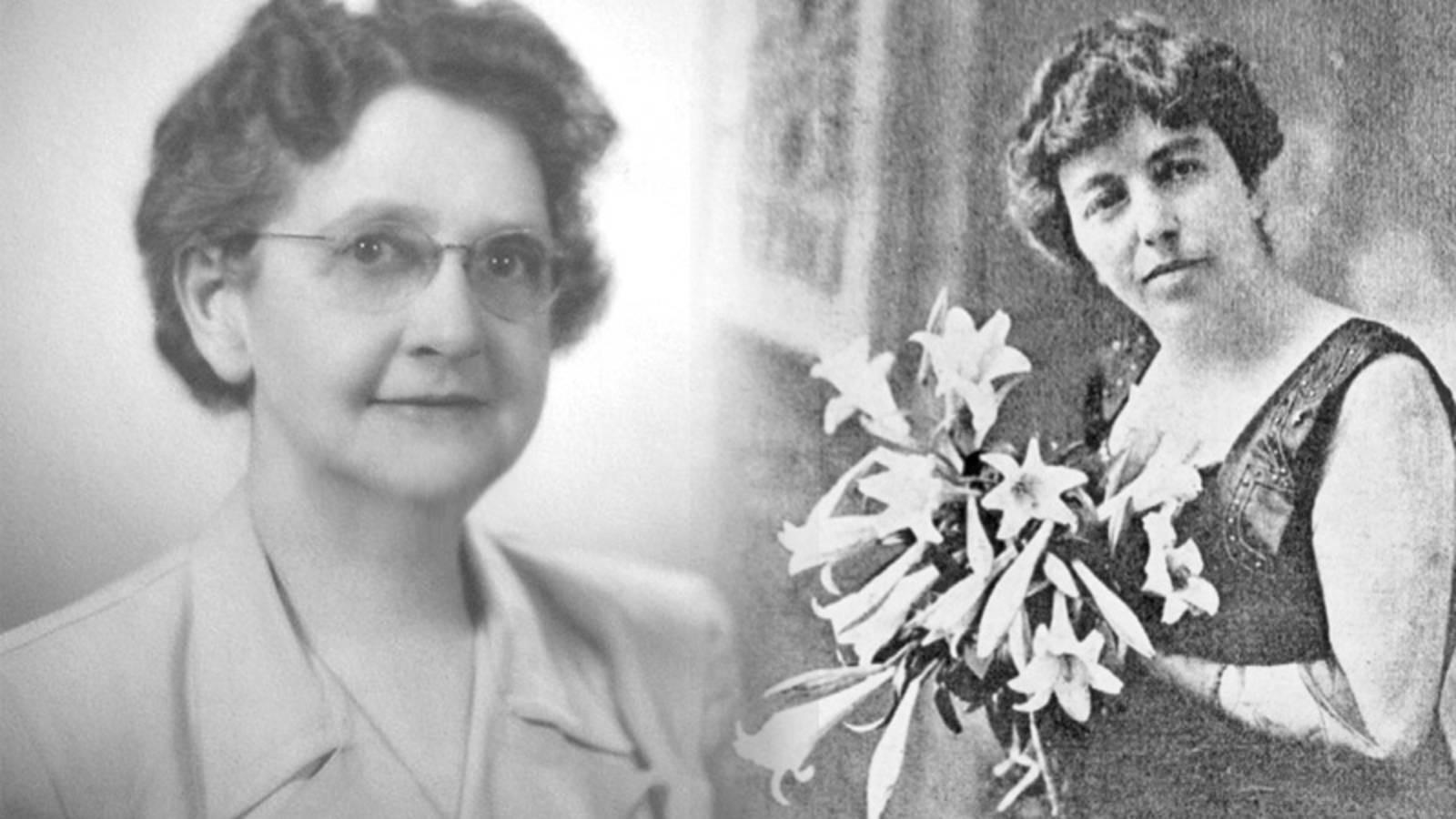
Jean Corlett (left) and Myrtle Woods (right) are two members of the local chapters of the PEO Sisterhood who successfully lobbied for the creation of Great Sand Dunes National Park.   camera icon Courtesy of the National Park Service

Three local chapters of the PEO Sisterhood (known today as the Philanthropic Educational Organization), an international organization of college women, joined forces to advocate for the protection of the United States' tallest dunes. The club members lobbied Colorado's politicians and encouraged citizens to write letters of support to the state's congressional delegation. Jean Corlett nudged her husband George, the lieutenant governor, to convince the Colorado legislature to support protection of the dunes. The activists also persuaded Rep. George Hardy to plead their case with Park Service Director Horace Albright, who particularly appreciated an article about skiing on sand that they had sent along. Their perseverance paid off. On March 17, 1932, President Herbert Hoover designated the Great Sand Dunes National Monument, which was redesignated as a national park and preserve in 2000.

Bernice Gibbs Anderson

Golden Spike National Historical Park, Utah

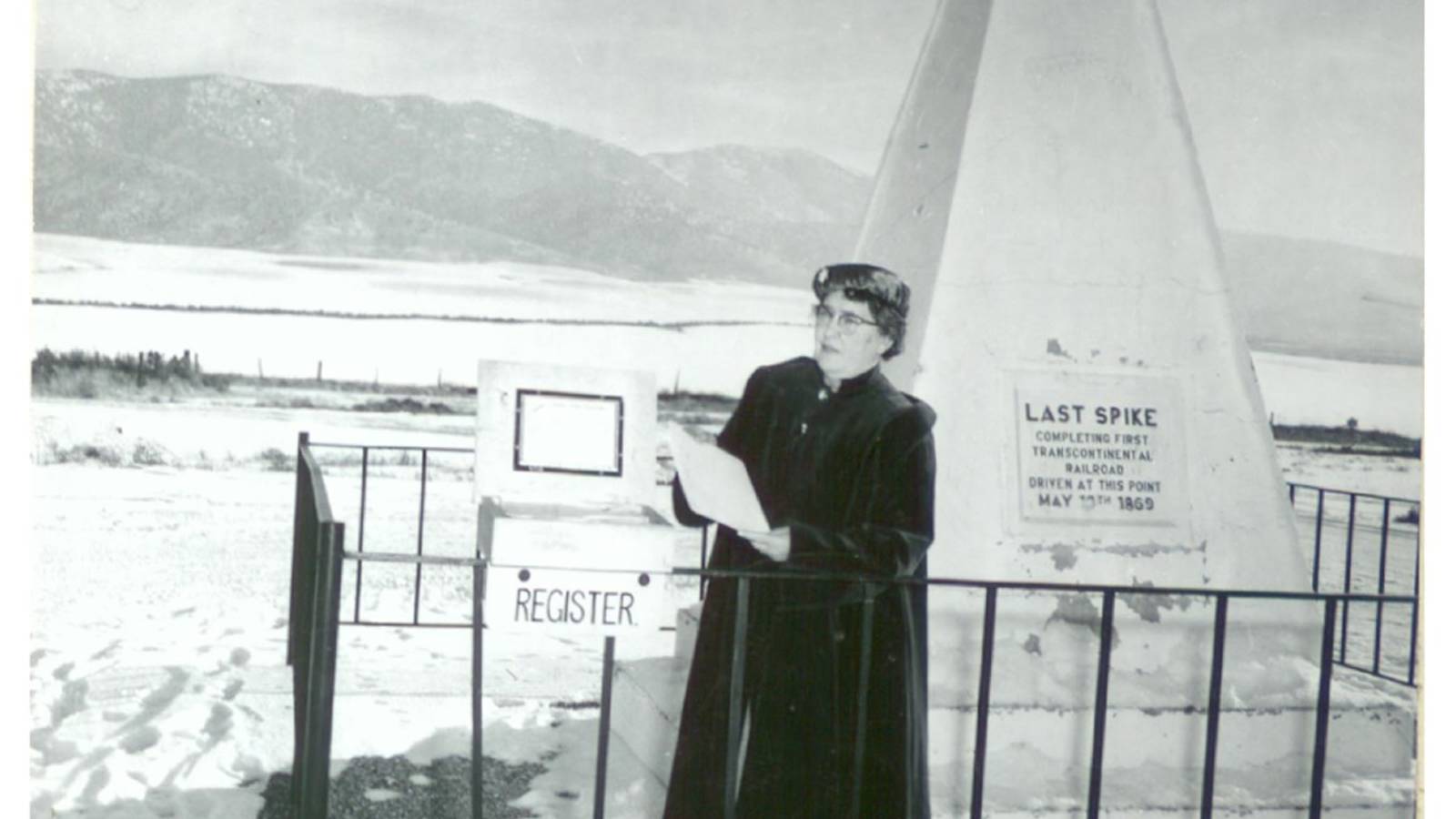
Bernice Gibbs Anderson.

 
camera icon NPS

Not far from where Bernice Gibbs Anderson grew up in northern Utah, the first transcontinental railroad was completed in 1869, and Anderson couldn't understand why the location of this extraordinary logistical feat wasn't protected. So from the 1920s to the 1960s, Anderson, a correspondent for the Salt Lake Tribune and a mother of six, wrote almost 3,000 articles, press releases and letters to Park Service officials, members of Congress and presidents. For years, her appeals were ignored. At the 1957 anniversary of the railroad completion, she said the site was "sacred soil" yet its future remained uncertain. "Will it take its rightful place in the heritage and traditions of America, preserved and protected by a grateful government, or will it remain desolate and forgotten to sink into oblivion," she asked. A few years later, Anderson's decades-long campaign finally bore fruit. Golden Spike National Historic Site was authorized in 1965. The site was redesignated as a national historical park in 2019, a couple of months before the 150th anniversary of the railroad completion.

Catherine Filene Shouse

Wolf Trap National Park for the Performing Arts, Virginia

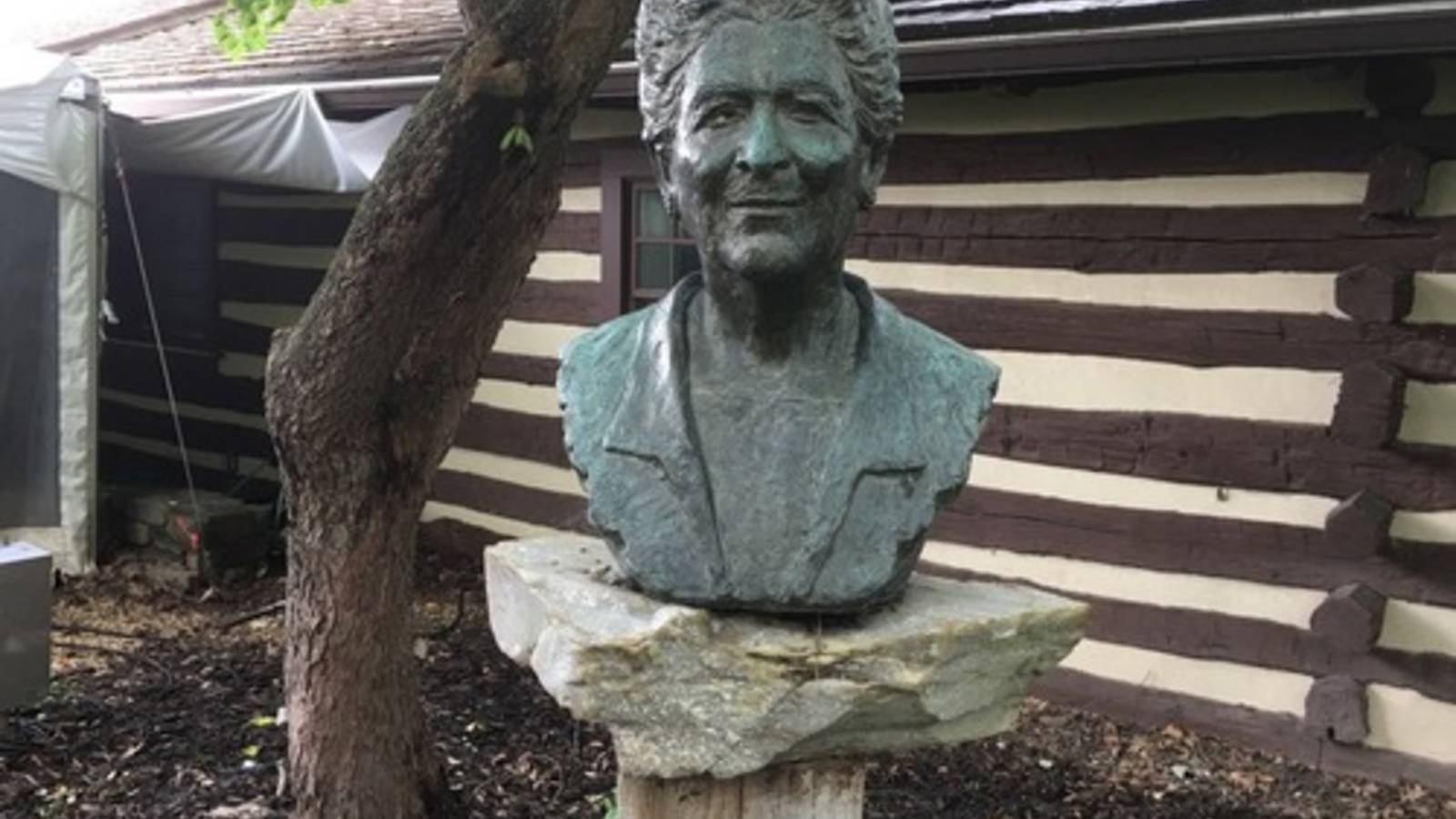
Bust of Catherine Filene Shouse.

 
camera icon NPS

When a new highway bisected Catherine Filene Shouse's Wolf Trap farm outside of Washington, D.C., she envisioned a new future for the rural haven she and her family had enjoyed for decades. A longtime patron of the arts, Shouse imagined Wolf Trap as an outdoor center for the performing arts that would be managed by the Park Service. The first reaction from a Park Service official was less than enthusiastic, so Shouse went straight to Interior Secretary Stewart Udall. He was convinced and immediately put his Park Service director on the case. Shouse not only donated the land for the park but added funds for construction of an amphitheater. Within two years, Congress passed the bill that authorized the creation of Wolf Trap National Park for the Performing Arts. Shouse's involvement didn't stop there. She oversaw the building of the amphitheater, and she continued to raise funds and donate some of her own money to the park to add new performance spaces and help rebuild the amphitheater, which burned to the ground in 1982.


~A.

The Tiny Beach Town Of Stonington Borough In Connecticut That You'll Want To Visit

The Tiny Beach Town Of Stonington Borough In Connecticut That You'll Want To Visit
STAY AWAY!  It's so nice w/o tourists......
https://www.onlyinyourstate.com/connecticut/tiny-beach-town-ct/

The Tiny Beach Town In Connecticut You've Never Heard Of But Need To Visit

Stonington Borough is the classic New England beach spot. With its bustling harbor and beautiful coastline, you will love visiting this amazing place in Connecticut.

Wander through the harbor area and enjoy watching the boats, or lounge on a pristine beach in this idyllic town. There is much to do and see, but you won't ever feel rushed in this small community that has so much to offer its visitors.

Dubois Beach is a great spot for a family outing. The white sandy beach is clean and little ones enjoy splashing around in the shallow water near the shore.

There is an on-site pavilion at this beach and you won't experience the crowds you might find at more popular and larger state park beaches. There is a fee charged to access duBois beach if you don't have a season pass. The beach is located on Water St., in Stonington.

You will want to pay a visit to the Old Lighthouse Museum offers an insight into the area's seafaring history.

This lighthouse was built in 1840 and has beautiful stone architecture. It guided ships until 1889 when beacons on the harbor breakwaters replaced the need for this light. In 1927, it was opened as the nation's first lighthouse museum and has hosted thousands of visitors. View artifacts, climb the stairs to the top of the tower, and enjoy a picnic on the grassy grounds while you visit. The Old Lighthouse Museum is located at 7 Water St., Stonington, Connecticut.

Explore some of the local nature at the Dodge Paddock Beal Preserve.

The open meadow framed by a rocky sea wall offers a short hiking trail. Check out the rocky shoreline where you might find local sea life such as snails, clams, and other tiny critters. This little piece of undisturbed shoreline can be found at 32 Wall St., Stonington, Connecticut.

Browse the shops in this tiny beach town to find unique items from the local businesses.

Whether you are looking for clothing, jewelry, or gifts there are plenty of shops carrying amazing items for you to browse. A few antique stores are also located in the borough if you enjoy hunting for vintage treasures.

The perfect end to your day in Stonington Borough is a delicious dinner while viewing a stunning sunset. The Breakwater is a waterfront restaurant with a relaxed atmosphere and delicious food.

The Breakwater Tacos with either shrimp, cod, or blackened chicken are full of flavor and a great choice to finish off a beach day. Other favorites include clam chowder, grilled flatbread, steak frites, and shrimp scampi bruschetta. The Breakwater is located at 66 Water St., Stonington, Connecticut.

Perhaps the reason why so many return to Stonington Borough again and again are the awe-inspiring sunsets. If you visit, make sure to stay until the day is done.
For more information on this incredible beach spot, visit the Stonington Borough official website.


~A.

Maharam | Product | Bags | Scamp Bag 001 Black

Love, love this...
Found a picture I saved of it yrs ago...... nice, Maharam!
https://www.maharam.com/products/scamp-bag-by-jasper-morrison/colors/001-black


~A.

Latest Town-By-Town CT Coronavirus Cases As Numbers Rise | Fairfield, CT Patch

Stonington didn't 

Latest Town-By-Town CT Coronavirus Cases As Numbers Rise

Connecticut officials released new details explaining why there was such a spike in coronavirus deaths.

Sixty-nine people have died of the coronavirus in Connecticut and more than 3,000 have been infected. (Shutterstock / angellodeco)

CONNECTICUT — The number of coronavirus deaths reported by the state Department of Public Health rose to 69 Tuesday, up from 36 Monday.

Another 557 residents on Tuesday tested positive for COVID-19, bringing the statewide total to 3,128 cases. And 608 people have been hospitalized thus far.

Explaining the sudden spike in deaths from Monday to Tuesday

In addition to the deaths related to COVID-19 that have been reported to the Department of Public Health (DPH), state officials said Tuesday that the revised numbers include deaths that have been reported to the Office of the Chief Medical Examiner (OCME).

On Tuesday, the OCME provided information on 14 additional coronavirus deaths that occurred March 17 to 29. There were 16 coronavirus deaths March 30 and three March 31. Moving forward, deaths reported to the either the OCME or DPH will be included in the daily COVID-19 update, state officials said.


Nursing home testing results

Among 216 nursing homes in CT, 30 (14%) have had at least one confirmed case of COVID-19. A total of 85 nursing home residents with laboratory-confirmed COVID-19 cases have been identified. Of those, 42 (49%) were hospitalized and 11 (13%) have died.


Town-by-town numbers

Towns reporting the most cases include: Stamford, 401, Norwalk, 302, Danbury, 223, Greenwich, 149, and Westport, 120.

Towns still reporting no cases include: Andover, Barkhamsted, Brooklyn, Canaan, Canterbury, Chaplin, Colebrook, Hampton, Hartland, North Canaan, North Stonington, Plainfield, Putnam, Salem, Scotland, Sprague, Sterling, Union, Warren and Waterford.

These are coronavirus cases by community:

Andover 0
Ansonia 17
Ashford 1
Avon 10
Barkhamsted 0
Beacon Falls 3
Berlin 11
Bethany 1
Bethel 37
Bethlehem 4
Bloomfield 11
Bolton 2
Bozrah 1
Branford 19
Bridgeport 86
Bridgewater 2
Bristol 9
Brookfield 58
Brooklyn 0
Burlington 5
Canaan 0
Canterbury 0
Canton 1
Chaplin 0
Cheshire 18
Chester 1
Clinton 7
Colchester 2
Colebrook 0
Columbia 2
Cornwall 1
Coventry 4
Cromwell 5
Danbury 223
Darien 69
Deep River 3
Derby 9
Durham 1
East Granby 1
East Haddam 2
East Hampton 3
East Hartford 21
East Haven 13
East Lyme 2
East Windsor 2
Eastford 1
Easton 4
Ellington 2
Enfield 24
Essex 2
Fairfield 40
Farmington 15
Franklin 1
Glastonbury 12
Goshen 1
Granby 1
Greenwich 149

Griswold 1
Groton 2
Guilford 5
Haddam 1
Hamden 47
Hampton 0
Hartford 65
Hartland 0
Harwinton 4
Hebron 3
Kent 5
Killingly 2
Killingworth 1
Lebanon 2
Ledyard 2
Lisbon 2
Litchfield 3
Lyme 1
Madison 11
Manchester 23
Mansfield 1
Marlborough 2
Meriden 24
Middlebury 7
Middlefield 1
Middletown 19
Milford 17
Monroe 8
Montville 2
Morris 1
Naugatuck 9
New Britain 27
New Canaan 41
New Fairfield 30
New Hartford 3
New Haven 121
New London 2
New Milford 35
Newington 26
Newtown 33
Norfolk 1
North Branford 5
North Canaan 0
North Haven 9
North Stonington 0
Norwalk 302
Norwich 2
Old Lyme 1
Old Saybrook 5
Orange 7
Oxford 11
Plainfield 0
Plainville 7
Plymouth 2
Pomfret 1
Portland 3
Preston 1

Prospect 4
Putnam 0
Redding 16
Ridgefield 77
Rocky Hill 17
Roxbury 2
Salem 0
Salisbury 3
Scotland 0
Seymour 13
Sharon 3
Shelton 46
Sherman 4
Simsbury 7
Somers 4
South Windsor 9
Southbury 13
Southington 19
Sprague 0
Stafford 17
Stamford 401
Sterling 0
Stonington 2
Stratford 31
Suffield 9
Thomaston 7
Thompson 1
Tolland 9
Torrington 20
Trumbull 17
Union 0
Vernon 11
Voluntown 1
Wallingford 10
Warren 0
Washington 10
Waterbury 75
Waterford 0
Watertown 7
West Hartford 20
West Haven 38
Westbrook 2
Weston 29
Westport 120
Wethersfield 15
Willington 1
Wilton 49
Winchester 2
Windham 2
Windsor 20
Windsor Locks 4
Wolcott 5
Woodbridge 6
Woodbury 5
Woodstock 3


How Stress Affects Your Body and Techniques to Reduce It

How Stress Affects Your Body and Techniques to Reduce It

How Stress Affects Your Body

By Dr. Mercola

Among all the factors contributing to poor health and early death, is perhaps the most pernicious. In bygone days, the stress response was a lifesaving biological function, enabling us to run from predators or take down prey.

But today, we are turning on the same "lifesaving" reaction to cope with fear of public speaking, difficult bosses and traffic jams. The sheer number of stress-inducing situations that face us on a daily basis can make it difficult to turn the stress response off.

As a result, you may be marinating in corrosive stress hormones around the clock, and this can have serious consequences, from adding stubborn fat to your belly to elevating your blood pressure and triggering a heart attack.1,2

To give you a quick overview, when you experience acute stress — be it real or imagined, as your body cannot decipher the difference — your body releases stress hormones (such as cortisol) that prepare your body to either fight or flee the stressful event.

Your heart rate increases, your lungs take in more oxygen, your blood flow increases, and parts of your immune system become temporarily suppressed, which reduces your inflammatory response to pathogens and other foreign invaders.

When stress becomes chronic, your immune system becomes increasingly desensitized to cortisol, and since inflammation is partly regulated by this hormone, this decreased sensitivity heightens the inflammatory response and allows inflammation to get out of control.3

Inflammation, in turn, is a hallmark of most diseases, from diabetes to heart disease, and cancer. Elevated cortisol levels also affect your memory by causing a gradual loss of synapses in your prefrontal cortex.4

Stress may even trigger the onset of dementia. In one study,5 72 percent — nearly three out of four — Alzheimer's patients had experienced severe emotional stress during the two years preceding their diagnosis.

Stress as a Factor in Polycystic Ovarian Syndrome

As noted in a recent article by Chris Kresser,6 stress can also be a factor in polycystic ovarian syndrome (PCOS), a condition caused by elevated androgens, i.e. male sex hormones, which can affect a woman's menstrual cycles, fertility, weight, and more.

This may be especially true if you:

  • Undereat and overtrain to improve your physique
  • Do not have cystic ovaries
  • Your weight is normal or below normal and you do not struggle with insulin resistance

The article goes into far greater detail on the hormonal cascade that ultimately can lead to PCOS, but in summary, stress triggers your body to produce a number of hormones, starting with adrenocorticotropic hormone (ACTH), which stimulates your adrenal glands to produce stress hormones such as cortisol and adrenaline.

ACTH also triggers the production of adrenal androgen hormones, including androstenedione, which is one of the two primary androgenic hormones causing PCOS symptoms in

Chronic Stress Can Elevate a Woman's Male Sex Hormones

It has been my clinical experience that insulin resistance plays a major role in PCOS, and that restriction of nonfiber carb to less than 50 grams per day can dramatically help. Nevertheless, stress also has an important role.

As noted in the featured article:

"[W]omen who are under chronic stress not only have more opportunities for elevated ACTH and thus elevated androgens, but their hormones may also start to react more severely to stressful situations.

Don't get me wrong: there are plenty of women whose PCOS is caused by a poor diet, inadequate exercise, too many refined carbohydrates and sugars, and a generally unhealthy lifestyle.

But if you're breaking your back trying to follow the perfect low-carb Paleo diet, going to CrossFit five to six days per week, and finding yourself gaining weight, losing your menstrual function, growing hair in weird places, developing adult acne ...

[O]r simply feeling like a truck hit you every morning you wake up, it may be chronic stress causing your physical symptoms and hormonal imbalances."

Why Stress Packs on Pounds

Weight gain and/or difficulty losing weight in general is a common problem associated with stress. What's worse, stress-induced weight gain typically involves an increase in belly fat, which is the most dangerous fat for your body to accumulate as it increases your risk for cardiovascular disease.

Stress alters the way fat is deposited because of the specific hormones and other chemicals your body produces when you're stressed. For example, recent research7 shows that chronic stress stimulates your body to produce betatrophin — a protein that blocks an enzyme that breaks down body fat.

As reported by the Epoch Times:8

" ... [M]ouse models experiencing metabolic stress produced significantly more betatrophin, and their normal fat-burning processes slowed down markedly.

Such observations are significant because they shed new light on the biological mechanisms linking stress, betatrophin, and fat metabolism ... The results provide experimental evidence that stress makes it harder to break down body fat."

Developing Resilience May Lessen the Impact of Stress

Clearly, stress is an inescapable part of life — but it's important to understand that it is how you deal with it that will determine whether it will translate into health problems later on. As noted in a recent article about stress in The New York Times,9 the stress reaction should dissipate as quickly as possible after the perceived danger has passed.

The scientific term for this is resilience — "the ability of your body to rapidly return to normal, both physically and emotionally, after a stressful event." Some people are naturally more resilient than others, and researchers have long pondered the reasons why.

One speculation is that people who are more resilient have learned to listen to their body. In one experiment, elite adventure athletes and Special Forces soldiers were placed in a brain scanning machine while wearing a face mask that made it difficult to breathe once the researcher pressed a button.

What they discovered was that these people were able to closely monitor the signals from their body indicating rising panic, and suppress their physical response. Quite simply, they were acutely aware of their biological stress response, but didn't overreact.

The same test was later administered on "normal" people, who had first completed a questionnaire to gauge their self-perceived resilience. Those whose scores suggested high resilience had brain activity very similar to the former group — the soldiers and elite athletes.

Those with low resilience scores on the other hand, reacted in the converse way. As reported by The New York Times:

"As their face masks threatened to close, they displayed surprisingly little activity in those portions of the brain that monitor signals from the body. And then, when breathing did grow difficult, they showed high activation in parts of the brain that increase physiological arousal.

In effect, they paid little attention to what was happening inside their bodies as they waited for breathing to become difficult — and then overreacted when the threat occurred.

Such brain responses would undermine resilience, the scientists concluded, by making it more difficult for the body to return to a calm state ... Improving internal communications with our bodies may be as simple as spending a few minutes each day in focused breathing, Dr. Haase said.

Quietly pay attention to inhaling and exhaling without otherwise reacting, she said. Over time, this exercise should 'teach you to have a change in breathing when anxious but be less attached to that reaction,' Dr. Haase said, 'which may help to improve your reaction in a stressful situation.'"

Breath Work May Reduce Stress and Help You Develop Greater Resilience 

There are many breathing techniques out there — virtually all of which can help you get in touch with your body and soothe your mind. One of my personal favorites is the 4-7-8 breathing exercise taught by Dr. Andrew Weil,10 who recommends using it "whenever anything upsetting happens — before you react," and "whenever you are aware of internal tension." I learned it several years ago when I attended one of his presentations at Expo West in California.

The key to this exercise is to remember the numbers 4, 7 and 8. It's not important to focus on how much time you spend in each phase of the breathing activity, but rather that you get the ratio correct.

You can do this exercise as frequently as you want throughout the day, but it's recommended you don't do more than four full breaths during the first month or so of practice. Later you may work your way up to eight full breath cycles at a time. If you commit to it, I believe you'll be pleasantly surprised by how quickly and easily it can center and relax you. Here's how it's done:

  • Sit up straight and place the tip of your tongue up against the back of your front teeth. Keep it there through the entire breathing process
  • Breathe in silently through your nose to the count of 4
  • Hold your breath to the count of 7
  • Exhale through your mouth to the count of 8, making an audible "whoosh" sound. That completes one full breath
  • Repeat the cycle another three times, for a total of 4 breaths (after the first month, you can work your way up to a total of 8 breaths per session)

Exercises to Counteract Breathing-Induced Stress

Besides making you more aware of your physical or internal state, breathing exercises can also help counteract breathing-induced stress. If you're chronically stressed, and have poor posture to boot, you're likely apt to breathe high in your chest, and this kind of breathing can actually trigger the stress response, or keep you locked in it. As noted in a related CNN Health article:11

"When you feel tense and anxious, the sympathetic fight-or-flight aspect of your nervous system turns on, quickening your breathing and increasing your heart rate, blood pressure and stress hormone production.

Uncontrolled, rapid, chest-oriented respiration feeds your fight-or-flight response and can actually initiate your sympathetic nervous system — even if no other stress factors are present — locking you in a state of breathing-induced stress."

In this article, Dana Santas, a yoga trainer for a number of different athletic teams, offers the following two breathing exercises:

1. Turn sighs of frustration into exhales of relief. "[W]hen you find yourself sighing in frustration, take the cue from your autonomic nervous system to turn those sighs into exhales of relief. It's a simple way to tap your parasympathetic nervous system and avoid boiling over."

For this exercise, inhale through your nose for a count of 5, and exhale as if you're sighing with relief, out of your mouth, for a count of 7 (or longer). Repeat for at least 90 seconds.

2. Breathe away tension. Stress-induced breathing reduces the function of your diaphragm and reinforces poor posture, which in turn can lead to pain, loss of mobility and migraines. Proper breathing can help restore the function of your diaphragm, improve posture, and reduce pain.

For this exercise, lie on your back or sit in a chair. Relax your shoulders and place your hands on the lower part of your ribs. As you breathe in, feel your ribs expanding outward, moving your hands further away from each other. When exhaling, engage and squeeze your core muscles to completely empty your lungs. Pause there for a moment before your next inhale.

Conquer Your Stress With Energy Psychology

Besides breathing exercises, there are many other helpful stress management tools. Another favorite is the Emotional Freedom Techniques (EFT). It's an energy psychology tool that can help reprogram your body's reactions to everyday stress, thereby reducing your chances of developing adverse health effects.

It's similar to acupuncture, which is based on the concept that a vital energy flows through your body along invisible pathways known as meridians. EFT stimulates different energy meridian points in your body by tapping them with your fingertips, while simultaneously using custom-made verbal affirmations. This can be done alone or under the supervision of a qualified therapist.12

By doing so, you reprogram the way your body responds to emotional stressors. Since these stressors are usually connected to physical problems, many people's diseases and other symptoms can improve or disappear as well.

For a demonstration, please see the video above, featuring EFT practitioner Julie Schiffman. For serious or deep-seated emotional problems, I recommend seeing an experienced EFT therapist, as there is a significant art to the process that requires a high level of sophistication if serious problems are to be successfully treated.

Other Stress Management Techniques

Stress is so widespread as to be "pandemic" in today's modern world, but suffering ill effects from stress is not an inevitable fact. A lot depends on how you respond to these day-to-day stresses. And as you learn how to effectively decrease your stress level, your health will improve as well.

There are many different stress reduction techniques. The key is to find out what works best for you, and stick to a daily stress-reduction program.

One key strategy is to make sure you get adequate sleep, as sleep deprivation dramatically impairs your body's ability to handle stress and is yet another risk factor for heart attack. Besides that, other stress management approaches include the following:

Regular physical activity

Meditation: Taking even 10 minutes to sit quietly, such as during work breaks, can help decrease your feelings of stress and anxiety

Mindfulness training

Yoga: Health benefits from regular yoga practice have been shown to decrease stress, improve sleep and immune function, and reduce food cravings, among other things

Social connectedness

Laughter and levity

Spend time in nature

Music

Schedule time to have fun

Aromatherapy


~A.