Wednesday, February 04, 2015

3 Sources of Antibiotics That Threaten Human Health

3 Sources of Antibiotics That Threaten Human Health

Three Sources of Antibiotics That Threaten Human Health

By Dr. Mercola

Antibiotic resistance is a serious threat facing all of us today, and there's plenty of blame to go around. Overall, modern science, especially veterinary medicine, has done a miserable job when it comes to predicting the outcome of its actions.

According to Dr. Cyril Gay, the senior national program leader at the United States Department of Agriculture's (USDA) Agricultural Research Service:

"The loss of antibiotics due to antimicrobial resistance is potentially one of the most important challenges the medical and animal-health communities will face in the 21st century."

Antibiotic resistance has also been declared "an increasingly serious threat to global public health that requires action across all government sectors and society" by the World Health Organization (WHO).

Antibiotic overuse is rampant. Inappropriate use and negligent disposal of antibiotics is also a major part of the problem. Three of the primary sources of antibiotics entering the environment, the human food chain, and the human body are:

  • Medicine
  • Agriculture (both livestock and produce)
  • Pharmaceutical processing plants dumping drugs into wastewater

Antibiotics are a foundational component of modern medicine, without which many of our current treatment modalities and medical procedures become exceedingly dangerous.

Due to overuse, bacteria are becoming increasingly resistant to these drugs, and even "simple" infections like urinary tract infections can become lethal. It's also exceedingly costly.

What farmers are saving on the front end by using antibiotics instead of costlier alternatives, Americans pay for on the back end, via exorbitant health care costs. As noted by Scientific American:

"[R]esearchers estimate that antibiotic resistance causes Americans upwards of $20 billion in additional healthcare costs every year stemming from the treatment of otherwise preventable infections."

Antibiotics in Agriculture

In the US, animals raised in confined animal feeding operations (CAFOs) are routinely fed low doses of antibiotics to make them grow fatter, faster, and to prevent disease associated with crowded and unsanitary living conditions.

This appears to be one of the primary driving factors when it comes to the development of antibiotic-resistant bacteria. According to CDC statistics, two million Americans are infected with antibiotic-resistant bacteria each year, and at least 23,000 of them die as a result of those infections.

A recent report, commissioned by the British government, estimates that by the year 2050, drug-resistant disease cause more than 10 million deaths and cost the global economy $100 trillion!

Even the US Food and Drug Administration (FDA) acknowledges that antibiotic-resistant disease can be spread via ingestion or contact with contaminated foods. Despite this knowledge, the FDA has opted not to ban the use of antibiotics in agriculture.

Last year, the agency issued updated guidance on agricultural antibiotics, recommending that pharmaceutical companies voluntarily relabel certain antibiotics,6, reserving them for use in sick animals only, with a prescription from a licensed veterinarian.

Aside from the fact that they're leaving it up to pharmaceutical companies to be the heralds of change—a change that will reduce the drug companies' income, there are other glaring loopholes. As noted by Scientific American:

"[S]ome worry that the FDA's action doesn't go far enough, given that farmers will still be able to administer antibiotics to their livestock for disease prevention.

The fact that more and more livestock operations are switching over to Animal Feeding Operations (AFOs) whereby animals are confined in crowded enclosures (instead of allowed to graze at pasture) means that antibiotics will play an increasingly important role in disease prevention."

US Meat Production Uses More Antibiotics Than Ever

The US uses nearly 30 million pounds of antibiotics each year to raise food animals.9,10 This accounts for about 80 percent of all antibiotics used in the US.

Moreover, according to the most recent FDA report, antibiotic usage INCREASED by 16 percent between 2009 and 2012, and nearly 70 percent of the antibiotics used are considered "medically important" for humans.

A 2013 paper by the Center for Science in the Public Interest (CSPI) titled "Antibiotic Resistance in Foodborne Pathogens," report that between 1973 and 2011, there were 55 antibiotic-resistant foodborne outbreaks in the US. More than half of these outbreaks involved pathogens resistant to five or more antibiotics!

In my view, these are highly compelling reason to switch to organic, grass-fed (pastured) varieties, as growth promoting drugs such as antibiotics are not permitted in organic farming.

Antibiotic Resistance Promoted via Drug Manufacturing Process

Forbes Magazine recently featured an article on the topic of antibiotic resistance, noting that the drug manufacturing process itself may also be a major contributor to drug resistant bacteria in the environment.

During the drug manufacturing process, significant quantities of antibiotics are flushed out into wastewater, which then find its way into rivers, drinking water, and agricultural crop lands. Many drug companies have located their manufacturing facilities in countries where production costs are low, such as China and India.

According to Forbes:

"Patancheru, near Hyderabad, India, has a treatment plant that receives wastewater from 90 pharmaceutical companies which discharge 400,000 gallons daily. This effluent from manufacturing is combined with domestic wastewater. In India, only 24 percent of domestic waste undergoes treatment.

Researchers from Sweden have studied the area around Hyderabad for a number of years, publishing a series of reports since 2007. They found a number of drugs contaminating the water, some in concentrations higher in the water than in patients' blood.

The worst was pollutant was ciprofloxacin, with concentrations up to 31 mg/L and in only one day totaling "44 kg, which is equivalent to Sweden's entire consumption over 5 days, or, expressed in another manner, sufficient to treat everyone in a city with 44,000 inhabitants."

These researchers also found that the effluent was toxic to many organisms, and that it promoted resistance genes.
Almost two percent of DNA samples from downstream sites sampled had resistance genes" [Emphasis mine]

Aside from direct ingestion, contaminated wastewater also finds its way onto crop fields via irrigation and sludge (biosolids) used as fertilizer. In this way, drug resistant genes are spread throughout the environment. The spread is by no means contained in any way. According to a 2008 CDC report, E.coli bacteria resistant to multiple drugs have even been found in the Arctic; brought there by migrating birds... How can we even begin to address these issues?

As noted by Forbes:

"Clearly, this will require a multi-pronged approach. Besides the need to control agricultural misuse, a major area that requires urgent attention is the need for improved sanitation globally...

We also need better regulation of industrial waste and strengthening and enforcement of whatever environmental protections are available. Amy Pruden, Joikim Larsson, et. al. have an excellent overview
of management options, ranging from wastewater and biosolid treatment, to limiting agricultural and aquacultural use, and the use of alternatives to antibiotics. One thing individuals can do is to educate about safe drug disposal..."

Researchers to Determine Role of Farm Practices in Rise of Superbugs

The farm industry has long denied or downplayed its role in drug-resistant disease, but scientists are now inching closer to determining exactly how the livestock industry's misuse of antibiotics contributes to human disease. As reported by Reuters:

"Researchers at Colorado State University are rolling out a series of projects to track antibiotic-resistant bacteria in the livestock industry, in an attempt to determine whether farm practices are fueling the rise of "superbugs." Using a $2.25 million grant from the US Department of Agriculture, the scientists will focus on the DNA of these bacteria to help identify and trace back where such organisms become drug-resistant. 'We're trying to answer the question, 'Are agricultural production systems truly affecting human health by increasing antimicrobial resistance?' said veterinarian Paul Morley, a professor of epidemiology and infection control at Colorado State University, Fort Collins."

A recent Frontline News documentary also investigated the role of large scale meat production as a primary breeding ground of drug-resistant bacteria. According to their investigation, meat may be a source of potentially lethal infections—not simply because you're eating antibiotics and therefore building resistance, but also because the meat may be tainted with drug-resistant bacteria that can cause acute disease if the meat is improperly handled or undercooked. Previous research has suggested you have a 50/50 chance of buying meat tainted with drug-resistant bacteria when shopping at your local grocery store.

One example given is drug-resistant urinary infections, which are on the rise. If the antibiotics fail to wipe out the bacteria, the infection can progress to your kidneys, which allows the bacteria access to your blood. The result is sepsis, which kills 40,000 Americans each year. Using state of the art genome sequencing, researchers have compared E.coli samples found on supermarket meat with E.coli samples collected from patients with drug-resistant urinary tract infections, genetically linking more than 100 urinary tract infections to tainted supermarket meat products.

Why Were Warnings Not Heeded Decades Ago?

As reported by The Atlantic, we had foreknowledge that using antibiotics for growth promotion in animals was a bad idea, but industry interests won over concern for human and environmental welfare:

"Dr. Stuart B. Levy... author of the book The Antibiotic Paradox: How the Misuse of Antibiotics Destroys Their Curative Powers... has been warning about this impending disaster for nearly 40 years, a couple of decades after farmers discovered that putting small amounts of antibiotics in the animals' feed resulted in increased growth. Even back then, a study led by Levy found that chickens developed resistance to the antibiotic tetracycline at a rapid pace–within a week, the animals had resistant bacteria in their gut.

Months later, the stubborn bugs had spread to untreated chickens and even the farmers. And it didn't stop there: Those resistant bacteria also became resistant to other antibiotics that the chickens hadn't even consumed. 'Antibiotics used anywhere creates antibiotic resistance, and that resistance doesn't stay in that environment,' Levy says. And resistance is transferrable among bacteria of different types."

Antibiotics Also Contribute to Obesity

While antibiotic-resistant disease is perhaps the most acute danger of antibiotic overuse, it also has more insidious and hard to prove consequences on human health. We now know that antibiotics alter the microbiome—the microbial composition in your gut—which can result in obesity and any number of other health problems. It's also worth recalling that antibiotics are used in livestock to promote weight gain.

As previously stated by the Ontario Ministry of Agriculture and Food:

"Continuous, low-dose administration of an antibiotic can increase the rate and efficiency of weight gain in healthy livestock. The presence of antibiotics likely changes the composition of the gut flora to favor growth. Debate is ongoing as to how gut flora are changed; change may simply be a reduction in numbers, a change in species composition or a combination of the two… Some antibiotics may also enhance feed consumption and growth by stimulating metabolic processes within the animal."

If low dose antibiotics make animals fatter, why would we assume the effect on humans would be any different? A recent paper in the New England Journal of Medicine, authored by Dr. Tine Jess, MD discusses the scientific evidence linking antibiotics and obesity. For example, mice exposed to subtherapeutic doses of antibiotics early in life suffered "lasting effects on body composition owing to alteration of the intestinal microbiota." Studies suggest there may be a critical window of time, right before and after birth, when exposure to antibiotics can cause long-term alterations in body composition.

According to Dr. Jess:

"Male mice whose mothers were treated with penicillin before the birth of the pups and throughout the weaning process had a markedly altered body composition in adulthood, with increased total mass and fat mass, increased ectopic fat deposition, increased hepatic expression of genes involved in adipogenesis, decreased bone mineral content, and increased bone area.  

By contrast, the body composition of adult male mice who had received penicillin after weaning and of female mice who had received penicillin at either phase of development (just before birth or after weaning) was more similar to that of controls. The results suggest that even transient changes to the microbiota caused by limited exposure to low-dose penicillin during a specific time window during development may have a sex-specific long-term effect on body composition."

Your Gut Bacteria and Your Waistline Go Hand-in-Hand

One 2011 study shed light on the mechanisms by which antibiotics can promote obesity. It found that 18 months after antibiotics are used to eradicate H. pylori bacteria, there is a:

  • Six-fold increase in the release of ghrelin (the "hunger hormone") after a meal
  • 20 percent increase in leptin levels (leptin is a hormone produced by fat tissue)
  • 5 percent increase in body mass index (BMI)

Levels of ghrelin should ordinarily fall after a meal to signal your brain that you're full and ready to stop eating; an increase would therefore essentially tell your brain to continue eating, leading to weight gain. Further, the increase in leptin levels is concerning because overexposure to high levels of the hormone can lead to leptin resistance, which means your body is unable to properly hear leptin's signals. The way your body stores fat is a highly regulated process that is controlled, primarily, by leptin. If you gain excess weight, the additional fat produces extra leptin that should alert your brain that your body is storing too much fat and needs to burn off the excess.

To do this, signals are sent to your brain to stop being hungry and to stop eating. When you become leptin-resistant, your body can no longer hear these messages -- so it remains hungry and stores more fat. You can also easily become leptin resistant by eating the typical American diet full of refined sugar (particularly processed fructose), refined grains, and processed foods—which, like antibiotics, will upset the balance of bacteria in your gut. Multiple studies have shown that obese people have different intestinal bacteria than slim people, and that altering the microbial balance in your gut can influence your weight. Such research includes but is not limited to the following:

Research by Dr. Martin Blaser found that mice fed antibiotics (in dosages similar to those given to children for throat or ear infections) had significant increases in body fat despite their diets remaining unchanged.28
One  2011 study29 showed that rats given lactic acid bacteria while in utero through adulthood put on significantly less weight than other rats eating the same high-calorie diet. They also had lower levels of minor inflammation, which has been associated with obesity.
Babies with high numbers of Bifidobacteria and low numbers of Staphylococcus aureus – which may cause low-grade inflammation in your body, contributing to obesity – appeared to be protected from excess weight gain in a 2008 study.30 This may be one reason why breast-fed babies have a lower risk of obesity, as Bifidobacteria flourish in the guts of breast-fed babies.
Two studies found that obese individuals had about 20 percent more of a family of bacteria known as Firmicutes, and almost 90 percent less of a bacteria called Bacteroidetes than lean people. Firmicutes help your body to extract calories from complex sugars and deposit those calories in fat. When these microbes were transplanted into normal-weight mice, those mice started to gain twice as much fat.
In 2010, researchers found31 that obese people were able to reduce their abdominal fat by nearly five percent, and their subcutaneous fat by over three percent, just be drinking a probiotic-rich fermented milk beverage for 12 weeks.
Probiotics (good bacteria) have been found to benefit metabolic syndrome, which often goes hand-in-hand with obesity.
Probiotics may also be beneficial in helping women lose weight after childbirth when taken from the first trimester through breastfeeding.

Essential Oils Might Be the New Antibiotics

Fortunately, some farmers and scientists have started investigating various plant extracts, hoping to find alternatives to antibiotic drugs. Essential oils have antimicrobial, antibacterial, and antifungal properties, rendering them useful in various areas of food production. A recent article in The Atlantic discusses the experimental use of essential oils to combat disease and pests. Mounting research also suggests they may be potent enough to address diseases like cancer.

According to The Atlantic:

"Numerous recent studies—including several done by the USDA—have shown great promise in using essential oils as an alternative to antibiotics in livestock. One of their studies, published in October 2014 in the journal Poultry Science, found that chickens who consumed feed with added oregano oil had a 59 percent lower mortality rate due to ascites, a common infection in poultry, than untreated chickens.

Other research, from a 2011 issue of BMC Proceedings, showed that adding a combination of plant extracts—from oregano, cinnamon, and chili peppers—actually changed the gene expression of treated chickens, resulting in weight gain as well as protection against an injected intestinal infection. A 2010 study from Poultry Science produced similar findings with the use of extracts from turmeric, chili pepper, and shiitake mushrooms."

Scientists have also compared the effectiveness of antibiotics versus various essential oils. Rosemary and oregano oil, for example, resulted in the same growth rate in chickens as the antibiotic avilamycin. The oils were effective against pathogenic bacteria as well. Essential oil blends have also been found effective against salmonella in chickens. According to Dr. Charles Hofacre, a professor at the University of Georgia's College of Veterinary Medicine, "There is some strong evidence that [essential oils] are functioning by both an antibacterial action in the intestine and also some have an effect to stimulate the intestinal cells ability to recover from disease more quickly–either by local immunity or helping keep the intestinal cells themselves healthier."

In humans, a combination of thyme and clove essentials oils was found to be as effective against bacterial vaginosis as standard antibiotic treatments. Researchers have also successfully treated staph infection with tea tree oil vapors. An added boon: Essential oils appear to be less likely to cause resistance, for the fact that they contain hundreds of different chemical compounds, which makes bacterial adaptation more difficult.

Healthy Gut Bacteria Cannot Coexist with Antibiotics

Antibiotics can save your life if you develop a serious bacterial infection, but it's important that you resist the urge to ask your physician for a prescription for every infection you come down with, especially viral infections such as the common cold and influenza. Antibiotics are useless against viral infections. Remember that whenever you use an antibiotic, or if you're frequently eating treated animal foods, you're:

  1. Decimating your microbiome, which will need time and proper diet and/or a probiotic supplement to restore rebalance. An unbalanced microbiome can contribute to both obesity and disease
  2. Increasing your susceptibility to developing infections with resistance to that antibiotic -- and you can become the carrier of this resistant bug and even spread it to others

It's quite clear that the foods you eat are a major source of chronic low-dose exposure to antibiotics, so to protect your gut bacteria you need to buy antibiotic-free, organically raised meat and, yes, even produce. Conventionally farmed vegetables are often grown in fertilizer derived from factory-farmed animal waste and sewage sludge, which is yet another source of antibiotic-resistant bacteria.

My bottom-line recommendation is to take decisive action for yourself and your own family, and seek out trusted sources of food that do not use antibiotic pesticides and/or antibiotic growth promoters. Your best bet for finding healthy food is to connect with a local farmer that raises animals according to organic standards, allowing them to roam freely on pasture. Some grocery chains also offer 100% grass-fed meats these days. In the US, the following organizations can help you locate farm-fresh foods:

Weston Price Foundation40 has local chapters in most states, and many of them are connected with buying clubs in which you can easily purchase organic foods, including grass-fed raw dairy products like milk and butter.
Local Harvest -- This Web site will help you find farmers' markets, family farms, and other sources of sustainably grown food in your area where you can buy produce, grass-fed meats, and many other goodies.
Farmers' Markets -- A national listing of farmers' markets.
Eat Well Guide: Wholesome Food from Healthy Animals -- The Eat Well Guide is a free online directory of sustainably raised meat, poultry, dairy, and eggs from farms, stores, restaurants, inns, and hotels, and online outlets in the United States and Canada.
Community Involved in Sustaining Agriculture (CISA) -- CISA is dedicated to sustaining agriculture and promoting the products of small farms.
FoodRoutes -- The FoodRoutes "Find Good Food" map can help you connect with local farmers to find the freshest, tastiest food possible. On their interactive map, you can find a listing for local farmers, CSAs, and markets near you.


~A.

Fwd: A View From The Mezzanine


A View From The Mezzanine

an eclectic look at what's happening inside
The Providence Athenaeum
 
mezzanine-1 2
  February 4, 2015
 

UPCOMING PROGRAM AND SALON
  Let the Salon season commence! And let the mountain goat be your muse, what care you for an Alp-like range of snowy peaks? All the better for clambering and capering! We hope to see you this week - and stay on the alert for next week's enews, when our signature listings of cultural happenings of interest throughout the region will return. 

whipping boyOn Thursday, 2/5 at 7pm, join us for the launch of Allen Kurzweil's new book, Whipping Boy, the Forty-Year Search for My Twelve-Year-Old Bully. Equal parts childhood memoir and literary thriller, Whipping Boy takes Kurzweil from a Swiss boarding school (where he endures horrifying cruelty) to the slums of Manila, from the Park Avenue boardroom of the world's largest law firm to a federal prison camp in Southern California, and features an international cast of unforgettable eccentrics. A scrupulously researched work of nonfiction that renders a childhood menace into an unlikely muse, Whipping Boy is a surreal odyssey born out of suffering, nourished by rancor, tempered by wit, and resolved, unexpectedly, in a breathtaking act of personal courage. Books for sale and signing are made available by our generous friends at the Brown Bookstore.

Christina BevilaquaOur first Salon is Friday, 2/6 from 5-7pm. Athenaeum Director of Programs and Public Engagement Christina Bevilacqua, along with her research assistant Jane'a Johnson, bring us "The Athenaeum Salon: Past, Present, and Future," part 6 of "The Cosmology of Conversation," a series on the history of the salon. Bevilacqua is a 2014-15 as a Community Fellow at Brown's John Nicholas Brown Center for Public Humanities and Cultural Heritage, where she is working with Johnson, a PhD student in Brown's Department of Modern Culture and Media, on a variety of projects focused the history and future of the Athenaeum Salon. Join them for a discussion of their fellowship work, the role of the Salon within the Athenaeum and the larger community, and the ideals and ideas for spring and beyond.
READER SERVICES

my-brilliant-friend-by-elena-ferrante1If you're looking for a book, or in this case books, to get you through the long winter nights, our Publications Coordinator Tina Egnoski suggests the Neapolitan novels, a series—three are currently in translation, a fourth is to be released in September—by Italian writer Elena Ferrante. The story follows the lives of narrator Elena Greco and her friend Lila Cerrullo, young women born into a working-class neighborhood in Naples in the mid-20th century. From childhood to adulthood, their friendship is tested and survives the trials of adolescence, marriage and motherhood. The novels tackle large themes, such as class, feminism, violence and fascism, but the power lies in the personal struggles of these two intriguing and multi-faceted characters. It's a series worth binge-reading!
 
The titles, in order, are: My Brilliant Friend, The Story of a New Name and Those Who Leave and Those Who Stay.
AND SPEAKING OF READING
why loveHere's another book for your to-read list. Our friend and member Robert Koppel just published a new novel, Why Love? It's the the story of Ira Fleckenstein and his crazy family. Inspired by Greek mythology, Yiddish theater, the God particle, and the songs of Burt Bacharach, the hero embarks on a punch-drunk Proustian odyssey. The novel is a love story and the writing of a love story, all rolled into one; full of false starts, dashed plans, deep feeling, raw humor, and triumph. It's the debut book of the newly formed Vitruvian Book Publishing, LLC., a Providence imprint dedicated to the publication of outstanding new works that draw from authors living and writing in Rhode Island. Koppel is the critically acclaimed author of more than a dozen books. His previous novel, The Next Step, tells the story of a Wall Street titan who, losing everything, reinvents himself as a FedEx shipping clerk. In the process, he saves the world and achieves redemption.
THE ATHENAEUM, SOCIALLY

Facebook updates, ephemera  

Follow ProvAth1838 on Twitter conversation 

  young readers, YA lovers


the Contemporaries

Athenaeum Blog library blog

THE ATHENAEUM, AT A GLANCE

Children's Library

Membership

Donations

ABOUT THE ATHENAEUM

The Providence Athenaeum is an independent membership library that opened on Benefit Street in 1838; its antecedent was an earlier library, The Providence Library Company, founded in 1753. We provide books and other materials to all, of any age, who love reading, appreciate literature, and enjoy cultural discovery. Our collections and historic building are maintained in the spirit of its founders in order to enrich the lives of all who enter its granite walls. We're committed to cultural programming and events for adults and children that accentuate the strengths of the collections and mission of the institution. Exhibits are open to the public. Visit our website at here.


ATHENAEUM HOURS
Mon-Thu 9:00am-7:00pm
Fri 9:00am-5:00pm
Sat 9:00am-5:00pm
Sun 1:00pm-5:00pm

UPCOMING HOLIDAY CLOSINGS

Mon 2/16: Presidents' Day
The Providence Athenaeum, 251 Benefit Street, Providence, RI  02903
The Providence Athenaeum
251 Benefit Street
Providence, Rhode Island 

27 Common Things That Prevent Our Happiness

27 Common Things That Prevent Our Happiness

27 Common Things That Prevent Our Happiness

The poet Rumi once said, "Your task is not to seek for love, but merely to seek and find all the barriers within yourself that you have built against it".

The same thing could be said of happiness. Instead of looking outwards for happiness, simply look within at all the ways you are preventing yourself from being happy in this very moment -- and work on letting them go.

To get you started, here are 27 common things that prevent our happiness.

1. Forgetting our inherent worth.

Your worth is not contingent on external factors like your titles, relationship status, financial situation or career. These are just roles you play in life. As a human being, you are inherently worthwhile and whole.

2. Worrying about the future.

When you worry about what might go wrong in your life, you're creating your own personal hell in an otherwise peaceful and beautiful present moment.

3. Comparison.

Mark Twain once said, "Comparison is the death of joy". Instead of comparing yourself to other people, or comparing every restaurant and romantic partner and coffee and holiday you've ever experienced, accept that things are different and remember diversity and contrast make life interesting.

4. A lack of gratitude.

We can become so focused on what we don't have, that we forget to notice what we do have. Pause and appreciate all of the love, beauty, abundance and blessings already in your life, and you may be surprised to realize you are rich beyond measure.

5. Ignoring our heart and intuition.

Most people life a life others expect of them, not a life that is true to themselves -- it's the top regret of the dying. Have the courage to follow your heart's song and trust your intuition. It is your most dependable guide.

6. Being ruled by our ego. Your ego is your social mask and the image you have of yourself -- it's insecure and easily bruised by life's events and other people's opinions. Learn to tap into your soul -- your eternal essence, who you really are underneath all the labels. Unlike your ego, your soul is unconditionally loving, strong, wise and enduring.

7. Comfort zones.

We hold ourselves back from taking risks and going after our dreams because we feel secure, albeit unhappy, in the certainty of our current life. We forget that even our secure circumstances could change at any moment, so in many ways we are no more secure in the 'known' than in the 'unknown'.

8. Living in our heads.

We spend so much time living in our heads instead of being present in the moment. If you catch your mind drifting into problem-solving or worrying mode, trying bringing it back to the present moment by taking a few deep breaths and feeling the sensations throughout your body.

9. Holding onto resentment and anger.

When you refuse to let go of past grievances and practice forgiveness, you are only holding yourself hostage. As Buddha said, "Holding on to anger is like grasping a hot coal with the intent of throwing it at someone else; you are the one who gets burned."

10. Prioritizing things that don't matter.

We spend so much time on things that don't advance our dreams or make us feel fulfilled -- like constantly checking our email or scrolling through social media. Save more of your time and energy for things that progress your life or really light you up.

11. Negativity.

The world is a reflection of your dominant thoughts and feelings. If you constantly focus on your problems, struggles and worries, you will perpetuate the same circumstances again and again. If you start to think in positive terms, you will experience more positive results.

12. Resisting the present moment.

If you are not yet living your ideal life, make peace with this fact while working towards your goals. If you struggle against each day, resenting each task you need to complete, it will drain all your energy leaving nothing left in the tank for you to work towards your dreams.

13. Our interpretations and stories.

We are meaning making machines, and often we read meaning into situations that isn't really there. We assume people are unhappy with us when they're just tired. We assume we're being judged, criticized or excluded when it really isn't the case.

14. Living in the past.

If you cling too tightly to the past and relive the best moments over and over, you may not be making enough room for new beautiful moments and joyful experience to enter your life. Have faith that your life will continually unfold in new wonderful ways.

15. Having no patience.

To everything there is a season. Learn to trust in divine timing more -- believe that you are in the right place doing the right things at the right time.

16. Guilt and shame.

We all make mistakes and act in ways that don't reflect our highest self at times. But that doesn't make us bad people. Forgive yourself, accept yourself, and remember that your actions are not who you are.

17. Waiting for the perfect moment.

We put off our dreams until we feel ready and all of the stars have aligned -- and so we are left waiting year after year. Sometimes you have to jump and build your parachute on the way down. As the Zen proverb goes, "Leap and the net will appear."

18. Limiting beliefs.

We've collected a range of limiting beliefs from our childhood, the media and the status quo. Beliefs like there is a single definition of success, there is such a thing as normal, and we are a certain kind of person. These unhelpful beliefs keep us trapped. Spend some time releasing and replacing them.

19. Putting our happiness on hold.

We put our happiness on hold until a day in the future when we're thinner, wealthier, more successful or have ticked off a suitable number of goals in life. We're forgetting that the journey is all there ever is, and if we can't learn to be happy today, it is unlikely that anything in the future will fill the void in our soul.

20. Fear.

We are terrified of experiencing the feeling of fear and will often do anything to avoid it. While fear can make us uncomfortable, it cannot stop us from moving forward -- unless we let it. Learn to live with the feeling of fear and move ahead anyway.

21. Caring what others think.

We give away so much of our energy, power and inner peace by worrying about what others think about us and our choices. The truth is we can't ever know for certain what other people are thinking -- and they can never experience life from our point of view, so we are the more appropriate expert on ourselves and our decisions.

22. Constant busyness.

Don't mistake making a living with making a life. When life get busy, slow down and reassess. Take a deep breath. Spend one minute doing nothing. Meditate. Make time for things which replenish your well and brighten your soul.

23. Repeating the same mistakes.

As the saying goes, "Insanity is doing the same thing over and over and expecting different results". When something is not working in your life, don't continue to bury your head in the sand -- learn the lesson and make some changes.

24. Letting our emotions consume us.

When a strong negative emotion arises, we often let it take us over completely, losing ourselves in the feeling of anger, pain or jealousy. Learn to observe your hot emotions when they occur, and remember you are separate from and above them; they are not who you are. You can continue to watch them until they fade away.

25. Expectations.

We expect the bus to be on time, the queue to be short, the café to have our favorite salad, and our partner and friends to act in accordance with our every wishes. Try approaching life with more curiosity, acceptance and an open mind.

26. Forgetting your higher purpose.

David Campbell once said, "Discipline is remembering what you want.". Spend time determining your values, your dream life vision and your purpose -- and then use these to guide you each year. Otherwise you will get swept away by the pull of the world and other people's wishes and views.

27. All talk and no action.

You can read all the self-help and success books in the world, attend seminars, go to classes and read articles like this one, but nothing will change in your life until you start putting that knowledge into practice. Stop reading, start doing.

Elyse is a writer and coach at NotesOnBliss.com and the creater of the Beautiful Life Bootcamp eCourse, a 6-week guide to connecting with your soul, creating your desires and daily happiness. For updates and inspiration, sign up now.


~A.

Monday, February 02, 2015

Beware of these 6 common household items that cause cancer

Beware of these 6 common household items that cause cancer

Beware! of these 6 common household items that cause cancer :-/

By Ethan A. Huff

(NaturalNews) Most people probably live under the assumption that their place of dwelling is a safe haven from all the dangers that lurk "out there." But little do they know that many common household products contain deadly chemicals that are known to cause cancer, reproductive harm, birth defects and other health damage. Here's six of the most popular categories to avoid for the safety of you and your family:

1) Air fresheners. They're a staple in many American households, but conventional air fresheners are a hotbed of poisonous substances that could leave you and your loved ones infertile, brain-damaged or chronically ill. Tests conducted by the Natural Resources Defense Council (NRDC) found that most air fresheners contain phthalates, which among other things interfere with male hormone production.

Most air fresheners are also loaded with other cancer-causing volatile organic compounds as well, which interfere with reproduction, respiration and cellular regeneration. A 2008 study conducted by Anne Steinemann at the University of Washington found that all air fresheners tested emitted chemicals known to be carcinogenic, meaning they cause cancer.

Instead of toxic commercial air fresheners, stick with all-natural essential oils, which can be applied to the skin or released into the air from a diffuser.

2) Candles. Similar to commercial air fresheners, many scented candles are also toxic. A study pioneered by the U.S. Consumer Product Safety Commission (CPSC) found that nearly half of all scented candles on the market contain lead wiring in their wicks, which is released into the air upon burning. This lead might make the wicks more stable, but it also leads to hormone disruption, behavioral disorders and various other health problems.

Many candles are also made of paraffin wax which, when burned, generates two highly toxic compounds, benzene and toluene, both of which are carcinogenic. Artificial fragrances and dyes are also present in many scented candles, which when burned end up in your lungs.

3) Art supplies. Cultural enrichment and creativity are both positive aspirations in life, but not when they involve many conventional art supplies. Many of the epoxy materials, glues, acrylic paints and solvents, drawing utensils and other supplies used to create art contain chemicals linked to allergies, organ damage and cancer.

The federal Labeling Hazardous Art Materials Act (LHAMA) requires that all art supplies sold in the U.S. bear warnings if they cause any acute hazards. But manufacturers are not required to provide an ingredients list, which is why it is recommended that users of such supplies purchase only products that are certified by the Art and Creative Materials Institute (ACMI).

ACMI-certified products undergo rigorous evaluations by independent toxicologists to make sure that they are safe for everyone, including small children.

4) Shampoos and conditioners. Toxins in cosmetics is a huge issue today, with many conventional consumer products -- including some labeled as "natural" or "organic" -- containing ingredients like sodium lauryl sulfate that generate cancer-causing byproducts when used. Other carcinogenic additives commonly used in hair care products include polyethylene glycol (PEG) and cocamide DEA.

Safe Cosmetics has put together a list of the safest and most eco-friendly shampoos on the market, which are free of most or all of the chemicals listed in its "Skin Deep" database, which you can access here:
SafeCosmetics.org.

5) Antiperspirant deodorants. Millions of people use them daily to cover up foul body odor and reduce armpit perspiration. But antiperspirant deodorants are a no-go if you want to avoid chemicals like aluminum chlorohydrate, which can absorb directly into the skin and promote the formation of breast cancer. Aluminum from antiperspirants is also believed to contribute to brain diseases like Alzheimer's.

Other toxic additives in antiperspirant deodorants include parabens, a class of artificial preservatives that mimics estrogen in the body and promotes the growth of cancer cells. Parabens are also linked to gastrointestinal damage, nausea and central nervous system depression.

6) Shower curtains. They might help prevent water from spraying all over the floor, but your average plastic shower curtain acts something like a radiator for toxic chemical release. Many shower curtains, it turns out, off-gas harmful chemicals known as volatile organic compounds, or VOCs, that are known to damage the respiratory tract, central nervous system, liver and kidneys.

If your shower curtain has that unique "new shower curtain smell," it is likely releasing deadly chemicals -- potentially upwards of 108 different VOCs, in fact -- that are harming you and your children. For this reason, it is important to stick with only non-toxic, PVC-free shower curtains made without these harmful chemicals.

Some of the best options include shower curtains made from hemp, linen, birch, organic cotton or PEVA, which you can learn more about here:
RonAndLisa.com.

Sources:

http://eatlocalgrown.com

http://www.nrdc.org[PDF]

http://www.theprairiehomestead.com

http://wellnessmama.com

http://www.greenamerica.org

http://www.takepart.com

http://ecowatch.com

http://safecosmetics.org

http://www.watoxics.org

http://ronandlisa.com


~A.

Sunday, January 11, 2015

This Is What Happens When You Drink Water Right After You Get Out Of Bed | Earth. We are one.

This Is What Happens When You Drink Water Right After You Get Out Of Bed | Earth. We are one.

This Is What Happens When You Drink Water Right After You Get Out Of Bed

This Is What Happens When You Drink Water Right After You Get Out Of BedThe current health trend is drinking water immediately after getting out of bed. Scientist have confirmed the medical value of this to be completely beneficial to our health. Drinking water when waking has been linked to curing and prevention of certain disease and ailments such as headaches, body aches, arthritis, heart problems, epilepsy, obesity, tuberculosis, meningitis, kidney disease, vomiting, gastritis, diabetes, constipation, uterine disease, ear and throat disease.

The Method: Upon waking, before doing anything else, drink four 6 ounce glasses or water. Remember if there is some reason you cannot hold this much water at one time, start with as much as you can and increase the amount. Brush your teeth and perform your morning oral hygiene routine, and then wait 45 minutes before eating or drinking anything. After the 45 minutes is up, eat breakfast as usual, and then do not eat or drink anything for 2 hours.

Specific diseases If using the above method, the research shows that the number of days the regimen must be followed to cure each disease. High blood Pressure- 30 days Gastric Problems- 10 days Diabetes- 30 days Constipation- 10 days Cancer-180 days Using this treatment method has no side effects other than increased urination at the beginning of the program.

Drinking water and staying healthy and active are the ways that will better our lives. Both the Chinese and Japanese drink hot tea with their meals instead of cold water. Cold water slows down the digestive process and solidifies the oily foods you have just eaten. Once these solidified oils react with the stomach acid, it is absorbed more quickly by the intestine and lines the intestinal wall. The long-term accumulation of these digested oils can lead to cancer.

Perhaps Western cultures should adopt this practice as there is everything to gain and nothing to lose.  

~A.

Friday, January 09, 2015

Among the Disrupted - NYTimes.com


Among the Disrupted

Credit Joon Mo Kang

Amid the bacchanal of disruption, let us pause to honor the disrupted. The streets of American cities are haunted by the ghosts of bookstores and record stores, which have been destroyed by the greatest thugs in the history of the culture industry. Writers hover between a decent poverty and an indecent one; they are expected to render the fruits of their labors for little and even for nothing, and all the miracles of electronic dissemination somehow do not suffice for compensation, either of the fiscal or the spiritual kind. Everybody talks frantically about media, a second-order subject if ever there was one, as content disappears into "content." What does the understanding of media contribute to the understanding of life? Journalistic institutions slowly transform themselves into silent sweatshops in which words cannot wait for thoughts, and first responses are promoted into best responses, and patience is a professional liability. As the frequency of expression grows, the force of expression diminishes: Digital expectations of alacrity and terseness confer the highest prestige upon the twittering cacophony of one-liners and promotional announcements. It was always the case that all things must pass, but this is ridiculous.

Meanwhile the discussion of culture is being steadily absorbed into the discussion of business. There are "metrics" for phenomena that cannot be metrically measured. Numerical values are assigned to things that cannot be captured by numbers. Economic concepts go rampaging through noneconomic realms: Economists are our experts on happiness! Where wisdom once was, quantification will now be. Quantification is the most overwhelming influence upon the contemporary American understanding of, well, everything. It is enabled by the idolatry of data, which has itself been enabled by the almost unimaginable data-generating capabilities of the new technology. The distinction between knowledge and information is a thing of the past, and there is no greater disgrace than to be a thing of the past. Beyond its impact upon culture, the new technology penetrates even deeper levels of identity and experience, to cognition and to consciousness. Such transformations embolden certain high priests in the church of tech to espouse the doctrine of "transhumanism" and to suggest, without any recollection of the bankruptcy of utopia, without any consideration of the cost to human dignity, that our computational ability will carry us magnificently beyond our humanity and "allow us to transcend these limitations of our biological bodies and brains. . . . There will be no distinction, post-Singularity, between human and machine." (The author of that updated mechanistic nonsense is a director of engineering at Google.)

And even as technologism, which is not the same as technology, asserts itself over more and more precincts of human life, so too does scientism, which is not the same as science. The notion that the nonmaterial dimensions of life must be explained in terms of the material dimensions, and that nonscientific understandings must be translated into scientific understandings if they are to qualify as knowledge, is increasingly popular inside and outside the university, where the humanities are disparaged as soft and impractical and insufficiently new. The contrary insistence that the glories of art and thought are not evolutionary adaptations, or that the mind is not the brain, or that love is not just biology's bait for sex, now amounts to a kind of heresy. So, too, does the view that the strongest defense of the humanities lies not in the appeal to their utility — that literature majors may find good jobs, that theaters may economically revitalize neighborhoods — but rather in the appeal to their defiantly nonutilitarian character, so that individuals can know more than how things work, and develop their powers of discernment and judgment, their competence in matters of truth and goodness and beauty, to equip themselves adequately for the choices and the crucibles of private and public life.

◆

This gloomy inventory of certain tendencies in contemporary American culture — it is not the whole story, but it is an alarmingly large part of the story — is offered for the purpose of proposing an accurate name for our moment. We are not becoming transhumanists, obviously. We are too singular for the Singularity. But are we becoming posthumanists?

No culture is philosophically monolithic, or promotes a single conception of the human. A culture is an internecine contest between alternative conceptions of the human. Which culture is free of contradictions between first principles? This is no less true of religious cultures than of secular ones, of closed societies than of open ones. Popular culture may be as soaked in ideas as high culture: A worldview can be found in a song. Wherever mortal beings are thoughtful about their mortality, and finite beings ponder their finitude, at whatever level of intellectual articulation, there is philosophy. Philosophy is ubiquitous and inalienable; even the discourse about the end of philosophy is philosophy. A culture may be regarded as the sum of all the philosophies, all the reflective approaches to living, that are manifestly or latently expressed in a society. It is a gorgeous anarchy, even if it contains illusions and errors. There are worse things than being wrong.

Within a culture, however, some views may come to prevail over others, for intellectual or social reasons. The war between the worldviews has winners and losers, though none of the worldviews are ever erased and there is honor also in loss. In American culture right now, as I say, the worldview that is ascendant may be described as posthumanism. We have been here before, and not too long ago, but for different reasons. The posthumanism of the 1970s and 1980s was more insular, an academic affair of "theory," an insurgency of professors; our posthumanism is a way of life, a social fate. An important book, a brilliant book, an exasperating book has just been written about the origins of that previous posthumanist moment. In "The Age of the Crisis of Man: Thought and Fiction in America, 1933-1973," the gifted essayist Mark Greif, who reveals himself to be also a skillful historian of ideas, charts the history of the 20th-century reckonings with the definition of "man." Strangely, he seems to regret the entire enterprise. Here is his conclusion: "Anytime your inquiries lead you to say, 'At this moment we must ask and decide who we fundamentally are, our solution and salvation must lie in a new picture of ourselves and humanity, this is our profound responsibility and a new opportunity' — just stop." Greif seems not to realize that his own book is a lasting monument to precisely such inquiry, and to its grandeur. "Answer, rather, the practical matters," he counsels, in accordance with the current pragmatist orthodoxy. "Find the immediate actions necessary to achieve an aim." But before an aim is achieved, should it not be justified? And the activity of justification may require a "picture of ourselves." Don't just stop. Think harder. Get it right. (Why are liberals so afraid of their own philosophy?)

Credit Joon Mo Kang

Greif's book is a prehistory of our predicament, of our own "crisis of man." (The "man" is archaic, the "crisis" is not.) It recognizes that the intellectual history of modernity may be written in part as the epic tale of a series of rebellions against humanism. Humanism has been savaged by theists and atheists, conservatives and progressives, fascists and socialists, scientists and philosophers, though it has also been propounded by the same diversity of thinkers. Who has not felt superior to humanism? It is the cheapest target of all: Humanism is sentimental, flabby, bourgeois, hypocritical, complacent, middlebrow, liberal, sanctimonious, constricting and often an alibi for power. The abusers of humanism, of course, are guilty of none of those sins. From Heidegger to Althusser, they come as emancipators. I think we should emancipate ourselves from their emancipations.

But what is humanism? For a start, humanism is not the antithesis of religion, as Pope Francis is exquisitely demonstrating. The most common understanding of humanism is that it denotes a pedagogy and a worldview. The pedagogy consists in the traditional Western curriculum of literary and philosophical classics, beginning in Greek and Roman antiquity and — after an unfortunate banishment of medieval culture from any pertinence to our own — erupting in the rediscovery of that antiquity in Europe in the early modern centuries, and in the ideals of personal cultivation by means of textual study and aesthetic experience that it bequeathed, or that were developed under its inspiration, in the "enlightened" 18th and 19th centuries, and eventually culminated in programs of education in the humanities in modern universities. The worldview takes many forms: a philosophical claim about the centrality of humankind to the universe, and about the irreducibility of the human difference to any aspect of our animality; a methodological claim about the most illuminating way to explain history and human affairs, and about the essential inability of the natural sciences to offer a satisfactory explanation; a moral claim about the priority, and the universal nature, of certain values, not least tolerance and compassion. It is all a little inchoate — ­human, humane, humanities, humanism, humanitarianism; but there is nothing shameful or demeaning about any of it.

And posthumanism? It elects to understand the world in terms of impersonal forces and structures, and to deny the importance, and even the legitimacy, of human agency. It certainly does not mean, as Greif correctly notes about antihumanism, a "hatred of the human." There have been humane posthumanists and there have been inhumane humanists. But the inhumanity of humanists may be refuted on the basis of their own worldview, whereas the condemnation of cruelty toward "man the machine," to borrow the old but enduring notion of an 18th-century French materialist, requires the importation of another framework of judgment. The same is true about universalism, which every critic of humanism has arraigned for its failure to live up to the promise of a perfect inclusiveness. It is a melancholy fact of history that there has never been a universalism that did not exclude. Yet the same is plainly the case about every particularism, which is nothing but a doctrine of exclusion; and the correction of particularism, the extension of its concept and its care, cannot be accomplished in its own name. It requires an idea from outside, an idea external to itself, a universalistic idea, a humanistic idea. Asking universalism to keep faith with its own principles is a perennial activity of moral life. Asking particularism to keep faith with its own principles is asking for trouble.

◆

Aside from issues of life and death, there is no more urgent task for American intellectuals and writers than to think critically about the salience, even the tyranny, of technology in individual and collective life. All revolutions exaggerate, and the digital revolution is no different. We are still in the middle of the great transformation, but it is not too early to begin to expose the exaggerations, and to sort out the continuities from the discontinuities. The burden of proof falls on the revolutionaries, and their success in the marketplace is not sufficient proof. Presumptions of obsolescence, which are often nothing more than the marketing techniques of corporate behemoths, need to be scrupulously examined. By now we are familiar enough with the magnitude of the changes in all the spheres of our existence to move beyond the futuristic rhapsodies that characterize much of the literature on the subject. We can no longer roll over and celebrate and shop. Every phone in every pocket contains a "picture of ourselves," and we must ascertain what that picture is and whether we should wish to resist it. Here is a humanist proposition for the age of Google: The processing of information is not the highest aim to which the human spirit can aspire, and neither is competitiveness in a global economy. The character of our society cannot be determined by engineers.

"Our very mastery seems to escape our mastery," Michel Serres has anxiously remarked. "How can we dominate our domination; how can we master our own mastery?" Every technology is used before it is completely understood. There is always a lag between an innovation and the apprehension of its consequences. We are living in that lag, and it is a right time to keep our heads and reflect. We have much to gain and much to lose. In the media, for example, the general inebriation about the multiplicity of platforms has distracted many people from the scruple that questions of quality on the new platforms should be no different from questions of quality on the old platforms. Otherwise a quantitative expansion will result in a qualitative contraction. The new devices do not in themselves authorize a revision of the standards of evidence and argument and style that we championed in the old devices. (What a voluptuous device paper is!) Such revisions may be made on other grounds — out of commercial ambition, for example; but there is nothing innovative about pandering for the sake of a profit. The decision to prefer the requirements of commerce to the requirements of culture cannot be exonerated by the thrills of the digital revolution.

And therein lies a consoling irony of our situation. The machines may be more neutral about their uses than the propagandists and the advertisers want us to believe. We can leave aside the ideology of digitality and its aggressions, and regard the devices as simply new means for old ends. Tradition "travels" in many ways. It has already flourished in many technologies — but only when its flourishing has been the objective. I will give an example from the humanities. The day is approaching when the dream of the democratization of knowledge — Borges's fantasy of "the total library" — will be realized. Soon all the collections in all the libraries and all the archives in the world will be available to everyone with a screen. Who would not welcome such a vast enfranchisement? But universal accessibility is not the end of the story, it is the beginning. The humanistic methods that were practiced before digitalization will be even more urgent after digitalization, because we will need help in navigating the unprecedented welter. Searches for keywords will not provide contexts for keywords. Patterns that are revealed by searches will not identify their own causes and reasons. The new order will not relieve us of the old burdens, and the old pleasures, of erudition and interpretation.

Is all this — is humanism — sentimental? But sentimentality is not always a counterfeit emotion. Sometimes sentiment is warranted by reality. The persistence of humanism through the centuries, in the face of formidable intellectual and social obstacles, has been owed to the truth of its representations of our complexly beating hearts, and to the guidance that it has offered, in its variegated and conflicting versions, for a soulful and sensitive existence. There is nothing soft about the quest for a significant life. And a complacent humanist is a humanist who has not read his books closely, since they teach disquiet and difficulty. In a society rife with theories and practices that flatten and shrink and chill the human subject, the humanist is the dissenter. Never mind the platforms. Our solemn responsibility is for the substance.

Saturday, January 03, 2015

idears.....

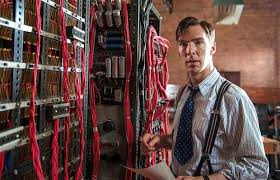
Fwd: The JPT: Imitation Game "Crossword" Party at The Vanderbilt Grace on Friday January 9th

Fun stuff in Newport...


Jane Pickens Theater & Event Center
& The Vanderbilt Grace
invite you to
A Crossword Party
Friday January 9th
5:30pm Party at
The Vanderbilt Grace
with
7:00pm Screening of Imitation Game 
at The JPT

$35 Party/Film Package 
includes:

Admission to reception at The Vanderbilt Grace

One "Enigma" cocktail

Canapés and Dessert
The Menu:

Potato and Monkfish Fritter "Fish and Chips"
Beans on toast
Meat Pie
Cheese Whirls
Scotch Wartime Quickbread

Reserved VIP seating at the screening 
in our nice warm venue

Support for programming at your local art house cinema


Check our website for daily showtimes

The Vanderbilt Grace                                The Jane Pickens Theater & Event Center
41 Mary Street                                                         49 Touro Street
Newport, RI 02840                                                  Newport, RI 02840