Wednesday, May 10, 2023

Can Dragon Fruit Be Eaten At Night -Yes!

Can Dragon Fruit Be Eaten At Night | Iupilon

Can Dragon Fruit Be Eaten At Night
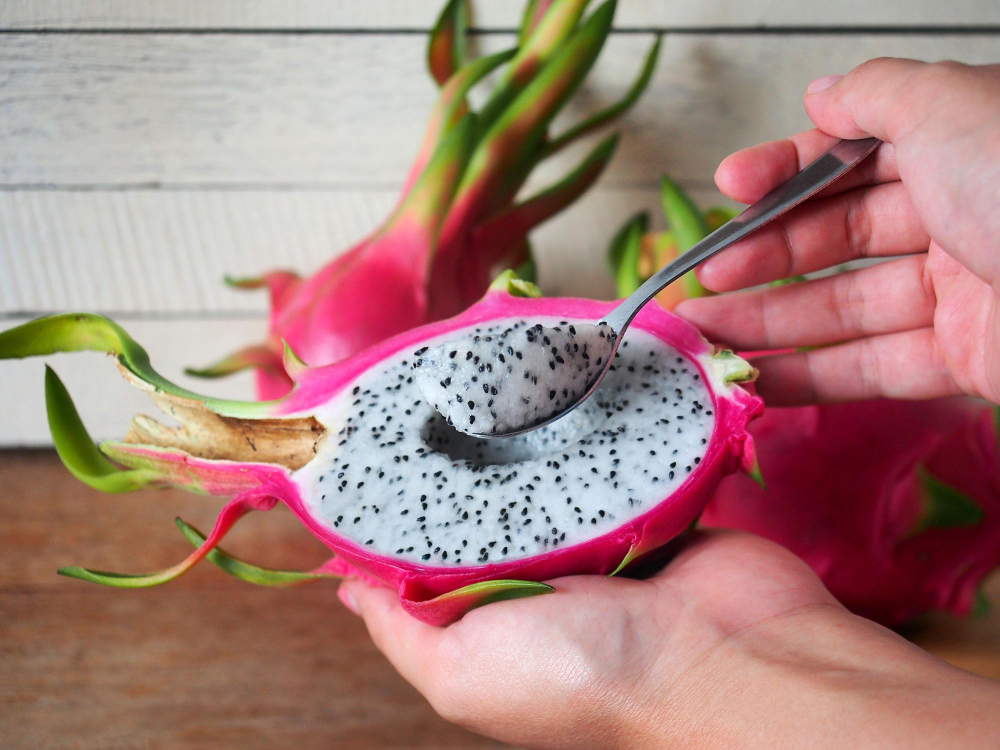
Although most fruits are best when eaten first thing in the morning so that the body can swiftly break down the sugar and supply the body with all the nutrients, dragon fruit may be eaten at any time. Indeed, it promotes restful sleep when consumed in the evening.

Dragon pearl, cactus, and pitaya are a few other names for this exotic fruit. Recent research suggests it may also have health benefits, although most people appreciate it for its unusual appearance and flavor.

The tropical fruit, often known as "dragon fruit," also goes by the names "pitahaya" and "strawberry pear." its bright red skin conceals a sweet, seed-studded pulp. Its unusual appearance and widely-touted superfood capabilities have made it a hit with health-conscious consumers.

Simply put, free radicals are unbalanced chemicals that can damage cells and contribute to inflammation and illness. Consuming antioxidant-rich foods, including dragon fruit, can help with this.

Yet a pitahaya, when sliced open, reveals a deep magenta color within. White Asian cultivars are typically highly tasteless and nutrient-poor. On the other hand, Central American pitayas have a flavor reminiscent of an earthy strawberry or raspberry.

What Is The Best Time To Eat Dragon Fruit?

There's no optimal time to eat this fruit—you can eat it at any time and still gain benefits. Simply put, free radicals are unbalanced chemicals that can damage cells and contribute to inflammation and illness. Eating antioxidant-rich foods like dragon fruit can help with this.

Antioxidants protect cells from damage and inflammation by eliminating harmful free radicals. As a result, antioxidant-rich diets have shown promise in decreasing the risk of chronic diseases like cardiovascular illness, cancer, diabetes, and arthritis.

Problems include asthma and persistent cough. Some of the B vitamins found in dragon fruits are B1, which aids in the digestion of carbohydrates; B2, which aids in healing and improves appetite; and B3, which lowers harmful cholesterol levels and improves skin health.

The high fiber content in dragon fruit aids in maintaining healthy blood sugar levels. It also prevents the sugar surges that can occur after consuming foods high in glycemic index. So, it's safe for diabetics, though it's best to get the OK from your doctor beforehand.

Antioxidants abound in this fruit. It helps neutralize harmful free radicals in the body. When free radicals are diminished, it also aids in delaying the aging process. This results in skin that looks fresh, supple, and toned.

Can I Eat Dragon Fruit After Dinner?

Yes, dragon fruit is acceptable late-night fare. You can indulge in the exotic flavors of this fruit whenever you like, as was said earlier. You probably already know that eating dragon fruit regularly can have a favorable effect on your health and wellness because it is rich in vitamins and nutrients and contains potentially disease-fighting antioxidants.

The dietary fiber found in dragon fruit can aid in weight loss and maintenance for those with type 2 diabetes, which can help keep blood sugar levels stable.

The skin also improves from eating dragon fruit. Potential benefits include attenuating the appearance of blemishes and fine lines and moisturizing and hydrating dry skin. In addition, the fruit's vitamin C plus antioxidants may positively affect the skin. These nutrients may help repair damaged cells over time, giving you a more glowing complexion.

Eating dragon fruit may reduce inflammation and soreness if you endure chronic pain due to rheumatoid arthritis. Because of its anti-inflammatory characteristics, the fruit can alleviate these pains naturally.

No miracle diet will cause your body to lose weight and shape immediately. However, you can do beautiful things for your body with the appropriate diet. For example, snacking on dragon fruit between meals is a good idea because of its few calories.

Does Dragon Fruit Help With Sleep?

Insomnia can be caused by magnesium deficiency; therefore, including dragon fruit in one's diet may assist in enhancing one's ability to sleep. In addition, magnesium has a wide range of health advantages, involving lowering the risk of developing heart disease, reducing feelings of anxiety, and bringing blood pressure down.

Dragon fruit is a favorite among those interested in eating healthy foods because it has a peculiar appearance and is packed with minerals. However, no scientific research currently suggests that the dragon fruit has any exceptional powers above other fruits rich in nutrients.

You have almost certainly heard of probiotics, the beneficial microorganisms that aid in maintaining a healthy digestive system. Prebiotics are essential for forming beneficial gut bacteria, which foods like dragon fruit can feed.

The body weight may benefit from consuming dragon fruit due to its high fiber content. In addition, there is a correlation between eating a diet high in fiber and having a better body weight and a slimmer waistline.

This may help produce a feeling of fullness, which in turn may reduce the total number of calories taken during the day. In addition, eating meals that are high in fiber can assist in maintaining stable blood sugar levels, which can combat cravings.

What Are The Disadvantages Of Dragon Fruit?

Consuming an excessive amount of dragon fruit can adversely affect our bodies, even though dragon fruit is a source of fiber. However, they have many benefits, one of which is that they enhance the health of our digestive system.

However, consuming an abnormally high amount of fiber can negatively impact a person's health. In addition, you may encounter symptoms that make it difficult for you to digest regularly due to the accumulation of gas in your digestive tract.

Not only can eating an excessive amount of dragon fruit cause abdominal pain but doing so causes a significant amount of flatulence. But, of course, this is true of eating an excessive amount of any other fruit as well.

In the end, eating dragon fruit can be beneficial to one's health in several ways, including the prevention of a variety of illnesses. On the other hand, taking an excessive amount of dragon fruit can cause allergic reactions; however, this only occurs in a subset of the population.

Therefore, if you are having problems, you should take a modest amount of extract from dragon fruit and observe the results. Because there are no established protocols for the manufacture of fruit extracts, consuming the fruit in its natural form consistently and using dietary supplements both have the potential to provide varying outcomes over time.



~A.

Sunday, May 07, 2023

Throwing a 'failure party' YIPf-kingYIP!!!

Throwing a 'failure party'

Celebrating success can boost morale, but how about toasting failure? In this excerpt from his book Sparking Success, author Adam Kingl urges leaders to throw their teams a "failure party." Instead of glossing over what isn't working, we can learn from mistakes and clear the way for innovation, says Kingl. The book shows that creative leadership can have the biggest impact, especially when staff are under pressure to overachieve. Discussing failure without criticism also enhances the psychological safety of the team, while leaders can "share directly and obliquely what the boundaries are of acceptable risk," the author concludes.

We know intuitively, however, that without failure, we're unlikely ever to experience dramatic success. And if we don't share failure, our colleagues are more likely to make the same mistakes. Read more on how to move a team's attitude toward failure in the #LinkedinBookClub excerpt from my new book, Sparking Success. 

To shift a team's attitude toward failure requires fostering an environment of vulnerability, where colleagues are comfortable, eager even, to share their learning from every experiment they attempt. One way to do this is for the leader to host a failure party. I hear you guffaw but hear me out. One of the many reasons that Pixar's mantra is always to 'Display' is to invite critique, sharing, building on ideas and socialising what isn't working. A failure party is simply to celebrate that spirit of Display. Colleagues become more comfortable as psychological safety grows to push the boundaries of what they think is possible, knowing that their personal reputation does not depend on inauthentically trying to communicate an aura of omniscience. 

In the failure party, each person in the team who has explored a new avenue, experimented with a hypothesis, tested a prototype or interviewed a stakeholder or customer, and it did not go to plan, would share their activity, the result and, most importantly, the learning. Colleagues may ask questions, can build on the ideas and even pursue avenues that the speaker had not. The one thing that no one must do is belittle or criticise the speaker. Each dialogue ends with the conversation 'what we learned here'. Some leaders of failure parties even toast every speaker when they finish with a ritual, be it ringing a bell or everyone shouting 'Huzzah!!' The speaker's candour, vulnerability and creativity are acknowledged. The 'party' element, which can simply involve refreshment and an informal environment, is proposed in order to put people at ease as quickly as possible. 

The failure party is also a tremendous opportunity for the leader to share directly and obliquely what the boundaries are of acceptable risk. Over time, the team understands explicitly and implicitly what they can try right away and what they need to share first before trying.  

For more on my book 'Sparking Success: Why every leaders needs to develop a creative mindset': https://lnkd.in/eKUyD4kF

Friday, April 28, 2023

Teenage Engineering!!!!!!

omg, their SOUND!!!! - Who knew….?! love, love

https://on.soundcloud.com/nYm2E


not seeing images?
make sure to "display images" in your email client
or
 View in browser


©2021 teenage engineering, textilgatan 31, 120 30 stockholm
unsubscribe

teenage engineering

https://teenage.engineering/

SOOOOOOoO!!!! COOOOOoL!!!!!
Where did there guys gone from?
~A.

Awww, Tucker…….

….keep up the fight,

Thursday, April 27, 2023

Why I'm (Frequently) Tired

ADHD and Sleep Problems: This is Why I'm (Frequently) Tired

Does ADD make you tired? Sleep disturbances caused by ADHD have been overlooked for a number of reasons, including the late age of onset. But recent studies confirm that ADD symptoms do not go away at night. Here, understand the ADHD and sleep link and its most common manifestations. Plus, get tips for winding down quicker, staying asleep longer, and waking up healthier.

Friday, April 07, 2023

Thursday, April 06, 2023

Wednesday, March 22, 2023

Friday, March 17, 2023

All Vaccines Perform…..

All Vaccines Perform Worse Than Natural Immunity Against COVID: Systematic Review and Meta-Analysis

All Vaccines Perform Worse Than Natural Immunity Against COVID: Systematic Review and Meta-Analysis

While it has become a fact that vaccines have performed drastically worse during the Omicron era, a recent meta-analysis accounting for dozens of studies reveals that natural immunity offers better protection against reinfection, symptomatic infections, and severe disease from all COVID-19 variants than all the COVID vaccines. In addition, natural immunity offered the advantage of reducing viral rebound compared with full vaccination.

Natural Immunity Performs Better Against All Variants

Vaccines belong to a group of drugs called prophylactics, meaning that they are meant to prevent disease. However, that classification is not limited to vaccines but also refers to medication, regular health screenings, and when it comes to reinfection, a previous infection.

For a virus like SARS‑CoV‑2 that would inevitably become endemic or as seasonal as the flu, a vaccine with a specific immunogen as a core component could never provide long-term protection, given that the virus is very likely to mutate.

As the jabs are not effective at preventing infection, the promotional narrative has shifted toward marketing a vaccine that can prevent severe disease. We all saw the 95 percent efficacy billboards and the promotion posters urging citizens to get fully vaccinated. For many, getting vaccinated was not a matter of choice, as the alternative would otherwise impede work, school, and even going to the movies or out for dinner.

However, these mandates often overlooked the effectiveness of preventing reinfection and disease progression via a prior infection. A recent large-scale meta-analysis (pdf) shows that a previous infection was quite effective against reinfection, as well as symptomatic or severe disease, using data collected from 56 studies from over 19 countries.

Epoch Times Photo
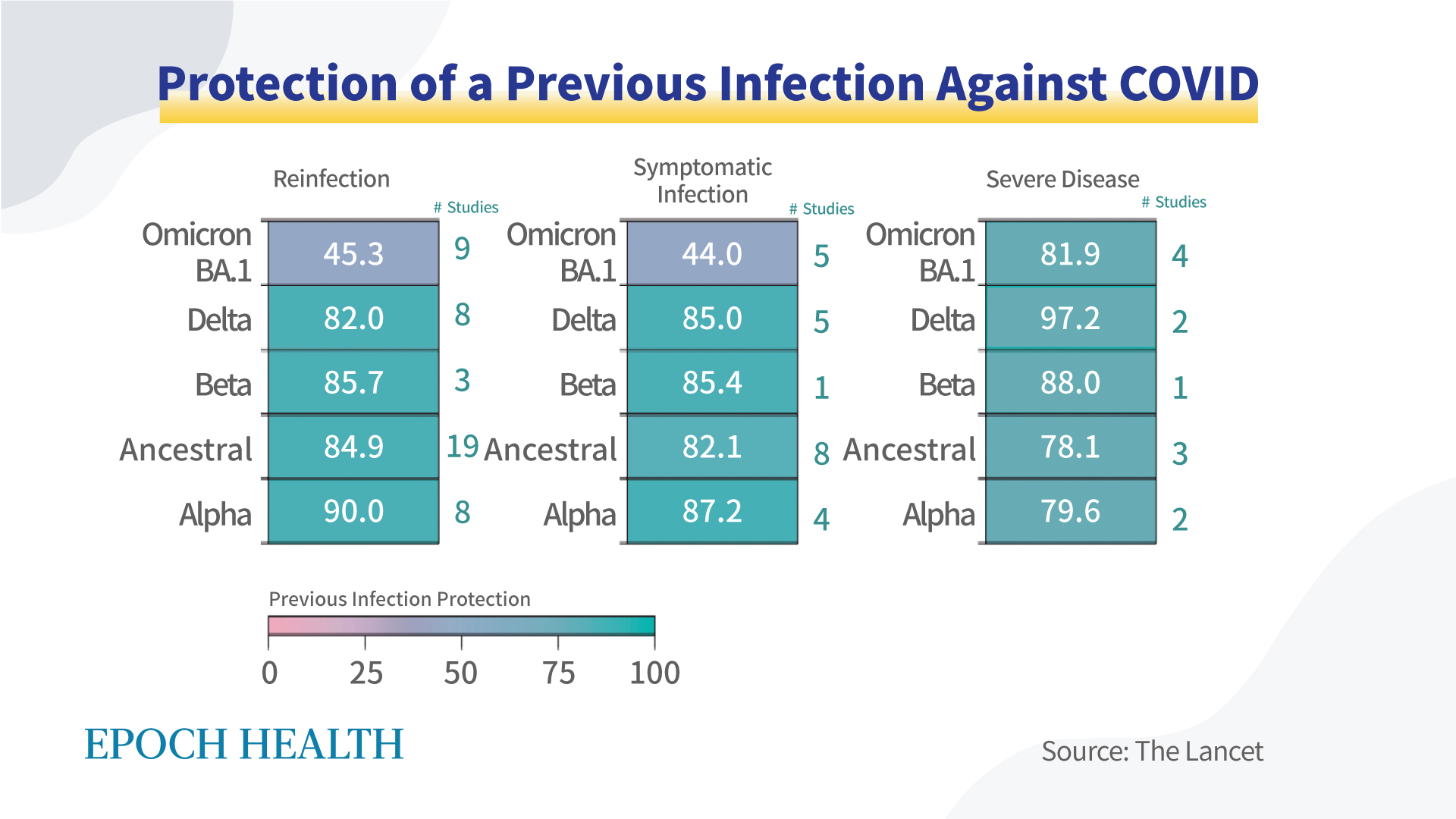
Figure 1. A compilation of over 50 studies shows how effective a previous infection is against COVID. (The Epoch Times)

The data in the above figure indicate that prior infection of COVID offers significantly high levels of protection against reinfection (over 80 percent), symptomatic infection (over 82 percent), and severe disease (over 78 percent) for the original strain and the Alpha, Beta, and Delta variants. The protection effectiveness dropped for Omicron variants, down to 44 percent and 45 percent for reinfection and symptomatic infection. But the effectiveness against severe diseases was still above 80 percent for Omicron.

The data above are just the average protection efficacies calculated from different studies. The significance of the protection effectiveness manifested even more strongly in terms of the slower waning of protection when compared to the protection offered by the various vaccines.

The data above also only describe the average protection efficacy provided by a previous infection. What is more significant is that the protection offered by a previous infection lasts much longer than that of a vaccine. The data in Figures 2–4 below show the comparison of vaccine effectiveness up to 40 weeks following inoculation versus the effectiveness of prior infection up to 80 weeks upon the last infection.

Epoch Times Photo
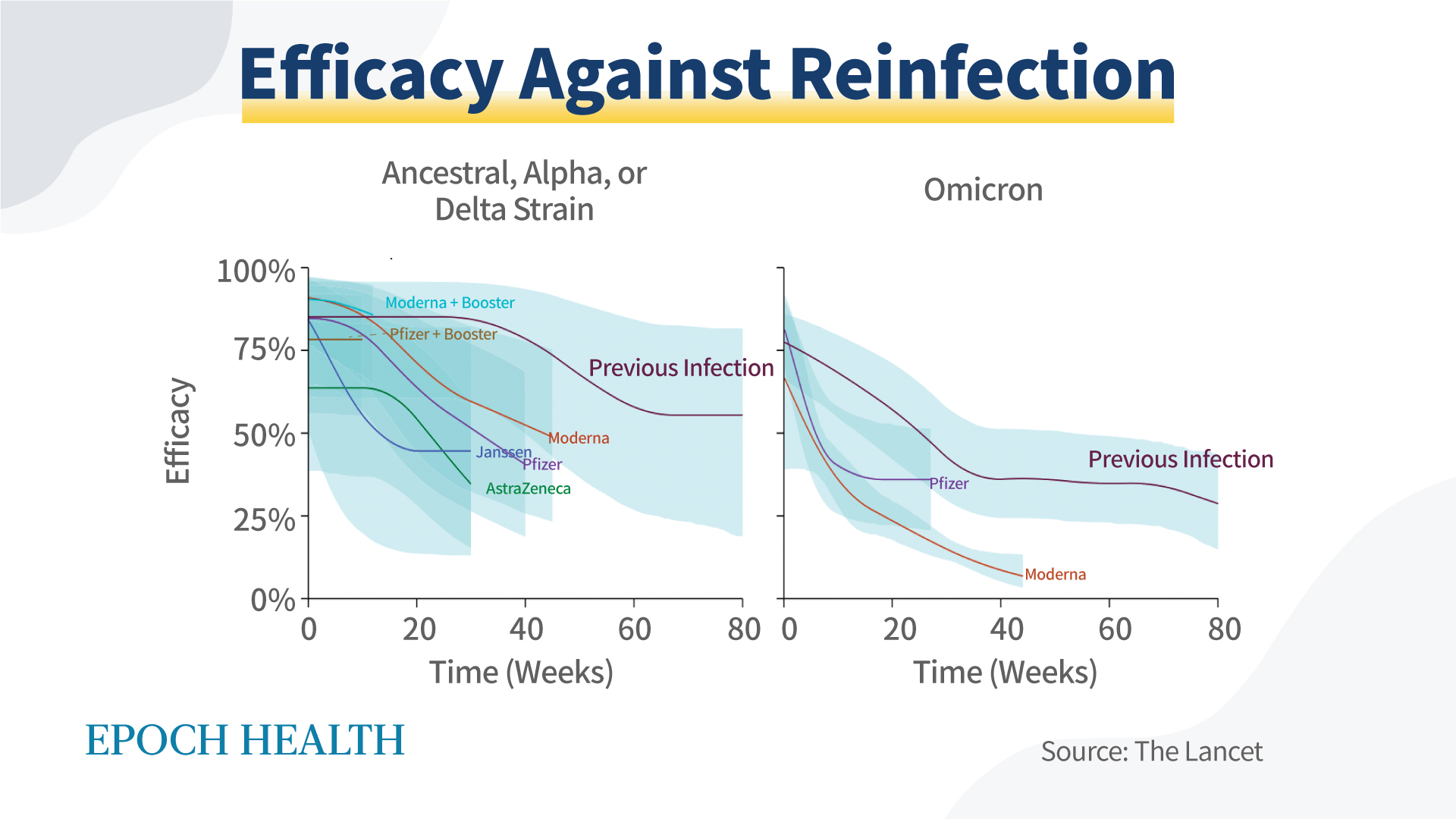
Figure 2. Comparing the efficacy of a previous infection with vaccinations and boosters against reinfection. (The Epoch Times)

The data in Figure 2 compare protection offered by a prior infection with that offered by multiple major vaccines on the market: Pfizer, Moderna, AstraZeneca, Johnson & Johnson, and the mRNA vaccine boosters.

The result shows that the protection offered by a previous infection against reinfection lasts significantly longer at a higher rate compared to many other vaccines as well as their boosters.  Even though the Omicron variant is a game changer for the efficacy of both vaccines and natural immunity, the protection offered by a prior infection still stays above 25 percent 80 weeks after infection while, for example, the efficacy of the Moderna vaccine drops to single digits 40 days after vaccination.

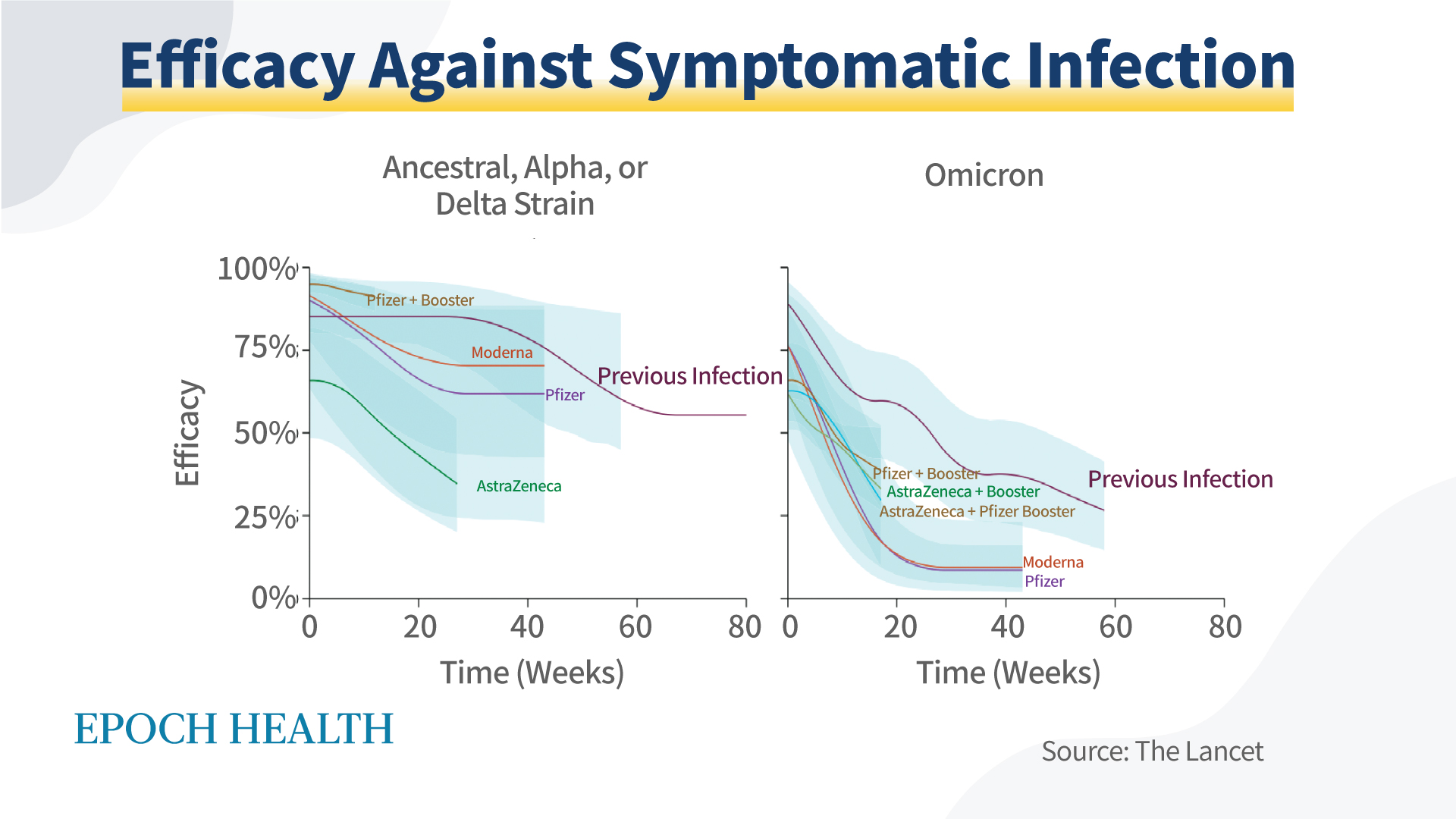
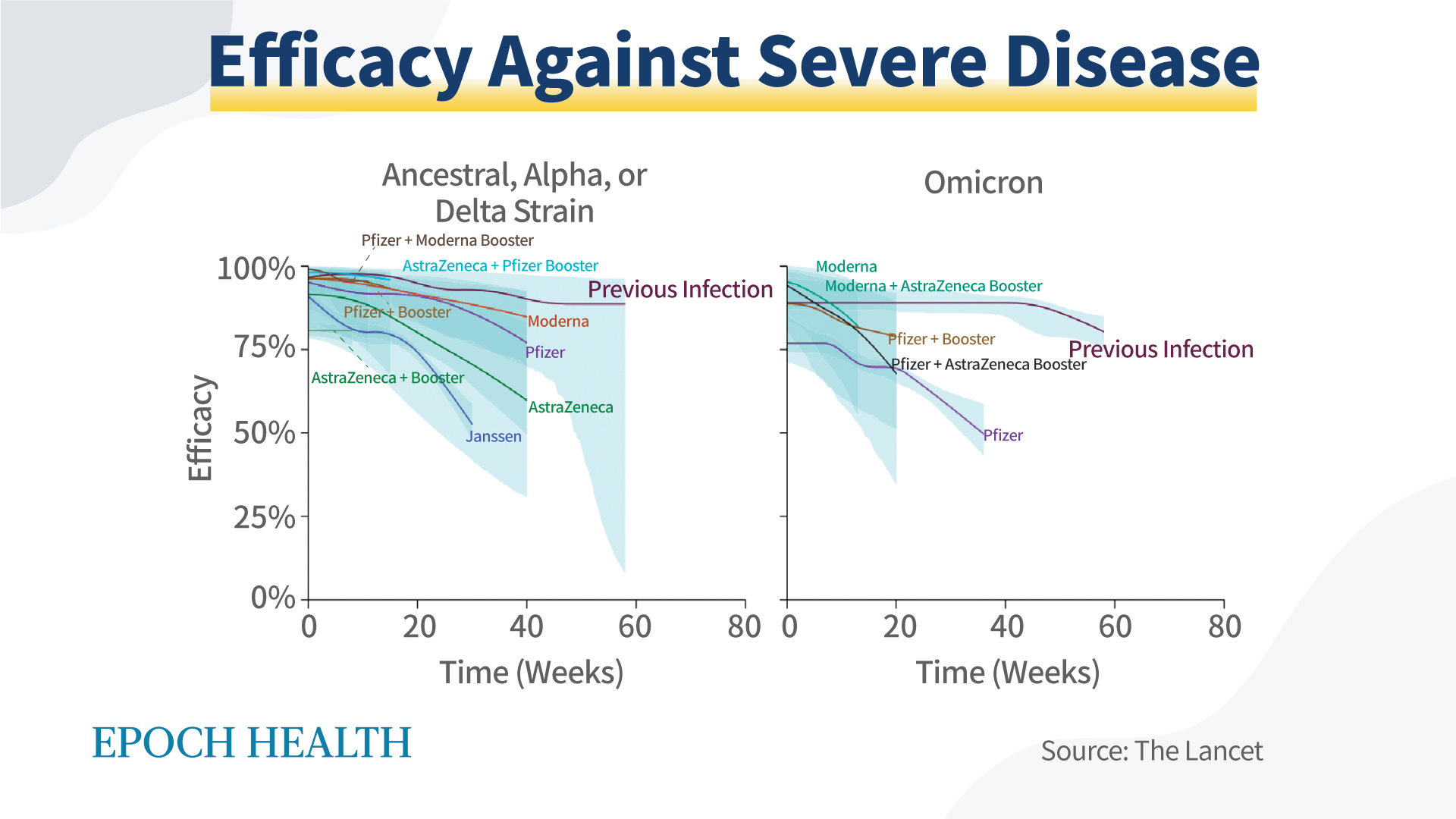
Similar observations are illustrated in the two figures below in terms of protection against symptomatic infection (Figure 3) and severe disease (Figure 4). What this tells us remains unchanged: Natural immunity offers significantly more and longer-lasting protection than any other vaccine or vaccine-booster combination on the market today, for all SARS-CoV-2 variants.

Epoch Times Photo
Figure 3. Comparing the efficacy of a previous infection with vaccinations and boosters against symptomatic infection. (The Epoch Times)
Epoch Times Photo
Figure 4. Comparing the efficacy of a previous infection with vaccinations and boosters against severe disease. (The Epoch Times)

There are some limitations in this meta-data analysis. For example, the study did not specify which viral variant infected the patients who were included in the previously infected group. Another issue with the data is that it does not include enough information on some vaccines like Johnson & Johnson or AstraZeneca. However, the data clearly state that a prior COVID infection is much more effective at preventing reinfection and severe disease than the vaccines are.

The data collected in this meta-data study came from different studies in many countries and were published throughout the past few years. This means at least a few scientists were well aware of how potent natural immunity was, especially after the emergence of Omicron. This meta-analysis simply made the point very clear.

However, the public has observed that pandemic-related public health policies neglected these observations and strongly favored vaccination campaigns, with vaccination mandates for even those protected by natural immunity. For many government health agencies, vaccination appears to be the only source of immunity or protection against COVID considered valid.

In reality, government health agencies have become the strongest marketing and sales agents for Big Pharma's vaccine manufacturers. Is this in alignment with evidence-based medicine and public health? Or might it be driven by commercial interests and an industrial complex?

What the data also show is that Omicron changed the landscape of the pandemic. The efficacy for all vaccines and even prior infection dropped drastically, yet these variants do not really cause severe disease, which is perhaps the silver lining. Until today, we have no idea why waves come and go or how to predict the next variant. The scientific world's understanding of the virus is still rather limited as it is unable to answer crucial questions.

The Virus Rebounds Among the Fully Vaccinated

Vaccines have become an increasingly popular answer to the diseases we face today. However, our understanding of vaccines is rather limited in scope. One example of this is how vaccination is associated with undesired consequences such as adverse events, side effects, negative efficacy, immune exhaustion, etc.

Coming as a bit of a surprise, the latest findings of a Hong Kong study (pdf) show that viral rebound has become another subject of concern among vaccinated who are treated with antivirals.

Viruses are generally considered nonliving entities that rely on the host to replicate. The quantity of virus that is present in the bloodstream, or the viral load, indicates to what degree the virus has infected the host and is usually a sign of how the body is doing against the infection.

Viral loads are measured by cycle threshold, or CT value, which is how many times a machine needs to perform polymerase chain reactions (PCR) on the patient sample such that the virus reaches a certain concentration. In general, a lower CT value indicates a higher viral load in that specimen, and a higher CT value indicates a lower viral load.

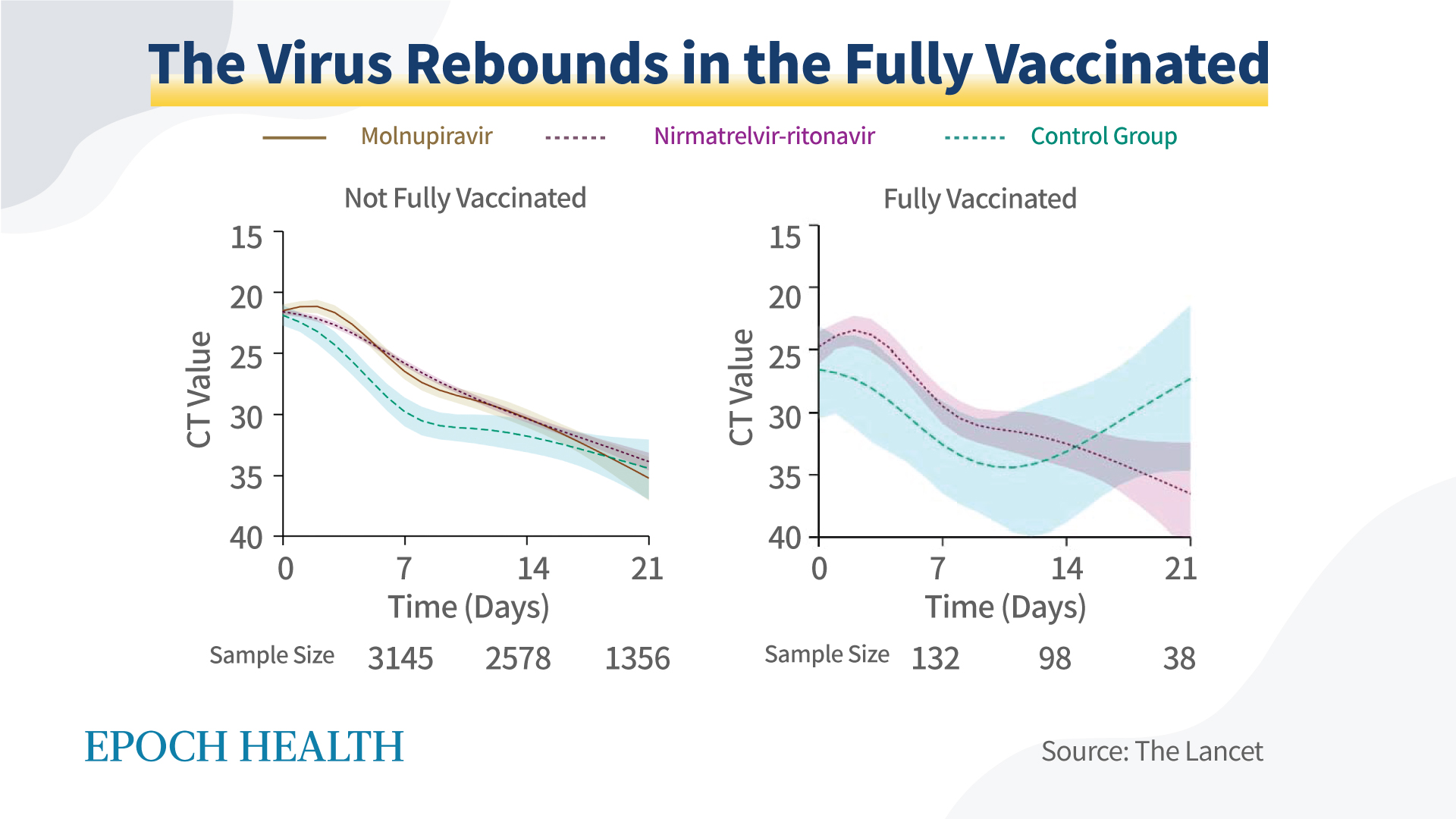
Antivirals commonly used to treat COVID, such as Paxlovid developed by Pfizer or molnupiravir, inhibit the virus in one way or another to help our own immune systems ward off infection. However, the Hong Kong study published in The Lancet shows that there has been a significant viral rebound after antiviral treatment was administered among the fully vaccinated.

Epoch Times Photo
Figure 5. An extreme viral rebound is observed within the fully vaccinated 10 days after antiviral treatment. (The Epoch Times)

On one hand, Paxlovid is a rather successful drug in terms of its ability to help against COVID-19 in patients who are not fully vaccinated. However, its effect against the disease seems to be drastically impaired in individuals who are fully vaccinated. The virus effectively rebounds after about 10 days post-treatment, meaning that the virus makes a comeback five days after the treatment series has ended.

Treatment with molnupiravir did not show a similar viral rebound problem, which is probably due to the differing mechanisms molnupiravir uses to inhibit viruses. While Paxlovid targets the viral protease, it is not as effective as molnupiravir in inhibiting viral replication. In this study, the full vaccination standard was achieved by administering either two doses of mRNA vaccines or three doses of the Chinese Sinovac vaccines. But how does vaccination affect the viral rebound after antiviral treatment?

Full vaccination seems to exhaust the immune system, making viral clearance not as effective as needed. Therefore, in the study, when the antiviral treatment ended and the viral load rebounded, it could be an indication that those individuals did not manage the virus as effectively as possible.

What is the message that nature is trying to tell us with this pandemic? COVID-19 has disrupted the world for the past few years and a tremendous number of people have been severely affected by it. However, these methods of intervention that agencies have employed seem to have rather limited effects.

As the pandemic winds down, it is time to look back on what has motivated these prevention measures and analyze whether they were really executed in our best interest. Are our manmade methods really a force that can match those of Mother Nature?

One clear picture here is that we humans need to stay humble and accept the limitations of our knowledge. We can never develop egotism like the Chinese Communist Party that boasted its victory against the virus via implementing extreme zero-COVID policies.

We did not defeat the pandemic, nor did we defeat the virus. We are under God's mercy to survive the pandemic.

Views expressed in this article are the opinions of the author and do not necessarily reflect the views of The Epoch Times. Epoch Health welcomes professional discussion and friendly debate. To submit an opinion piece, please follow these guidelines and submit through our form here.


~A.